




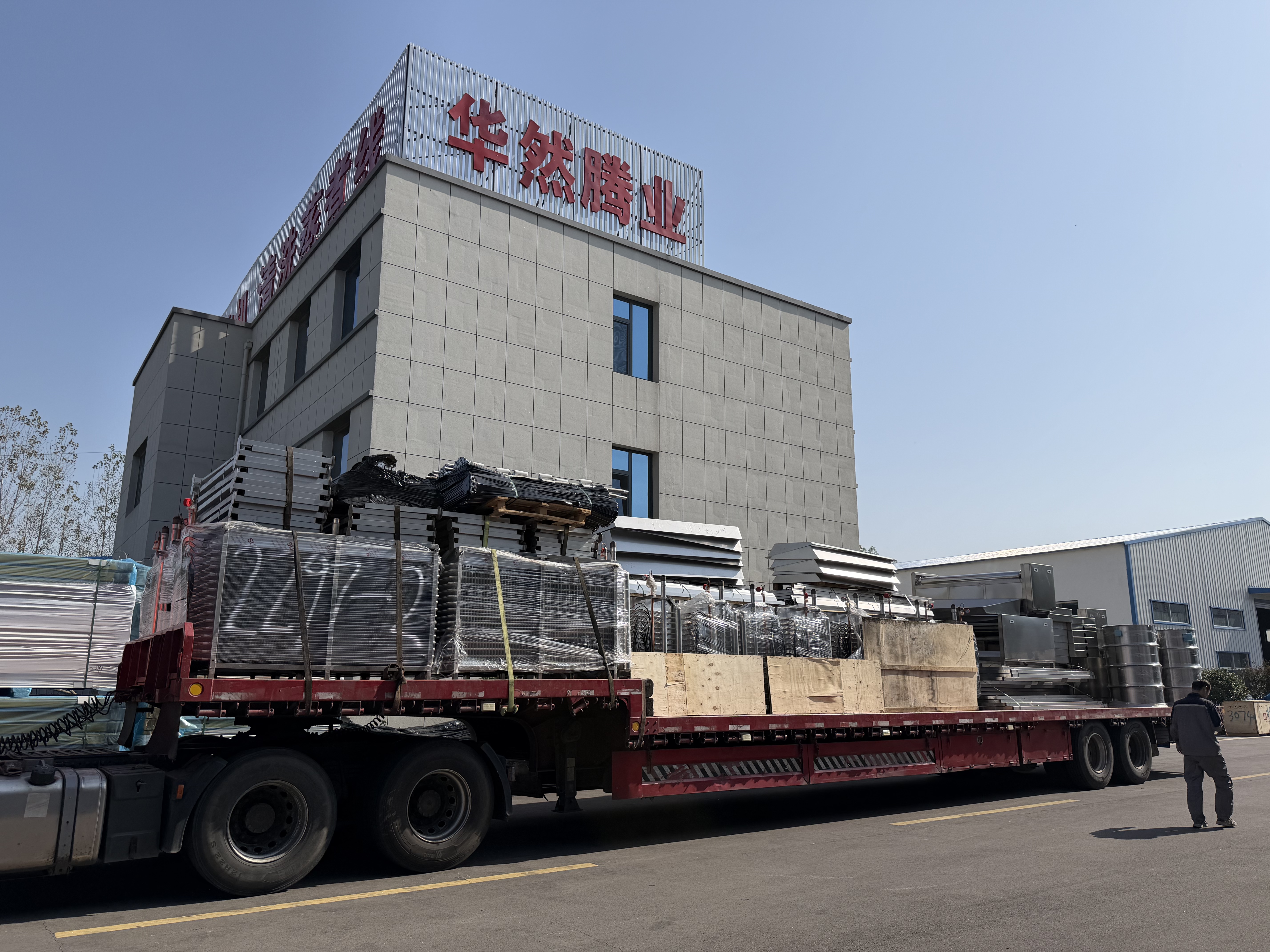
Two Tunnel-Type Quick-Freezing Units Shipped: Freon-Based Systems Facilitate Rapid Freezing of Fried Foods
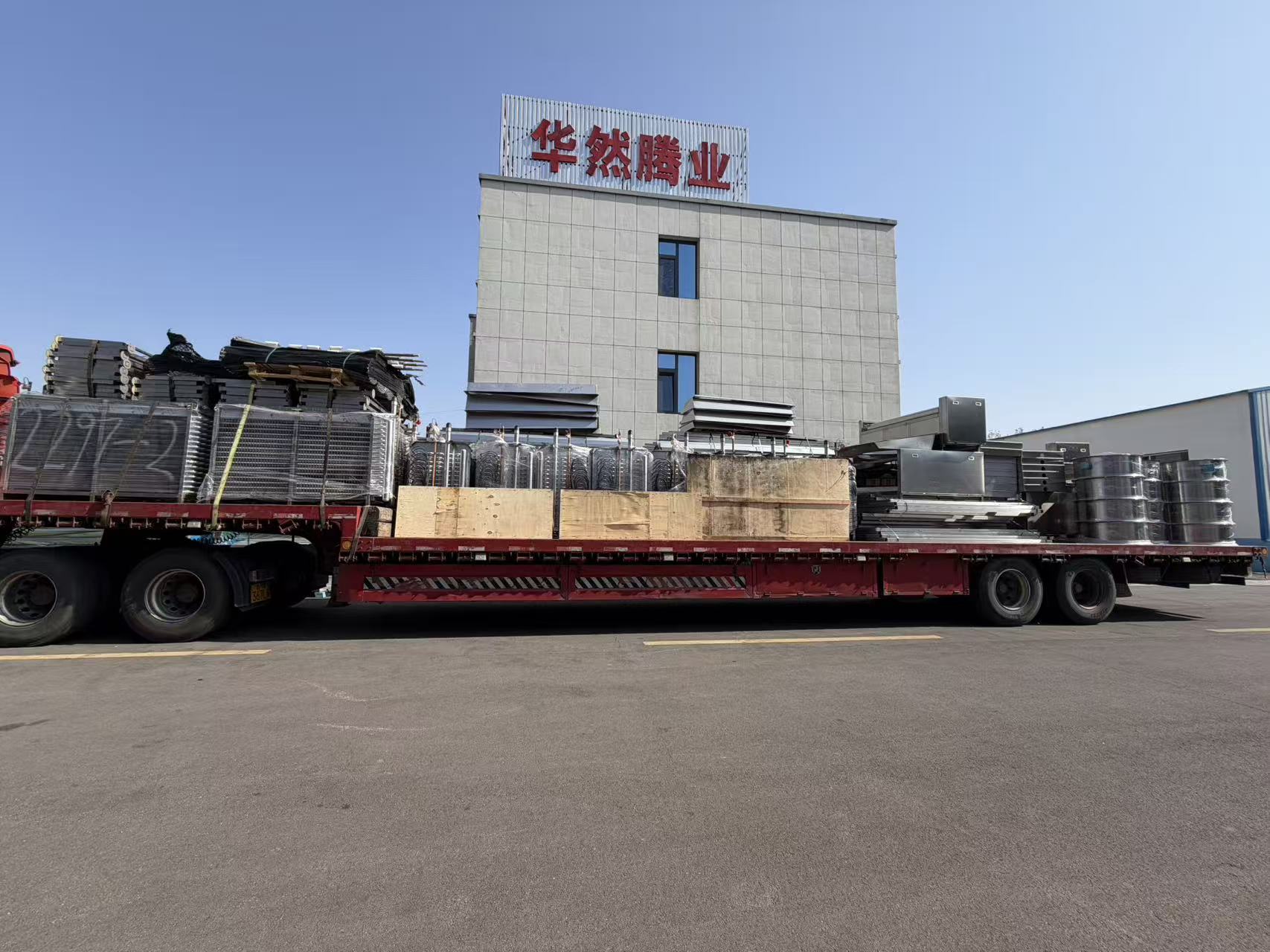
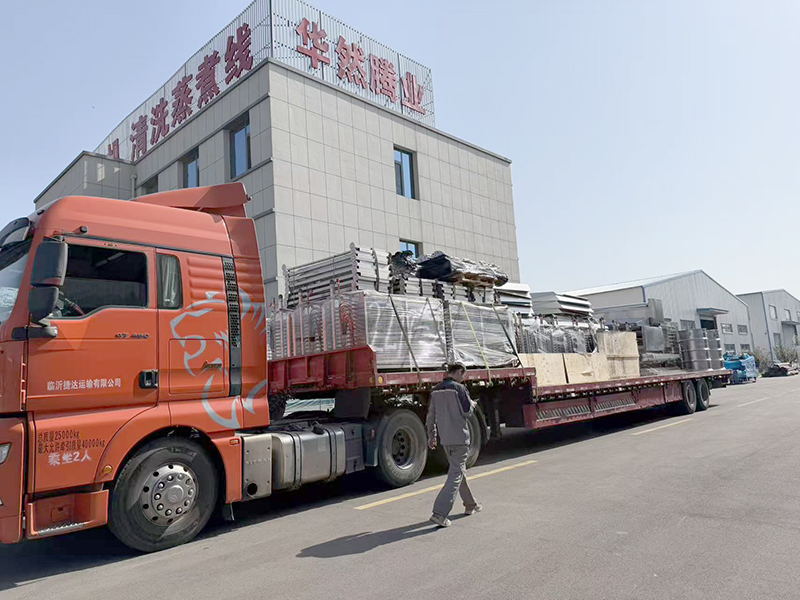
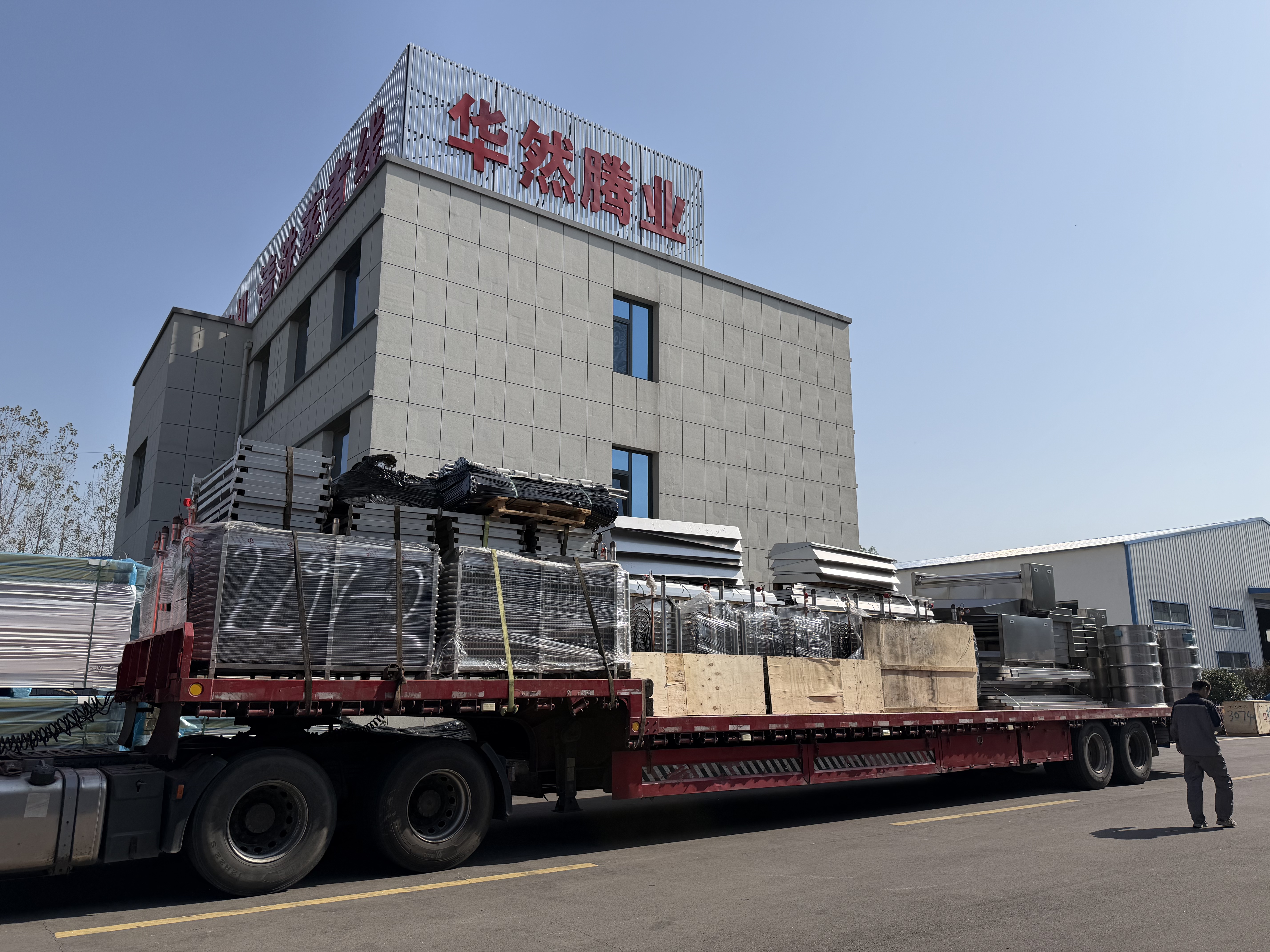
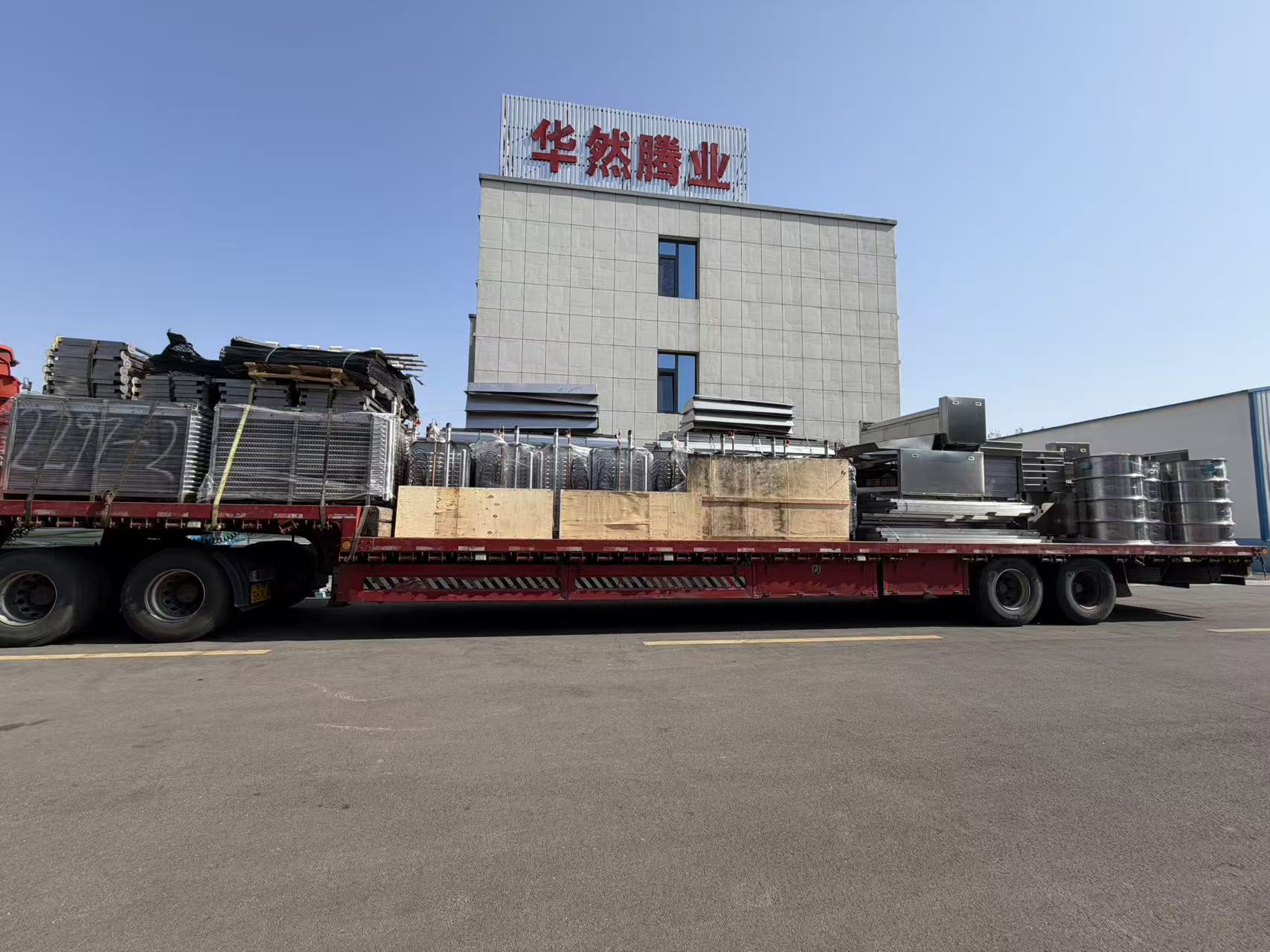
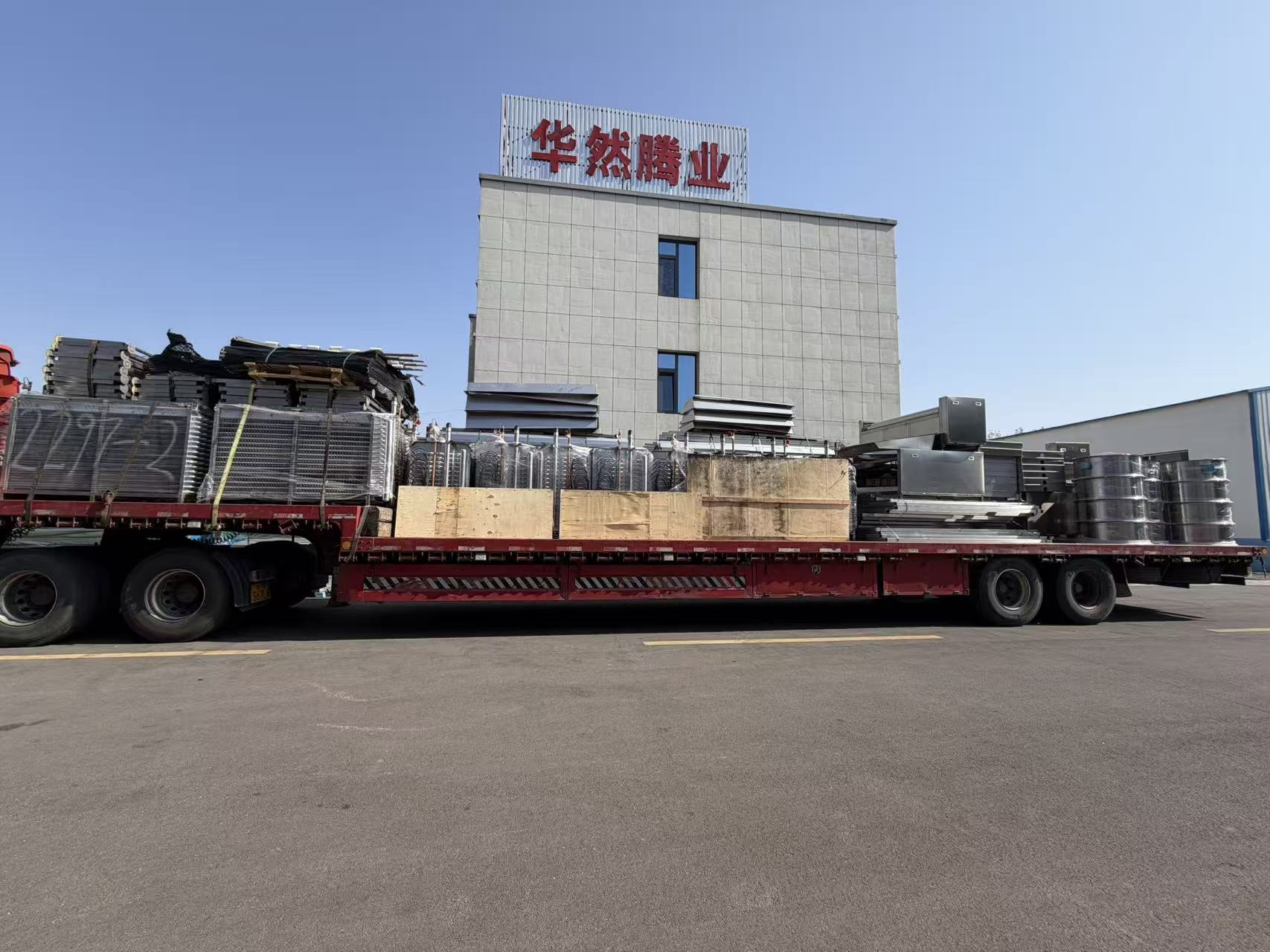
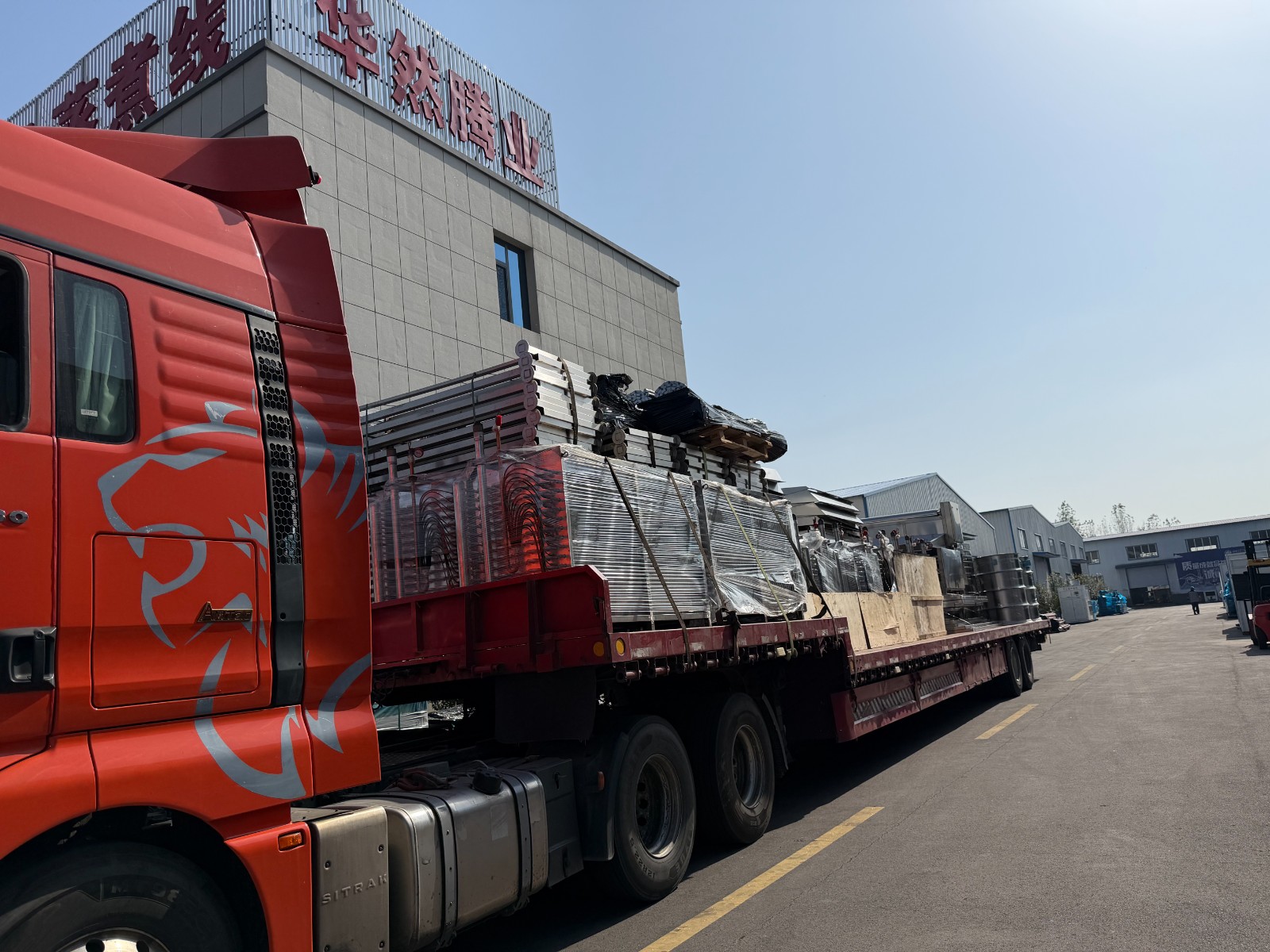
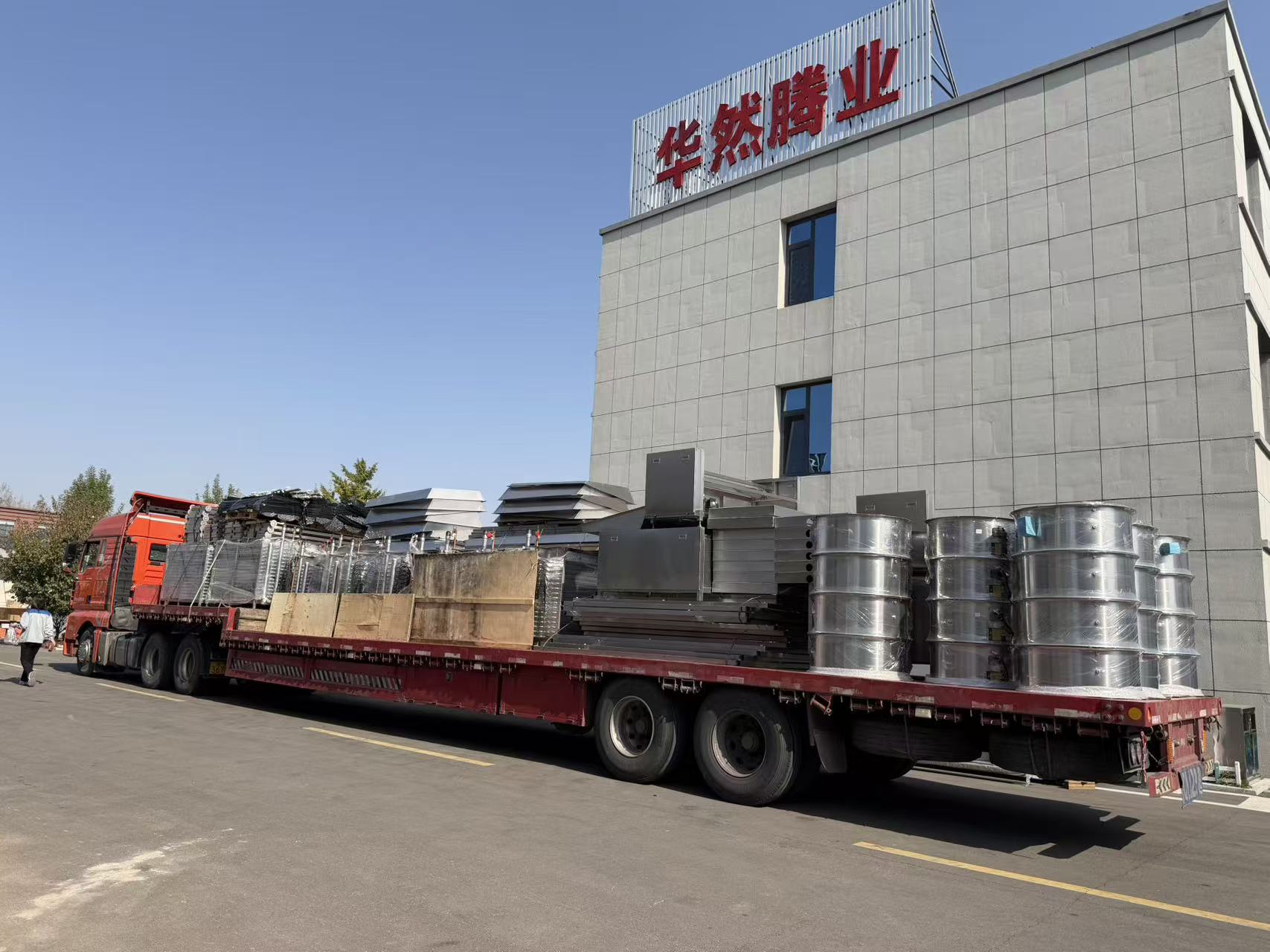
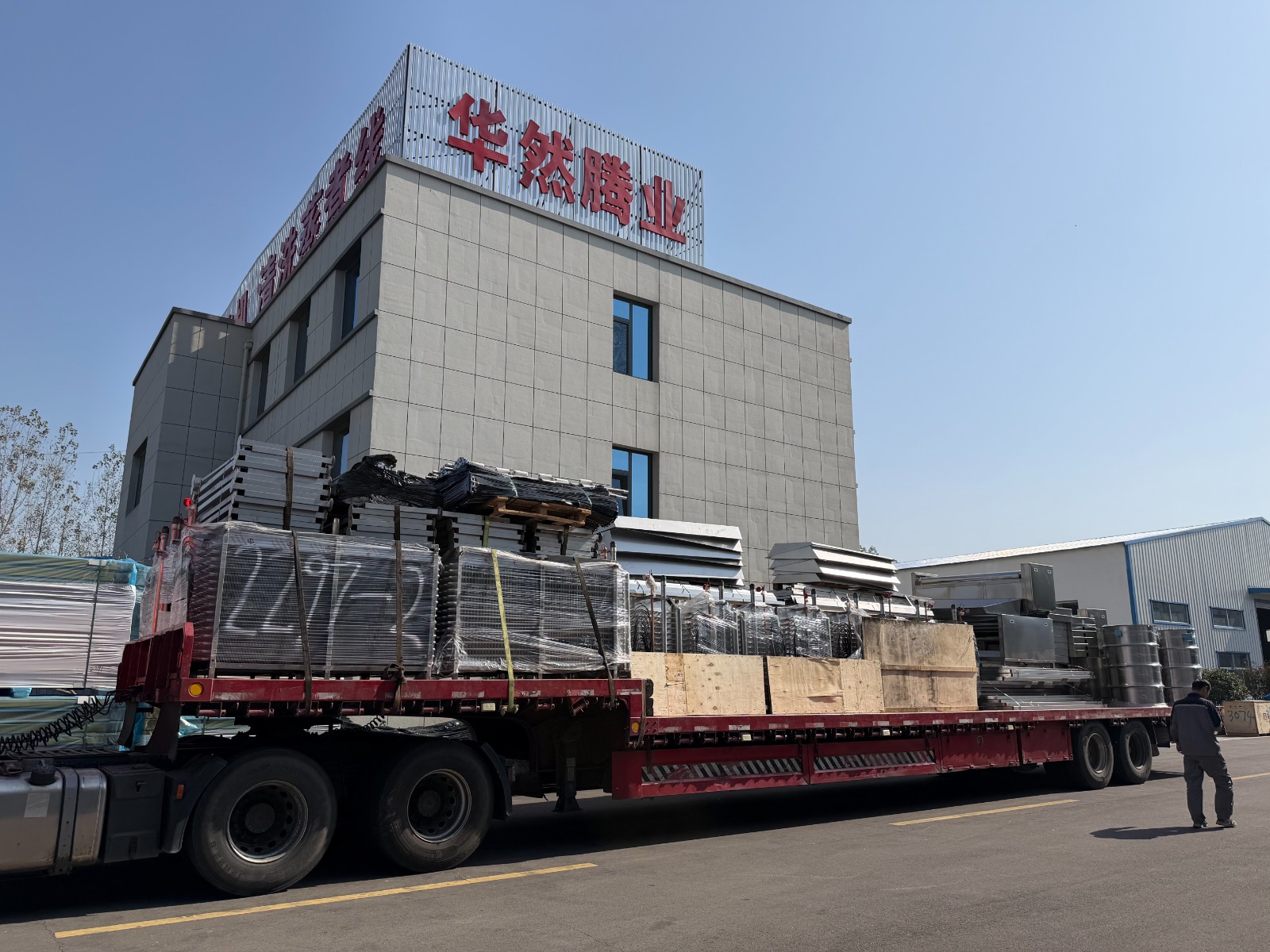
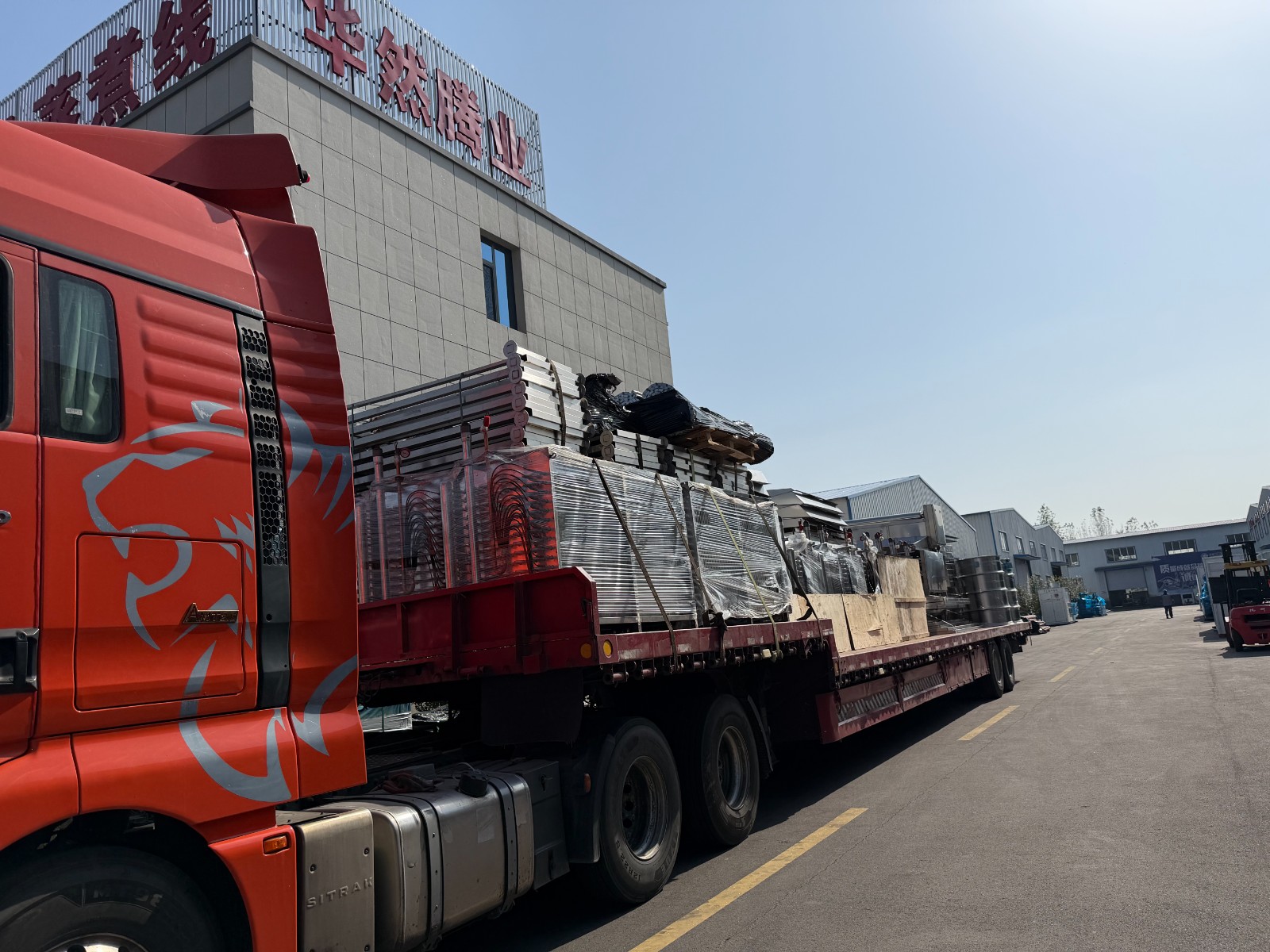
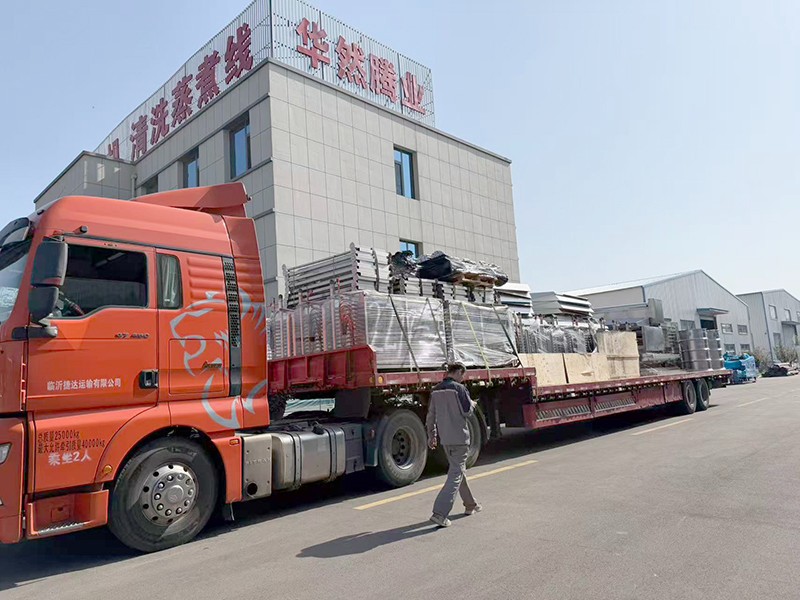
Recently, two tunnel-type quick-freezing units completed comprehensive testing at the manufacturer’s production facility and have been dispatched for delivery. These units are designed for the rapid freezing of fried food products. Tailored to meet the demands for continuous, large-scale processing, these tunnel freezers utilize a Freon-based refrigeration system—the latest in a series of specialized solutions delivered by the manufacturer for the fried-food freezing sector. As processors of fried foods—ranging from flour-based products and meat items to ready-to-cook prepared meals—increasingly prioritize high-quality freezing, there is growing focus on the selection and integration of specialized equipment, such as tunnel freezers and Freon-based freezing systems.
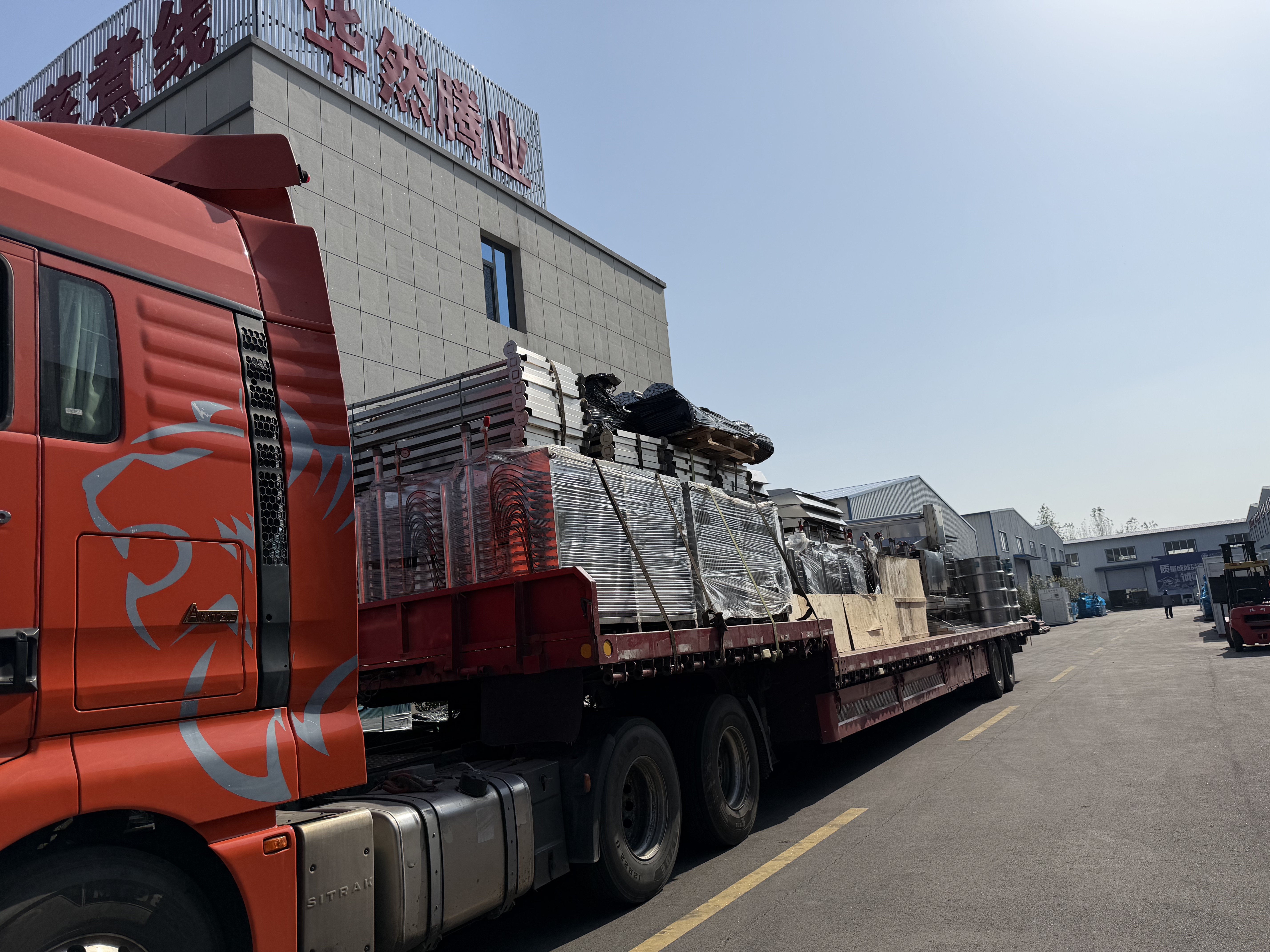
Addressing Key Challenges in Freezing Fried Foods: Enhanced Rapid-Freezing Capabilities
Fried foods typically feature a crispy outer layer alongside internal moisture. If the freezing process is too slow, large ice crystals can form, leading to issues such as the outer coating detaching during subsequent re-frying, loss of internal juices, and a soft, unappealing texture. The tunnel freezers shipped in this batch feature an enclosed, low-temperature tunnel design combined with a high-velocity circulating airflow system. As products move steadily along the conveyor belt, they pass rapidly through the "zone of maximum ice crystal formation." This ensures the creation of only tiny ice crystals, which minimizes damage to the food's cellular structure and prevents the loss of natural juices. To accommodate the diverse shapes and sizes of fried foods, the units feature variable-frequency drive (VFD) controls to adjust freezing duration. Coupled with an impingement-style air supply and longitudinal air circulation channels, this ensures uniform freezing for a variety of items, including chicken nuggets, fried patties, and crispy battered meat strips. By striking an optimal balance between freezing efficiency and the preservation of texture for re-frying, these tunnel freezers provide essential, continuous-production support for the rapid freezing of fried foods.
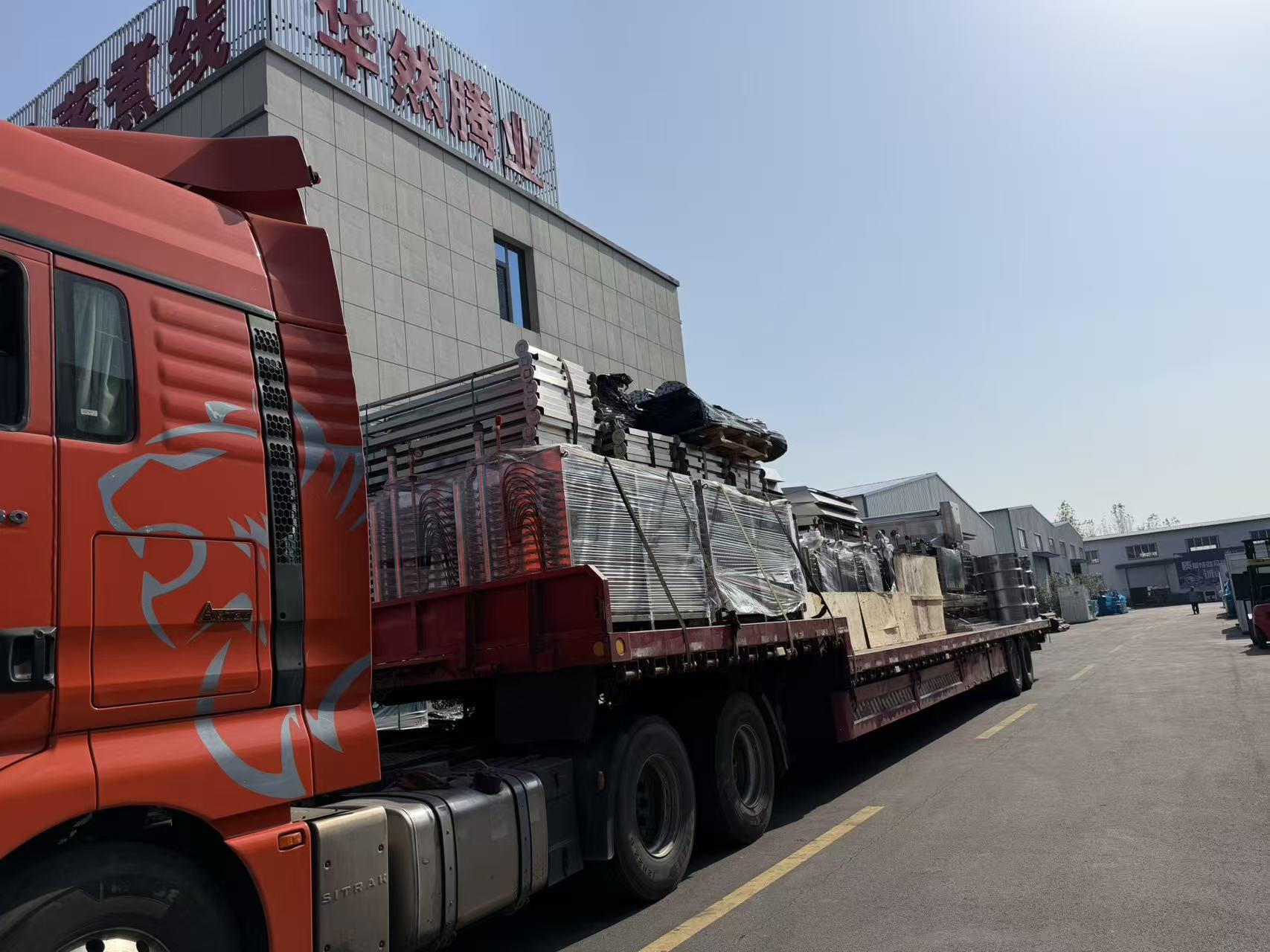
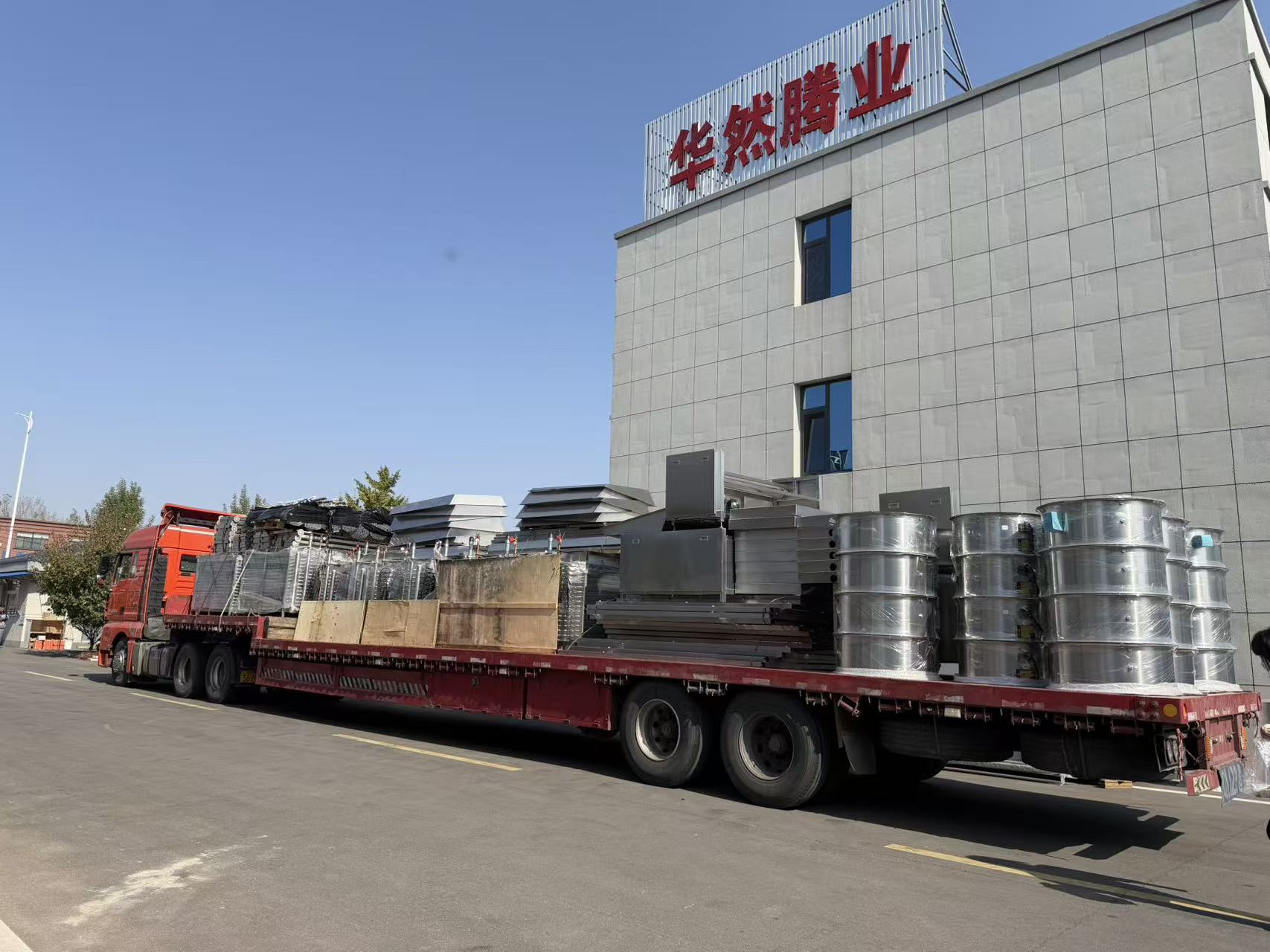
Freon-Based Freezing Solutions: Supporting Continuous Production with Efficiency and Cost-Effectiveness
In the industrial-scale freezing of fried foods, the choice of refrigeration system directly impacts the operational cost per ton of finished product. While liquid nitrogen flash-freezing offers high speeds, the continuous consumption of the refrigerant drives up operating costs. In contrast, Freon-based flash-freezers utilize a compressor refrigeration system; they do not require regular refrigerant replenishment, with ongoing operational costs primarily limited to electricity consumption. Consequently, they offer a distinct long-term cost advantage for high-volume, continuous production environments. The two Freon-based flash-freezers shipped in this instance use Freon as the refrigerant. Through a system comprising compressors, evaporators, and circulating air systems, they generate an ultra-low-temperature airflow that delivers intense, continuous cooling to the surface of fried food products. This facilitates a seamless transition from the frying line to the flash-freezing tunnel, supporting continuous, uninterrupted operations. For fried food production lines characterized by long operating hours and multiple consecutive shifts, Freon-based flash-freezers provide an optimal balance between freezing capacity, operational economy, and ease of maintenance—making them a preferred solution promoted by manufacturers for fried-food flash-freezing projects.
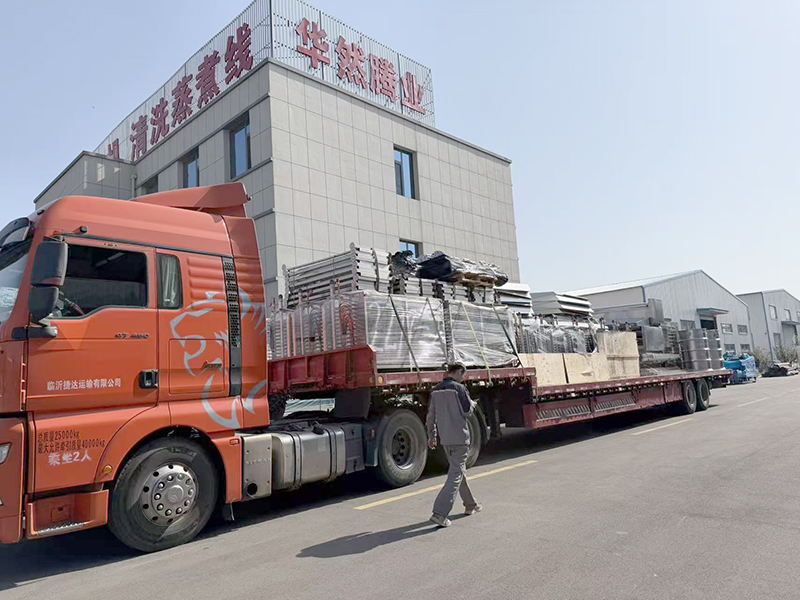
Customized Manufacturing and Turnkey Delivery Minimize On-Site Integration Challenges
The successful shipment of these two tunnel-type flash-freezers underscores the manufacturer’s engineering and customization capabilities within the specialized sector of fried-food flash-freezing. Given the diverse forms of fried food, the equipment is tailored to specific needs: flat products (such as various types of pancakes or patties) are supported by solid conveyor belts, while block-shaped or strip-shaped items are better suited for mesh-belt conveyors, which incorporate variable-frequency drive (VFD) controls to precisely regulate freezing duration. At the factory, these tunnel freezers underwent comprehensive testing and calibration—covering mesh-belt width, airflow distribution, thermal insulation, and electrical control systems. The units feature insulated enclosures constructed with high-pressure polyurethane foam sandwiched between stainless steel sheets, paired with food-grade stainless steel mesh belts; this design ensures both superior thermal insulation and ease of cleaning, in full compliance with food processing hygiene standards. By integrating the entire system—from the infeed section and insulated enclosure to the drive mechanism, evaporators, and refrigeration source—the equipment is ready for rapid integration into the client’s production line and subsequent trial operation upon arrival. By delivering a complete, pre-tested system and providing on-site commissioning support, the manufacturer eliminates the compatibility issues and integration hurdles often associated with assembling components from multiple suppliers, thereby ensuring the stable and reliable operation of the flash-freezing equipment. Demand for deep-fried food quick-freezing equipment continues to grow, with a shift toward prioritizing overall efficiency in the selection of tunnel-type freezing systems. Driven by the centralization of the prepared-dish (pre-made meal) and foodservice supply chain, the demand for equipment designed to quick-freeze deep-fried foods is on the rise. For large-scale production lines with a daily output exceeding 5 tons, tunnel-type quick-freezers remain the preferred choice for continuous production, thanks to their capacity for high-volume, centralized freezing and their controllable energy consumption per unit. The industry’s selection criteria are evolving: the focus has shifted from merely "getting the product frozen" to achieving faster freezing, greater energy efficiency, and superior texture upon reheating. The recent delivery of two tunnel-type quick-freezing systems not only addresses the need for rapid freezing of deep-fried foods but also highlights an industry trend: manufacturers are increasingly seeking an optimal balance between specialized process capabilities and the total cost of ownership over the equipment's entire lifecycle. As food processors—producing items such as flour-based products, meat products, and ready-to-cook prepared meals—demand higher quality in their frozen goods, tunnel-type freezers (including Freon-based systems) and specialized solutions for deep-fried foods are set to see wider adoption across continuous production lines. Consequently, equipment manufacturers will continue to refine their capabilities in delivering complete, customized solutions tailored specifically to the requirements of the deep-fried food freezing sector.
About the Author

Lily Shi
Sales Manager & Food Processing Consultant
Lily specializes in industrial freezing solutions for the frozen food industry. With deep technical knowledge in heat transfer and freezing processes, she helps global buyers optimize production capacity through custom-engineered spiral freezers and freezing tunnels.
Connect with Lily on
[[LinkedIn]-https://www.linkedin.com/feed/]
[WhatsApp+86151 6561 0022]
[Email-lily@tunnelfreezer-hrty.com]
