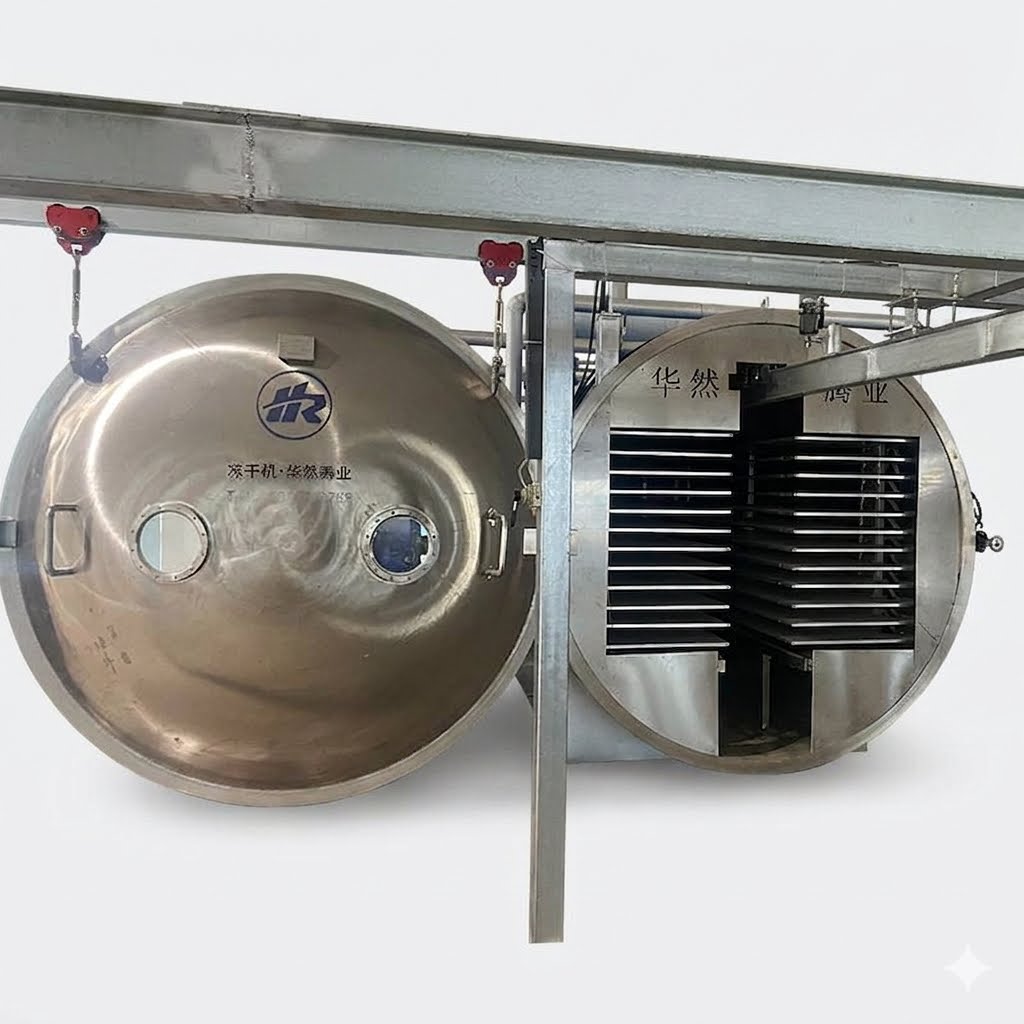
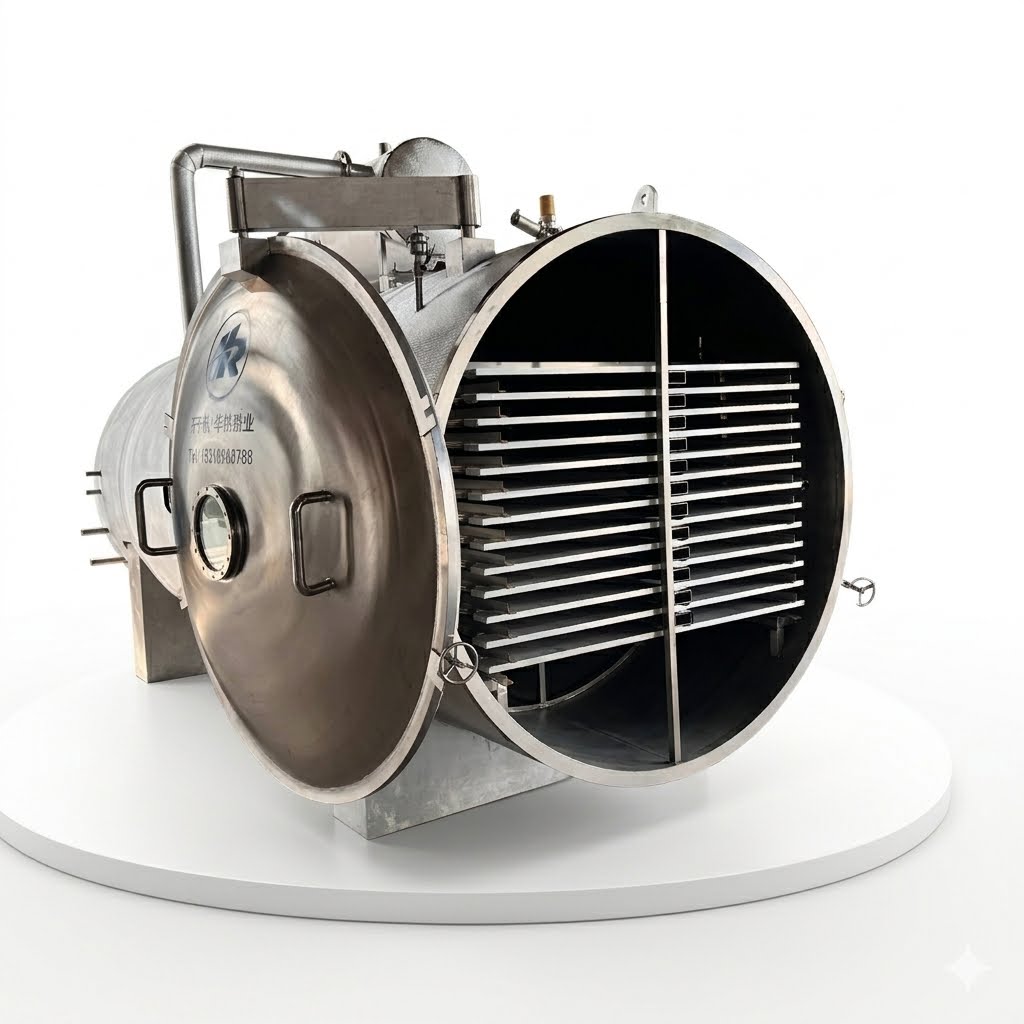
Product features:
The biggest difference between freeze-drying cheese and conventional hot-air drying is that the freeze-drying process entails the sublimation of "ice → gas", and thus the main features like nutrition and shape of the products are retained, while the drying process refers to the evaporation of water into gas. High-temperature drying (60-80 ℃) will seriously damage vitamins, and even denaturing proteins will be easier.
For taste and flavor: it is a sponge-like, lightweight, and crunchy texture produced by freeze-drying that melts in the mouth with a high flavor recovery rate. Typically, the product after drying is tougher, burnt, or oily, and it can result in an unpleasant taste if the product gets burned at a high temperature.In one word: Go for freeze-drying technology if you aim to manufacture high-quality, high-value-added products that are going to be sold abroad.
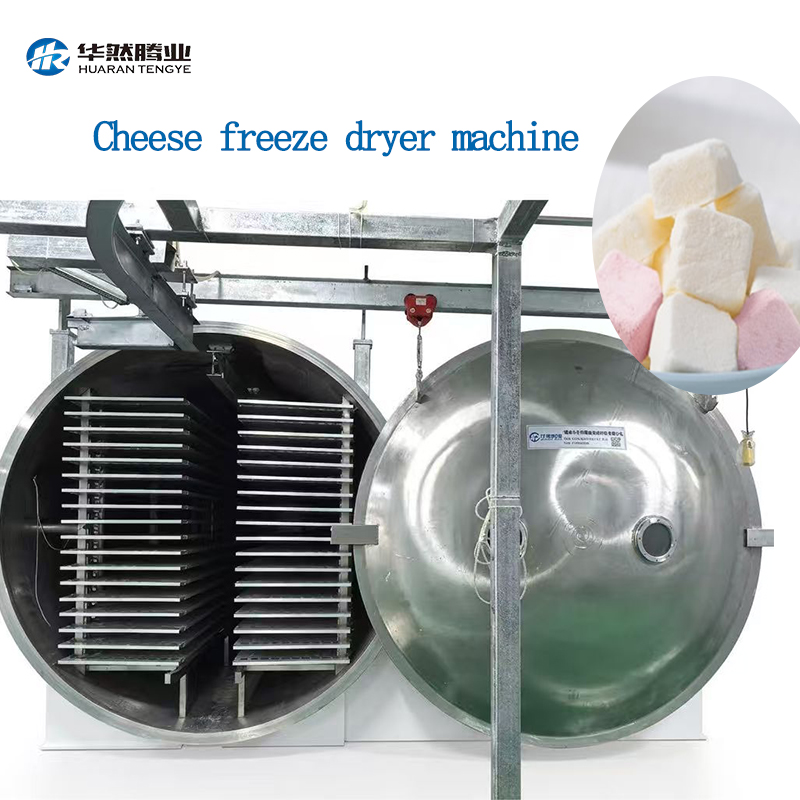
By using freeze-drying, the moisture content is drawn out to 95–99%. The tiny holes or pores in the cheese are left untouched to ensure quicker rehydration and longer storage life, all while eliminating the necessity of putting it into a refrigerator.
Freeze-Dried vs Dehydrated Cheese
| Feature | Freeze-Dried Cheese | Dehydrated (Oven-Dried) Cheese |
| Process | Then the ice is frozen, and water is separated by sublimation in a vacuum. | Used warm air circulation to dry out the surface |
| Temperature | Cold (usually lower than room temperature) | Higher temperatures (for example, 43-52°C/110-125°F) |
| Texture | Porous, crunchy, and lightweight. Mostly rehydrates well | Dense, tough, with a slightly chewy texture; if overcooked, it will get rubbery and dry |
| Flavor/Nutrition | Very good flavor, color, and nutrient retention with minimum heat. | More loss of volatile flavor compounds and nutritional content; possible denaturation of proteins |
| Appearance | Lends itself very well to its original shape and color | Could reduce in size, become darker, or be affected by case hardening |
| Cost & Speed | Unusually slow and exceptionally high in cost. | Fast and highly affordable |
Freeze-drying gives you a product with high quality and a crunchy texture close to the flavor of the fresh cheese.
If you want a less expensive and faster method of drying food, hot-air drying will suit your purposes. However, food products of such method will be quite difficult to bite, and the taste will be modified.
Freeze-dried food, on the other hand, is a light and crispy delicacy that dissolves in the mouth.
Dehydrated: A very condensed and hard texture that requires extensive chewing effort.
Key Features
Feature | Specification |
Drying Technology | Vacuum sublimation below triple point |
Processing Temperature | Shelf temperature: from room temperature up to +120°C;Condenser:≤ -65°C (captures water vapor efficiently at sublimation phase) |
Vacuum Level | 10–50 Pa (sublimation phase) |
Control System | PLC with touchscreen interface, recipe storage, data logging |
Heating Medium | Water, oil |
Refrigerant | R404A / R507 |
Defrosting Method | Water spray / automatic alternating defrost |
Drying Time | 20–40 hours per batch (depends on cheese type, fat content, and slice thickness) |
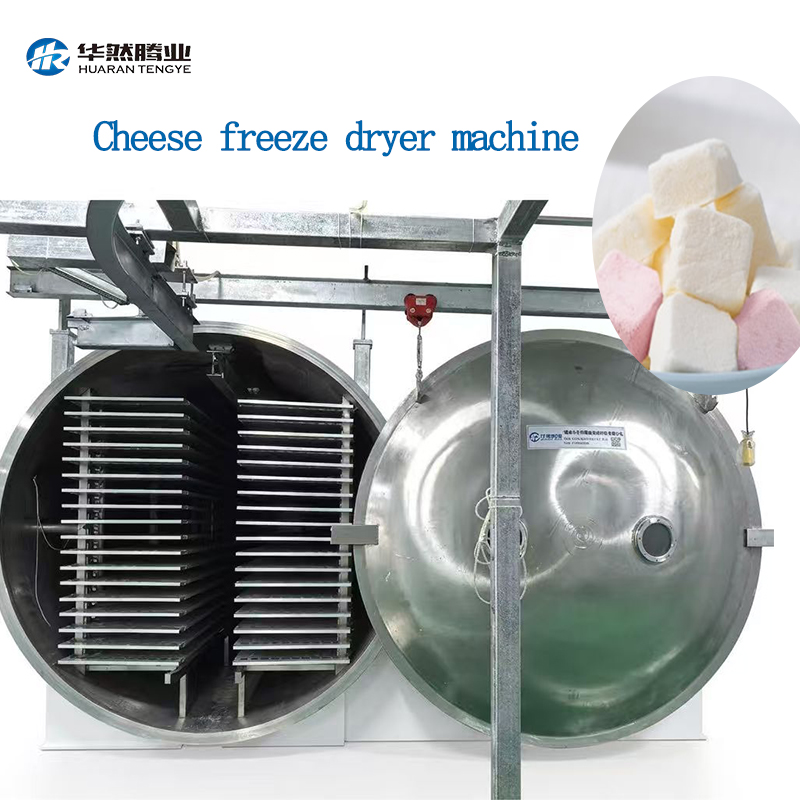
The FDG-CH series executes a three-stage lyophilization cycle optimized for cheese:
1st Freezing Stage: The cheese blocks or slices are cooled at controlled temperatures to -35°C and -40°C at a rate of about 0.5–1.5°C/min. The slower rate of freezing is a measure to prevent very large ice crystals that are known to ruin the cheese protein-fat matrix. The time the operation takes to finish is about 4–8 hours (depending on the thickness and fat content).
2nd Primary Drying (Sublimation): The chamber pressure is brought down to 10–50 Pa, and the shelf temperatures from -35°C to -10°C in steps are set. The critical thing to note is that if the temperature rises above that at which structural change (collapse) is initiated (Tc), the structure will collapse, resulting in unacceptable appearance and/or texture changes in the cheese product. Duration: 14–24 hours.
3rd Secondary Drying (Desorption): Under vacuum at a pressure of <10 Pa, the shelf temperature is increased to a range of temperatures that can be very effective and safe for the removal of water that is weakly bound to cheese proteins by surface dehydration such as raising the temperature between 45–55°C but for high-fat cheeses, lower temps (45–50°C) are advised so as not to cause the oxidation of the fat.
Duration: about 4--8 hours. On average, to fully dry a cheese will require 22 to 40 hours. It is largely up to the type and thickness of the cheese.
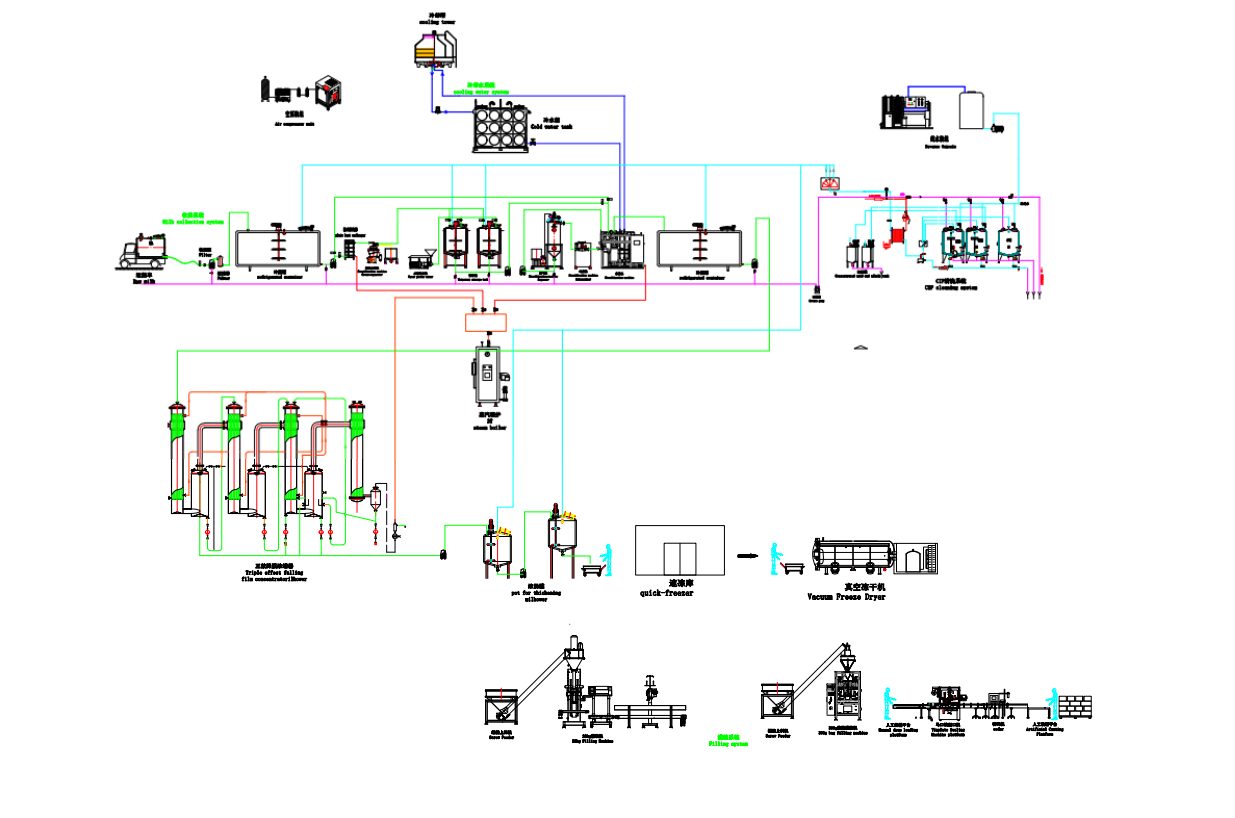
Why Freeze-Dry Cheese?
1
Extended Shelf Life
The product can be stored for a period of 12 months at normal room temperature without chilling requirement.
2
Nutritional Retention
Helps retain calcium, protein, phosphorus, zinc, and vitamins A and B12.
3
Natural Flavor
Preserves the original taste without the need to add anything
4
Versatile Applications
Eat this, drink that, snack, meal ingredients, seasoning, and others.
Smart Control System
PLC Control
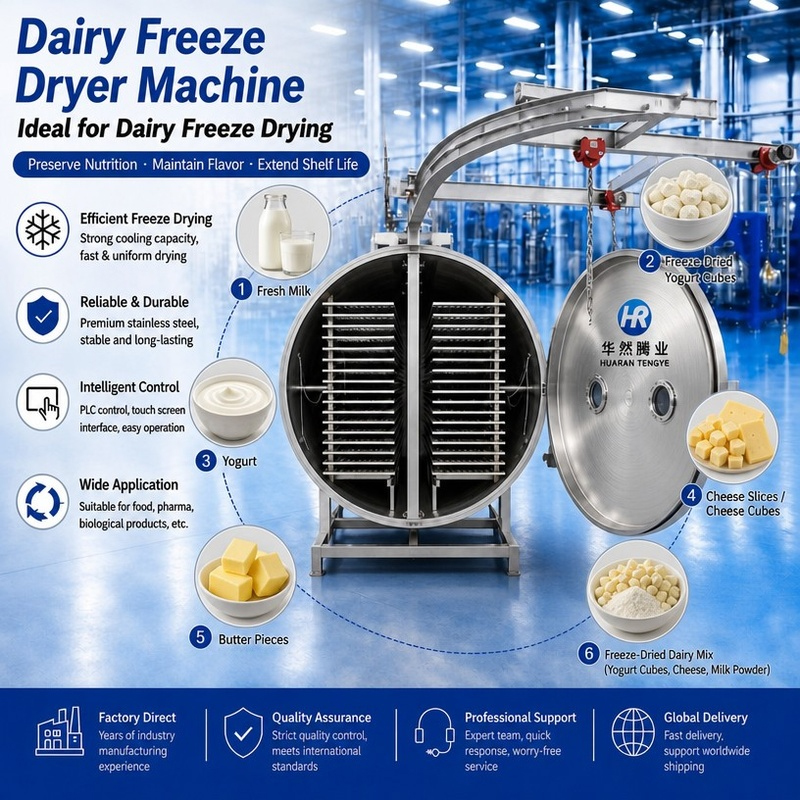
PLC Control: A Siemens PLC together with a touchscreen HMI will operate all stages — freezing, primary drying, secondary drying. Save up to 100 cheese recipes with a simple touch for repeatable results in each batch.
Data Logging
Data Logging: Temperature, vacuum, and pressure variations are visually represented over time with real-time graphs. These curves can be transferred via a USB/Ethernet connector to a computer in order to carry out quality audits and to confirm that the process parameters were correctly followed.
CIP/SIP Options
CIP/SIP Integration
Automatic Cleaning and Sterilization - Necessary for maintaining dairy hygiene,
- allergen management, and compliance for exports.
Saves you time by reducing the number of labor hours required and removes the hassle of manual disassembly - making sure that the quality of hygienic standards remains the same from one batch to another.
SCADA Integration
Along with GAMP compliance, the system has features that help you monitor from afar as well as transfer data in a very hassle-free way. Besides this, the system's capabilities enable complete control of cleaning operations via integration from one administrative unit, thus all the work is performed in accordance with the most stringent requirements of Good Automated Manufacturing Practice (GAMP).
The control system provides live data gathering as well as a control function. The system enables remote monitoring, where the control room personnel will have the facility to follow process indicators, verify cycle settings, and be immediately alerted in case of any violations of the protocols.
Applications
1
Snack Products
2
Food Ingredients
3
Seasonings
4
Nutritional Supplements
Contact Us
Have you ever felt the need to take your cheese processing up a notch? We are a few clicks away on your phone, offering you a product custom-made for your operation requirements.
About Us
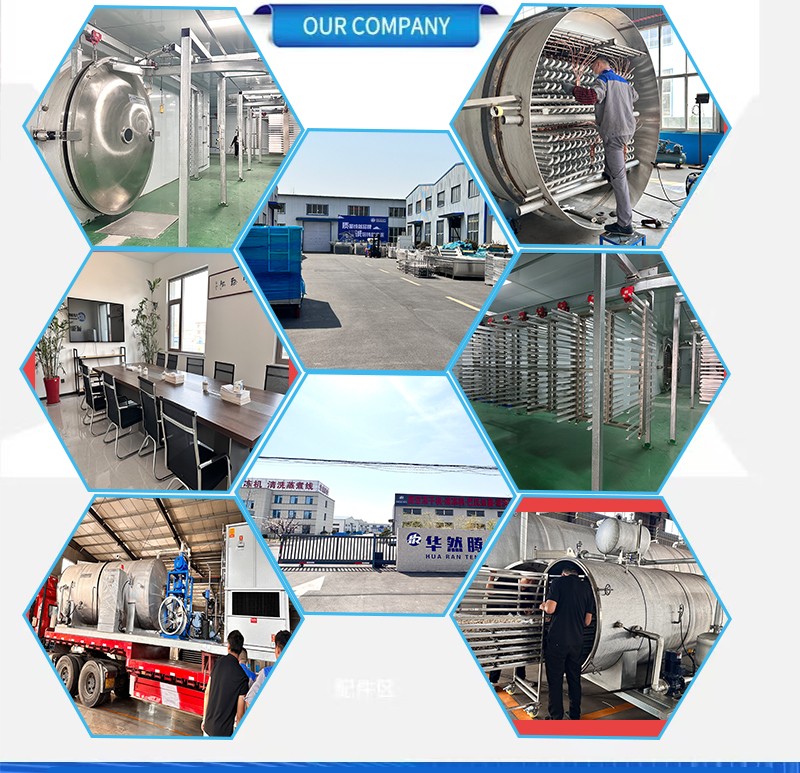
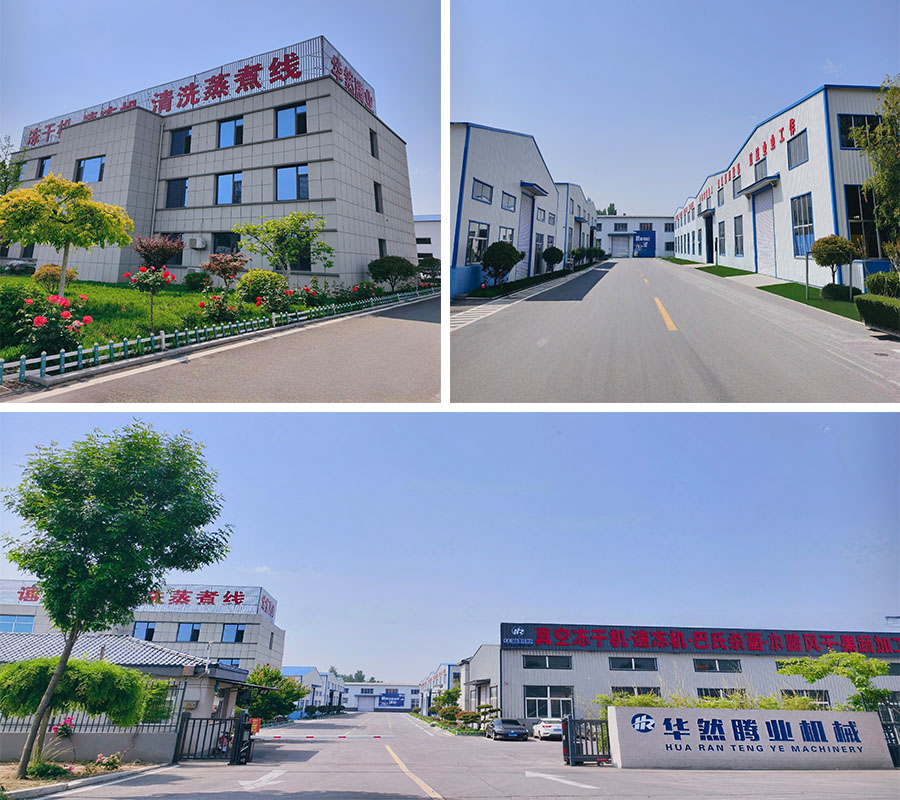
Year established: 2006 (19 years of experience)
Factory area: 18,000 m²
R&D team: 22 engineers
Production lines: 4 assembly lines
Annual capacity: 120+ units/year
Certifications: ISO 9001, ISO 14001, CE, ASME
Core component partners: Bitzer, Leybold/Edwards, Siemens, Emerson
Export markets: 40+ countries including USA, Germany, Japan, South Korea, Australia, Brazil
Units exported since 2010: 800+


FAQ
Q1: Is it possible to carry out processing of different kinds of cheese on one machine only?
The PLC stores up to 100 cheese-specific recipes. Cheddar, Mozzarella, and Cream Cheese each have distinct freezing curves and drying profiles — switch between types in minutes with consistent results.
Q2:How is fat oxidation prevented during freeze-drying?
Shelves are heated using a PID controller so temperature remains between 45–55°C during secondary drying, which is well below fat oxidation temperatures. Optionally, an inert gas like nitrogen is introduced after drying that will displace oxygen and thus allow the product to be stored for 12–24 months without any significant change.
Q3: Is it possible to work with both big pieces of cheese as a whole and sliced ones?
Yes. Adjustable shelves with clearance allow processing of cheese blocks (up to 50 mm), and slices (from 10 mm down). Different thicknesses demand different recipes, and both the different ingredients’ recipes and the cheese pieces’ ones are stored in the PLC and can be easily retrieved at any time.
Q4: Approximately, how long lasts shelf life of freeze-dried cheese?
The freeze-dried cheese packed in nitrogen-flushed, moisture-proof packaging such as aluminum foil bags has 12–24 months of shelf life at room temperatures. If kept in a fridge, freeze-dried cheese can be stored for up to 24–36 months.
Q5:How long does it take to get it delivered?
We ship the standard models within 45 working days (FDG-CH-0.5 to FDG-CH-50) and the large models within 45–60 working days (FDG-CH-75+). These periods do not cover the transport time.