Pain Point:
In the development and freezing of small, particulate food products - like peas, kernels, cubed vegetables, berries, prawns, minced meat -, conventional freezing approaches raise various longstanding issues.
We experience sticking after freezing where products transform into large pieces, which makes it tough to do downstream operations like packaging or dividing into the different portions. Inequality in freezing because of bad air and heat distribution means some parts of products could be well over the freezing point while others might still barely be solidified at the core. Also, due to the high-speed fluidization air that's needed, the energy requirement becomes really high so operating costs increase quite a bit as a consequence.
Cold conveyor surfaces in freezers often attract products brought in with their heat which leads up to clogging, icy growth on surfaces, and the need to defrost and restart quite regularly.
To start off with, product overblow is a common issue and that refers to the air stream being too powerful where a part of the very small or fragile bits of the product get blown away along with the air, as a result we not only lose that portion of the product but also the evaporation coils are tainted and consequently the cooling effectiveness is down.
In many situations, even though the dishes are heavy and their shape does not correspond with the fluidized conditions, they are still not brought into a fluidized stage at all. Which means that this restriction is going to be further limiting the applicability of the technique.
These are just the sorts of drawbacks that lead to increased running costs, lower efficiency of production, poor quality of the food, and more frequent breakdowns when production stops for maintenance.
Solution:
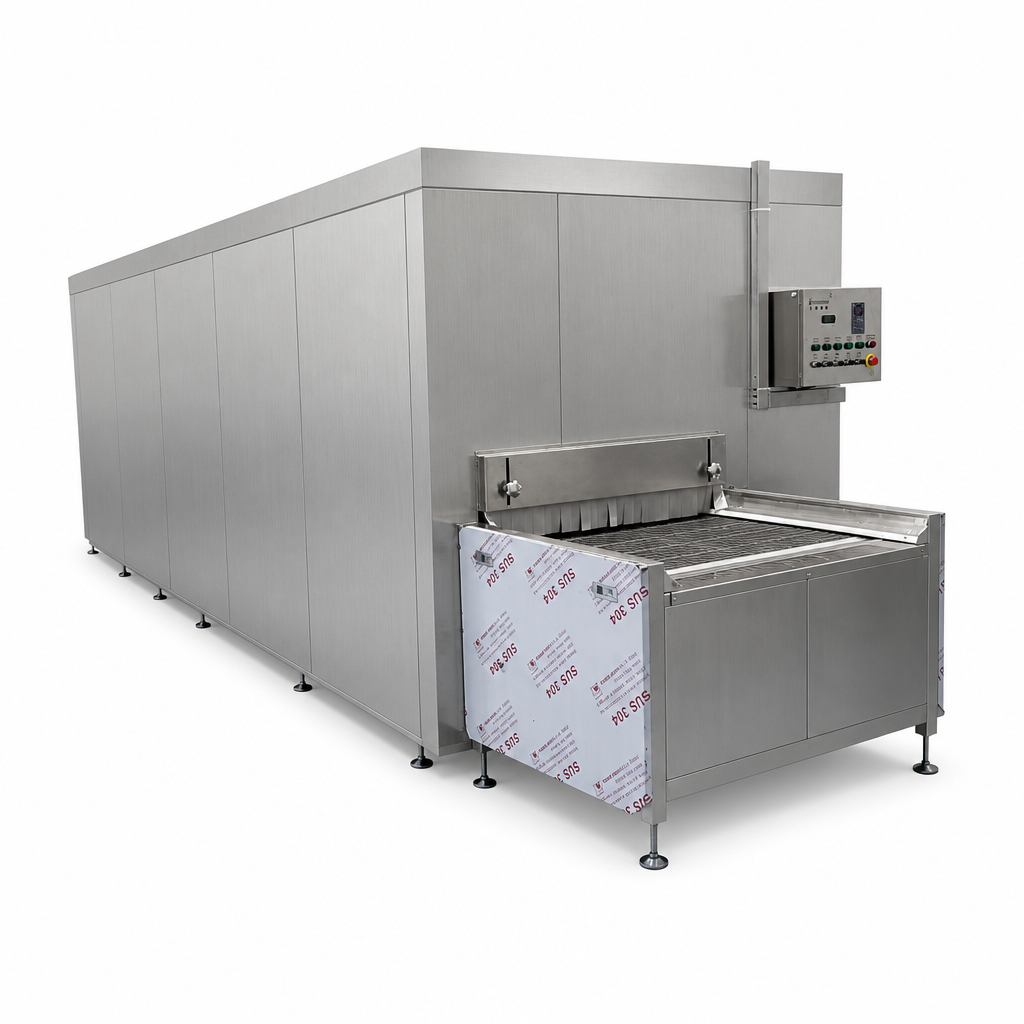
Our Fluidized Bed Freezer is a specialized solution that removes all such drawbacks through the IQF technology and precision airflow controls.
Individual Quick Freezing (IQF) – No More Blocking: High-speed upward air stream separates and suspends each item that the food particle comes along, allowing the product piece to get frozen individually without sticking to other units. The end result is a high-quality, loose, free-flowing product that can readily go on for packaging without manual breaking and hence cuts down labor hours,
Superior Heat Transfer – Fast, Uniform Freezing: High convective heat transfer coefficients, up to 30-60 W/m²K, provide efficient and homogeneous heat exchange. The product is constantly in contact with cold air and can be brought to core temperatures from +20°C to -18°C in minutes, not hours.
That ultra-rapid freezing method is great for maintaining the cellular structure, locking in the moisture, color, texture, and vitamins while at the same time minimizing the loss caused by evaporation.
Two-Stage Freezing – Prevents Moisture Losses and Clogging:
The first stage fluidizes the product intensely, thus freezing the surface immediately, to prevent adhesion and reduce the amount of moisture loss.
In the second stage, the deep freezing is completed in a fixed bed, so that the core freezing goes through thoroughly while the product remains as it is.
Optimized Airflow Design – High Energy Savings: CFD-designed air distributions achieve an even flow rate all around the bed, thereby getting rid of dead zones and blowup holes which can harm very thin items. Compared to conventional air-blast freezing systems without airflow optimization, our upgraded fan and evaporator design reduces power consumption by up to 60%. Power per kilogram unit is as little as 0.25 kWh, so you'll see significant savings when you factor all those operational benefits together.
Anti-Sticking & Anti-Clogging Solutions: Vibrators, pulse type, are used to stir the conveyor continuously in order to stop the sticking. In the case of warm product being put in, a heated zone would be provided first of all where the temperature can be kept up so that the product surface is dry and the product won't stick to the cold conveyor surface and thus minimize the deposition of food debris and ice accumulation.
The consequence of this is that you will have much longer continuous operation periods with the minimum frequency of defrostings.
 Management of Overblow Products – Maximizing Yield:
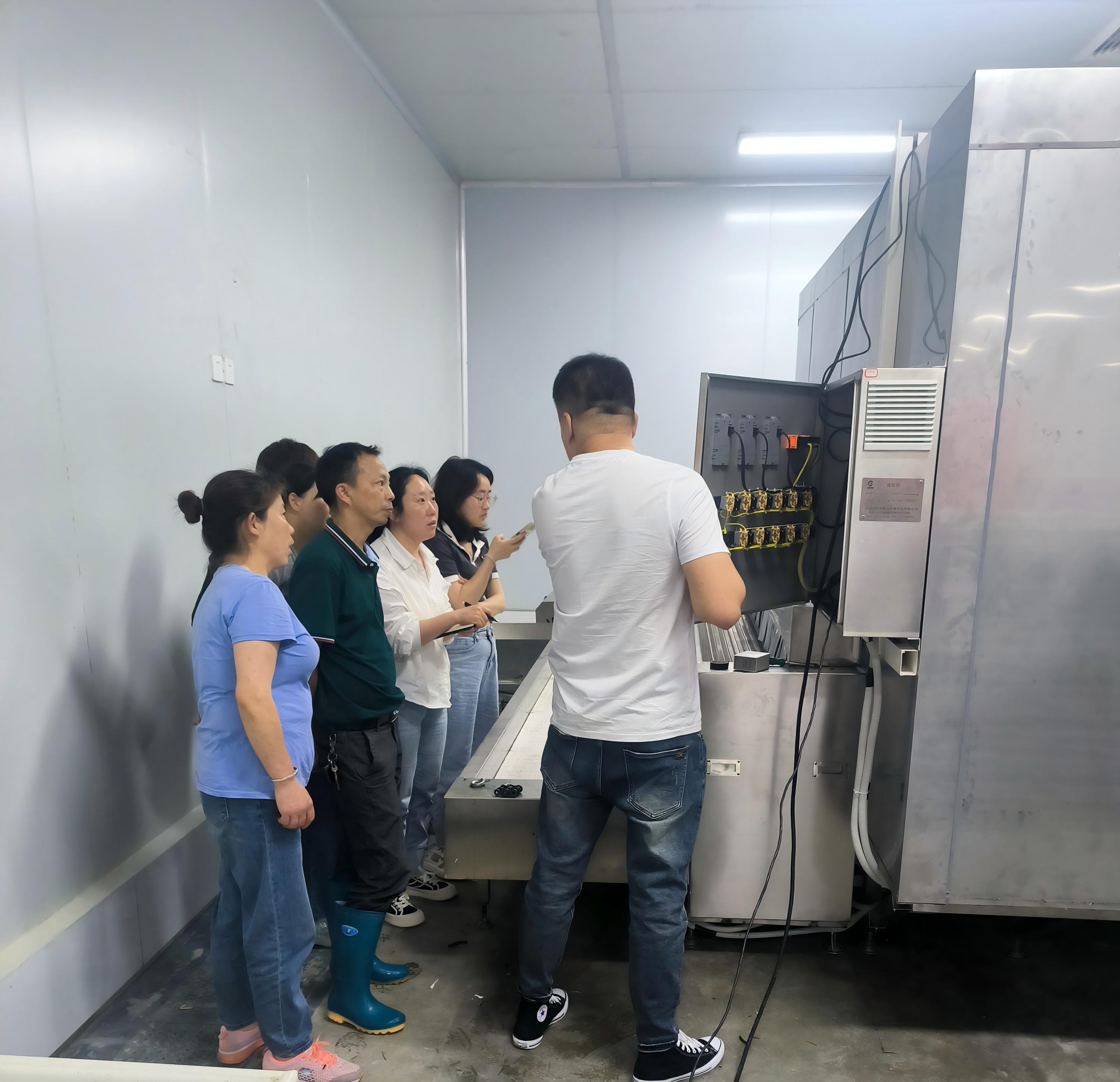
Clever airflow bypass systems together with deflector assemblies are used to keep lightweight materials in the freezing unit and not being blown away. In this way, losses due to the material's weight are prevented, and evaporative coils are kept clean. This way, there is always an efficient, stable cooling capacity without unexpected downtime.
Hygienic Design with an Easy-Cleaning System: All parts of the machine and belt of the mesh are fabricated in 304 stainless steel or food-grade materials in case of other components.
You will also have the opportunity for an additional CIP (clean in-place) automatic clean system which will help you maintain hygiene without the requirement to dismount parts of the system. This would definitely help a food business achieve its highest standards in hygiene and food safety.
Intelligent Control – Delivering Top Quality at Each Production:
Touch-screens and programable controls of PLC type give the operators possibility to preselect freezing cycles of various kinds of products. At the same moment the system provides an ongoing visual feedback of the process and alerts in case any fault takes place.
In a nutshell, this guarantees the same quality in each batch, and it limits man-made errors to the greatest extent possible.
Flexible Use – Handling Different Kinds of Food Items:
Be it the case when you are dealing with very light weight items, like peas, corn kernels, etc. to be put completely in the fluid zone or the other side of the spectrum where your target is heavier stuff of the same sort of food like meat pieces diced, mango chunks, and even okra to be processed in the semi-fluidized mode, our system can be reconfigured depending upon your requirements.
The system’s performance can handle up to a maximum rate of 5,000 kg per hour, and it is possible for it to scale even further when needed so that it remains a good fit for large-volume facilities.
The Result: Continuous operation with minimal downtime that provides excellent product qualities, better yield rates, lower energy consumption, reduced number of people employed, and so on, which altogether makes your freezing process not only more efficient but also profitable.
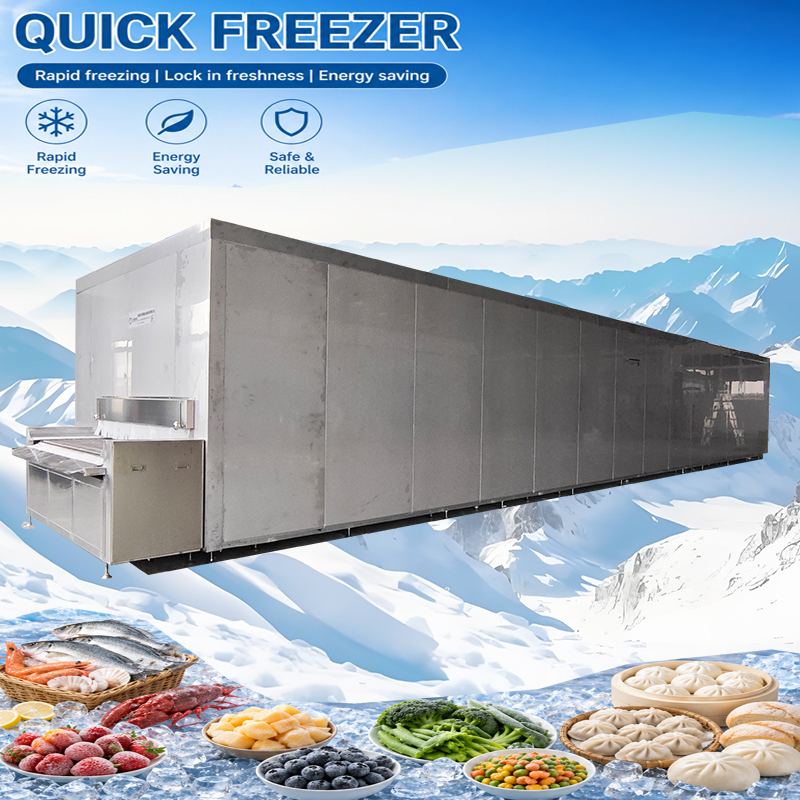
Fluidized Bed Freezer & cold storage
Here is a detailed comparison of a Fluidized Bed Freezer compared to traditional Cold Storage (Batch/Static Freezing), pointing out the advantages of the fluidized bed system.
1. Freezing - Minutes versus Hours
Cold storage remains the slowest among all freezing techniques, with a typical freezing time of 8 to 12 hours for a bunch of items. A fluidised bed freezing machine can do the same in just 8 to 10 minutes.
Such a sharp time reduction leads to a significant change in how ice crystals are formed, which helps the product's structure to remain intact and preserve its quality.
2. Product Quality - Individual Quick Freezing (IQF) vs. Solid Blocks
Cold storage causes the products to stick together as they freeze, resulting in hard lump blocks. Whereas, a fluidized bed system suspends the product pieces in a layer of very fast-moving air that causes each piece to be separated and thus a free-flowing IQF product is formed. This makes the product easy to handle, portion and package. The fruits and vegetables thus frozen display very minor tissue injuries, good looks and are quite consistent.
3. Continuous vs. Batch Freezing
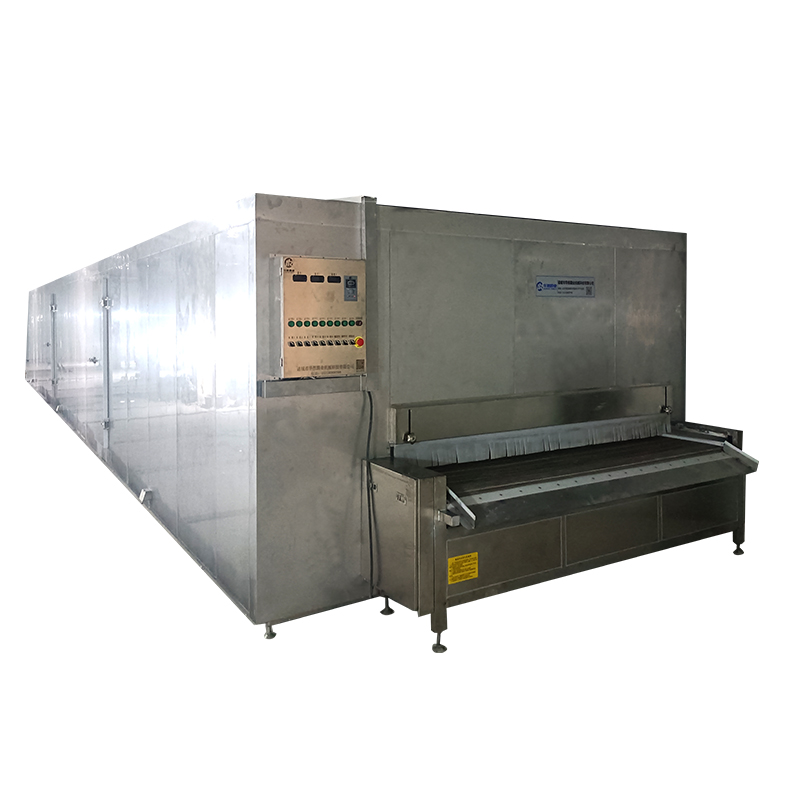
Cold storage is a batch process; that is, you load your products first, and then you freeze them, unload and then the cycle repeats. Whereas the fluidised bed freeze system is set up as a completely autonomous, continuous, one-line unit with production. The conveyor belt carries the product into the freezer where it freezes as it passes through the machine and gets transferred for the next operation; hence the freezing of batches is totally eliminated, and the productivity is significantly enhanced.
4. Energy usage - lower cost per kilogram
Though cold storage has a lower consumption per hour, it freezes for a very long time, thereby making its electricity cost per kilogram quite high. An IQF fluidized bed freeze consumes around 0.08 to 0.15 kWh per kilogram, while bulk blast freezing methods generally utilize 0.2 to 0.4 kWh per kilogram only. A fluidised bed freezer is the method of freezing which, among the commercial ones, uses the least amount of energy per day.
5. Product Dehydration and Weight Loss - Minimal vs. Significant
In cold storage, the long freezing time causes a big loss of water and the products become dry (freezer burn). The fluidised bed technique of fast freezing, combined with a secondary process of immediately forming a protective layer on the surface of the food item, greatly reduces the loss of moisture and retains the natural water. In terms of product dehydration, it is a significant decrease.
6. Floor Space - Compact vs. Expansive
You can only have a few things frozen at the cold storage because of the large freezing rooms, so it takes up an expensive amount of building space for storage and product racking. Fluidised bed freezers, on the contrary, offer comparatively compact equipment size for the quantity of freezing, with a design of a small tunnel having a high rate of freezing so that one could have a freezing capacity of up to 6 tonnes per hour on a quite confined area. The extremely fast freezing rates mean much less freezing time, which results in a significantly smaller floor space being needed to produce each unit of a product.
7. Labour needs-Automated vs Manual Intensive
Cold storage is highly dependent on manpower for all the loading and unloading of freezer racks or trolleys and manually transporting them to the next stage. A fluidised bed freezer is, without a shade of doubt, a totally automatic system with almost all the work being done by machines, i.e. the conveyor is carrying the food along the freeze section and no human handling takes place - this results in substantial cost savings and lessens chances of cross-contamination greatly.
8. Product Breakage - Low vs. High
Breakage of goods by cold storage system occurs due to the stacking of the products that leads to very rough handling of them, and as a result, they get damaged. On a fluidized bed cooler, products are "floating" around the space, and they are in contact with the air only, so there are practically no shocks between the products, and the product breakage rate is low.
9. Hygiene and Cleanliness
Cold storage refrigeration rooms can be very labor intensive to clean, particularly as you have many corners and places that are so difficult to get to and therefore it is also difficult to ensure the full level of hygiene there. The fluidised bed freezer unit is of stainless steel construction, and the design of the machine is such that there are almost no places or corners that are difficult to reach; hence, a great degree of sanitation can be guaranteed at all times without having to dismantle any equipment. In addition, the equipment is equipped with CIP (Clean-in-Place) systems that facilitate clean-up operations, and the system has been thoroughly sanitized to meet the standards of food safety that are highest in the industry.
10. Handling of Particulate Items
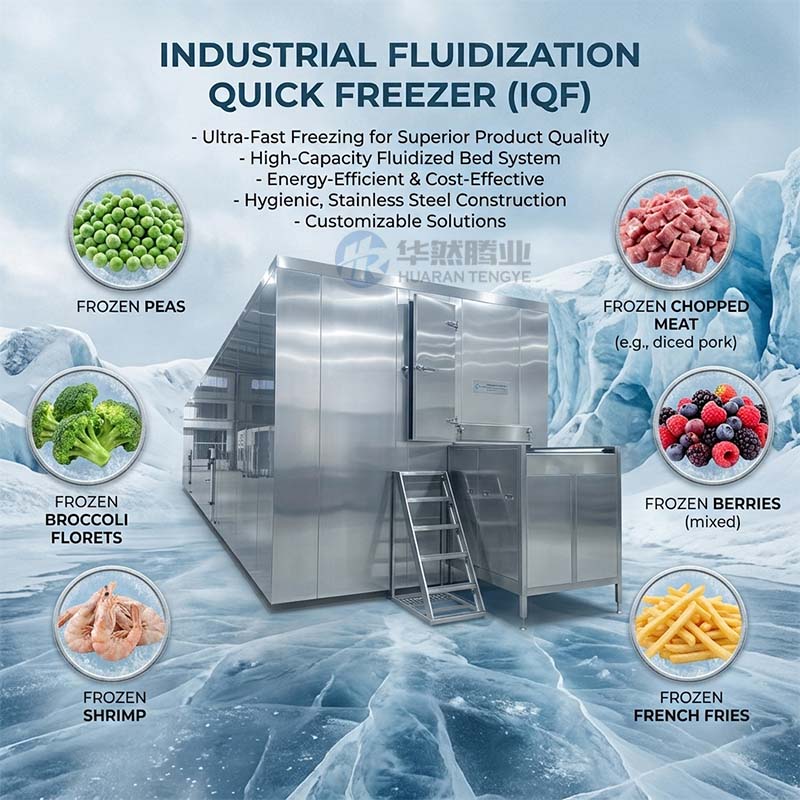
Cold storage is best for large, uncut products, but not so much for the small, fine items; while the latter is exactly the kind of product for which a fluidized bed freezer is designed. For example, the kind of goods that would freeze most optimally in a fluidized bed system are peas, cut corn, diced carrots, strawberries, blueberries, diced meat, shrimp, French fries and the like. (It should be noted that it is not the method that would be suitable especially for the very big or non-uniform products since they are difficult to fluidize properly.)
11. Throughput and Scalability
One reason why the cold storage method isn't able to produce on a large scale is because of the size of the room and the fact that it is a freeze batch operation. On the contrary, fluidized bed freezers have the ability to handle much larger volumes and produce more than static freezing can, with the output being from 500 to 6,000+ kg/hr.
12. Total Operating Cost
The capital cost to set up a fluidised bed freezer plant is probably the only area where cold storage has the edge. But the advantages of the fluidised bed technology in terms of the operating cost, which comprises: energy, labour, weight loss of the product through the product chain, and maintenance cost, result in much lower overall cost during the life-span period of the freezer machines compared to that of the cold storage room. In fact, it has been noted that the usage of fluidized bed systems in the cold chain sector resulted in, on average, three-fold increase in turnover efficiency, whereas the complaint rate of customers dropped by as high as 65 percent.
The Advantages of Fluidized Bed Freezers
Unmatched Freezing Efficiency and Product Quality
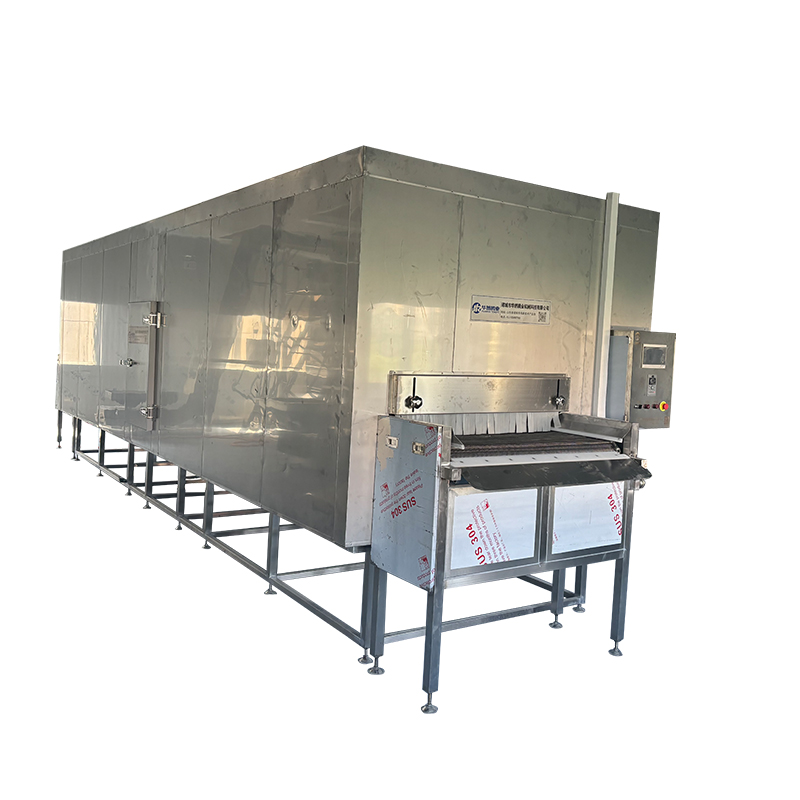
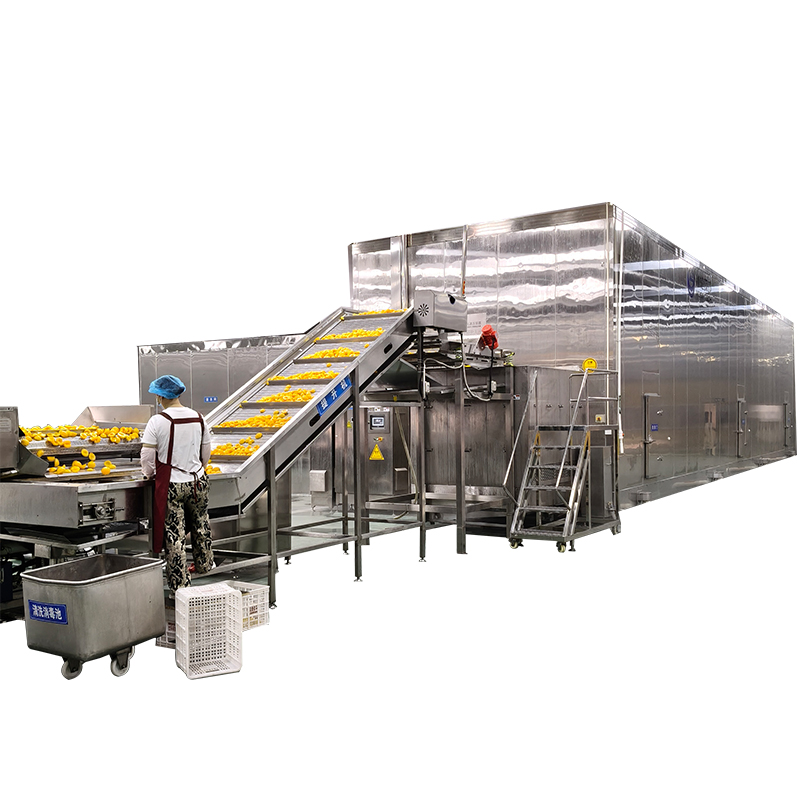
The core benefit of fluidized bed technology is superior heat transfer efficiency. Food particles are fully suspended and individually exposed to cold airstream, which enhances heat exchange and accelerates freezing. Rapid freezing minimizes damaging large ice crystal formation by quickly passing through the maximum ice crystal formation zone, preserving food texture, color, and nutritional value. A high convective heat transfer coefficient of 30 to 60 W/m²K indicates this efficiency. Small wet products tend to stick together during freezing. Fluidized bed freezers solve this through multiple mechanisms: the tumbling motion of suspended particles, aided by mechanical or pulsed air vibrations on the conveyor belt, keeps particles separate, producing free-flowing IQF products convenient for consumption, industrial handling and packaging
Superior Economics and Operational Performance
Fluidized bed freezers have substantial operational and economic benefits. Their extremely rapid freezing delivers higher production capacity in a given footprint; the reduced required floor space is especially advantageous for space-limited facilities. Compared with conventional air-blast freezers, their efficient design also cuts power demand and installation costs. Furthermore, their advanced design lowers operating costs. The Air Defrost System (ADF) prevents frost accumulation, letting evaporator coils run continuously longer, maintains high heat exchange efficiency and reduces energy-intensive defrost cycles, bringing significant energy savings—some manufacturers report 20% lower overall energy consumption for the same freezing capacity. This technology also minimizes product moisture loss (dehydration), a common problem in other freezing methods. It quickly forms a frozen crust on the product surface to lock in internal moisture, increasing frozen product yield from raw materials and improving final product quality.
Advanced Design and Hygiene
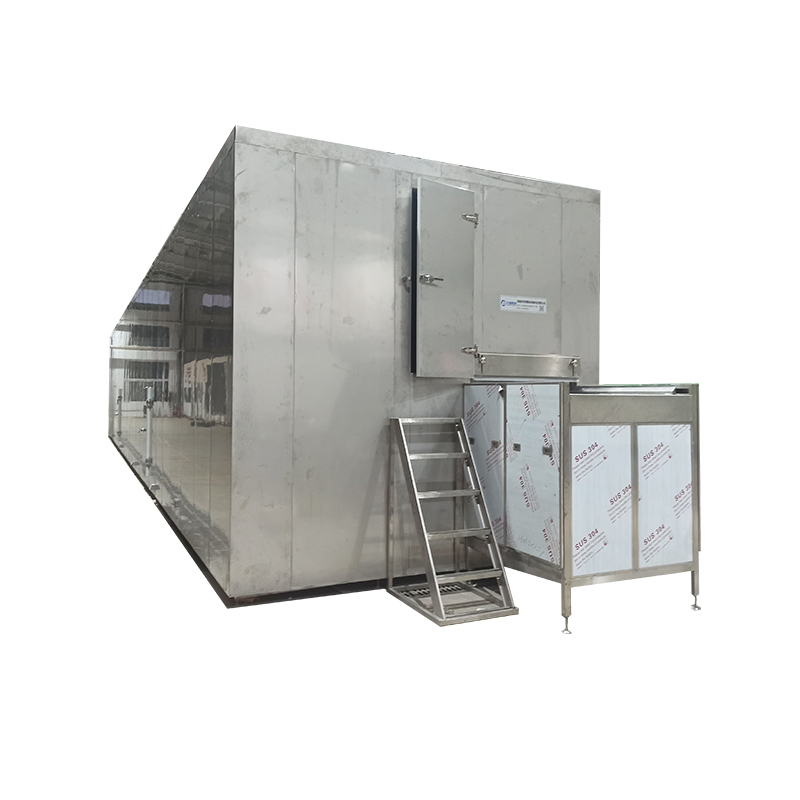
Modern fluidized bed freezers are designed for hygiene and easy maintenance, built with food-grade stainless steel and equipped with Clean-In-Place (CIP) systems to meet strict food safety regulations. They have sophisticated PLC touchscreen control systems for precise adjustment of process parameters for different products. Separated evaporator fans and coils simplify cleaning and maintenance, preventing debris accumulation that harms performance and hygiene. In summary, fluidized bed freezers combine speed, quality and efficiency, and are indispensable for modern high-volume food processing.
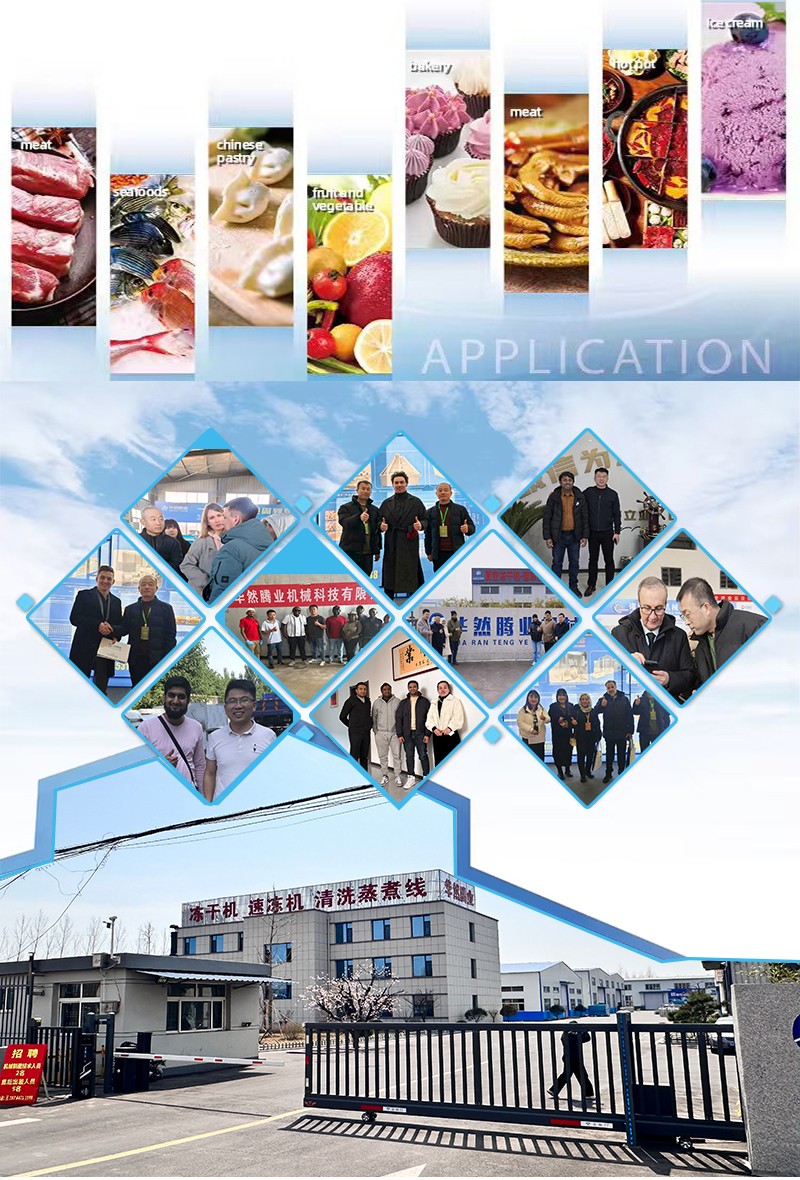
Application scope
Meat & Poultry Processing
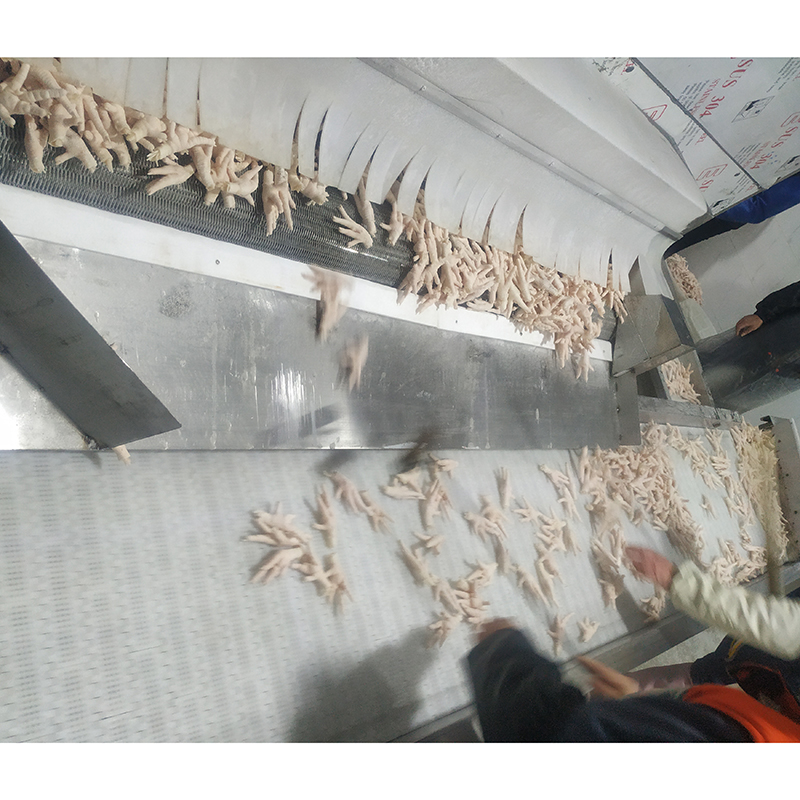
Chicken pieces (breasts, thighs, wings, nuggets)
Beef and pork cubes, strips, and patties
Lamb chops and diced meat
Processed items like meatballs, sausages, and burgers
Seafood & Aquatic Products
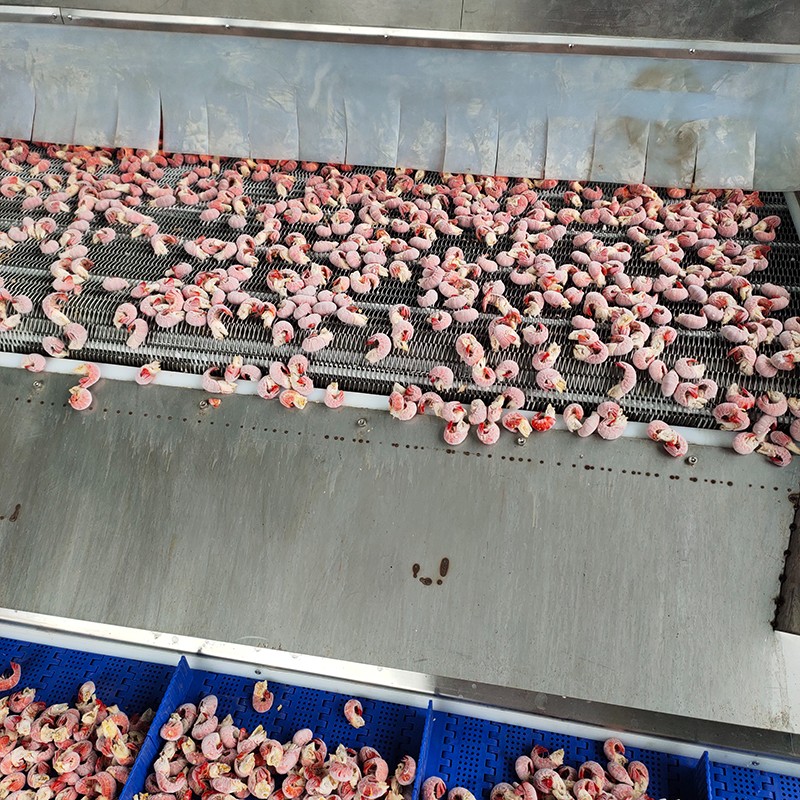
Shrimp, prawns, and peeled shrimp meat
Fish fillets, fish balls, and surimi-based products
Squid rings, scallops, and mussel meat
Crab sticks and imitation seafood
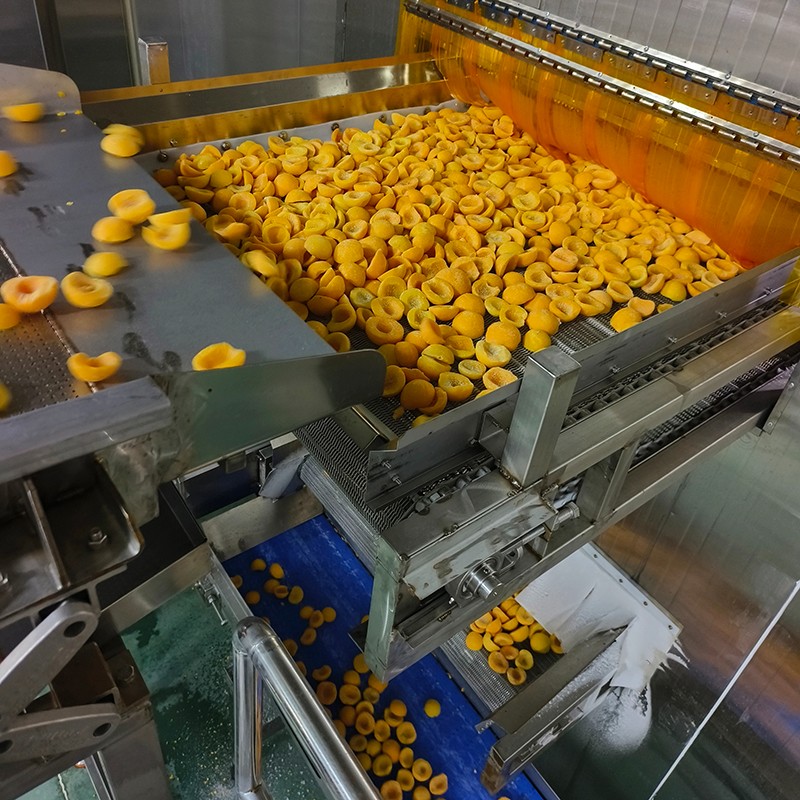
Fruits & Vegetables
Berries (strawberries, blueberries, raspberries)
Cut fruits (peach slices, mango chunks, melon balls)
Vegetable pieces (green beans, peas, corn kernels, broccoli florets, diced carrots)
Dairy & Confectionery (limited use)
Frozen raw meat chunks for premium pet food manufacturing
Ready-to-Eat & Convenience Foods
Ready-to-Eat & Convenience Foods
Pre-cooked frozen meals and side dishes
Spring rolls, dumplings, and stuffed pastries
Breaded or battered products (chicken tenders, fish fingers, onion rings)
Small cheese cubes or cream-based fillings
Certain dessert pieces requiring individual freezing
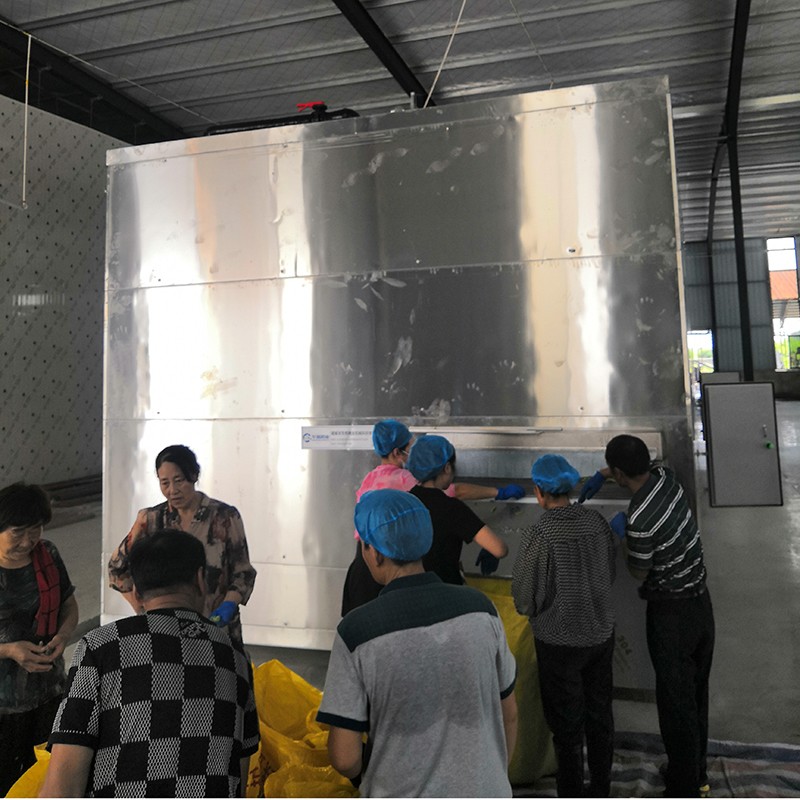
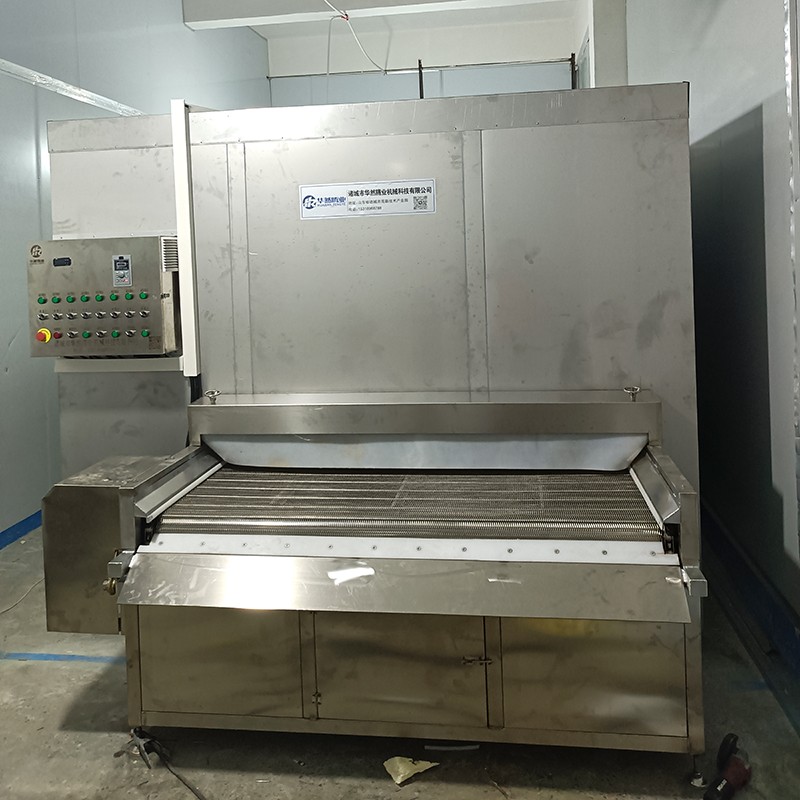
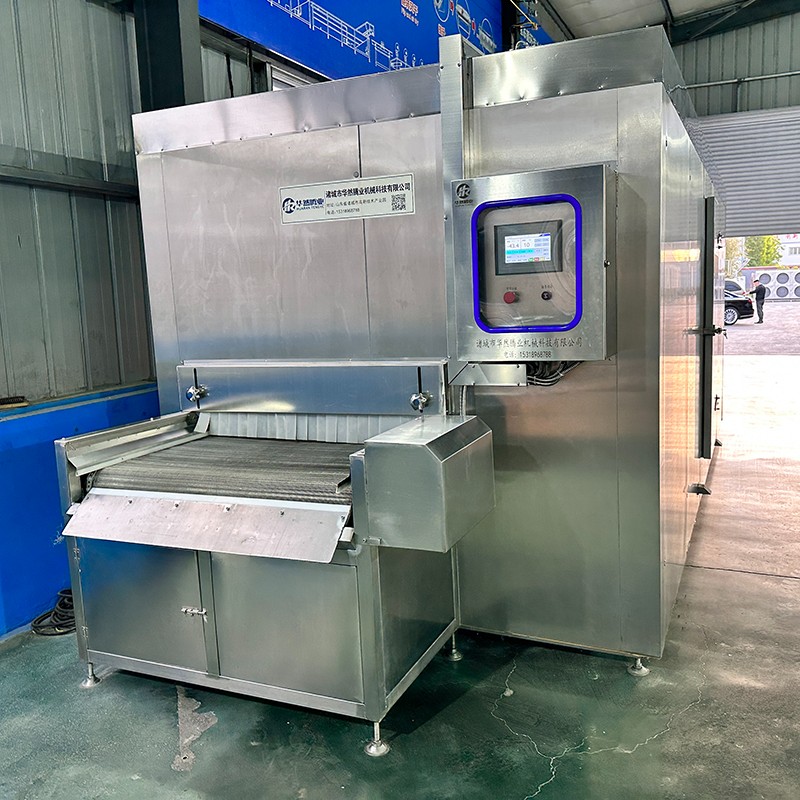
This freezer is specially made for preserving small-particle-size foods, very delicate food, or food products that can be crushed by freezer blades.
Category-Specific Products: Meat & Poultry: Chicken fillets, thighs, winglets, chicken chunks; meatball or beef/pork cubes, meat strips, burgers; Lamb chops; Meatballs, sausages, burgers;
Seafood: Shrimp, prawns, peeled meat; Fish fillets, fish balls, surimi; Squid rings, scallops, mussels; Crab sticks;
Fruits: Strawberries, blueberries, raspberries; peach slices, mango chunks, melon ballsVegetablesGreen beans, peas, corn kernels, broccoli florets, diced carrots
Precision Fit to You
Every processing plant is different - layouts vary, and product specifications have their own characteristics - so we give comprehensive modification possibilities:
Feeding/Discharging Conveyor - It's very flexible to change feeding and discharging conveyors' lengths and heights in order to perfectly match with your existing upstream or downstream equipment.
Transporting Belts - Depending on the stickiness and shape of the products you manufacture, you can choose stainless steel mesh belts, plastic modular belts, or special non-stick belts that leave no contamination.
Rotating/Traveling Path - Depending on the particular area requirements, a rotating or oval track layout can be adapted to fully utilize the available space.
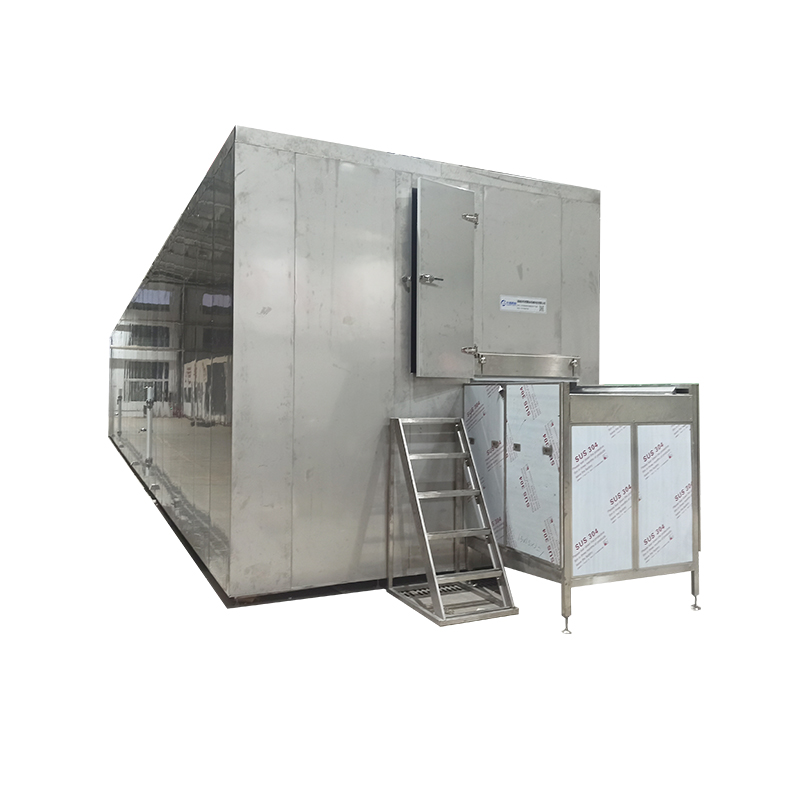
Material Specifications - Besides standard grade stainless steel (SUS304), we may offer components made of SUS316L (a supercorrosive resistant stainless steel) if they come directly in contact with very acidic or salty products, e.g., seafood, pickled Vegetables.
Hygienic Equipment - We can add cleaning ports and provide different drainage systems for daily sanitation to the standard CIP system for easy and fast cleaning work.
About Us
Year established: 2008 (19 years of experience)
Factory area: 18,000 m²
R&D team: 22 engineers
Production lines: 4 assembly lines
Annual capacity: 120+ units/year
Certifications: ISO 9001, ISO 14001, CE, ASME
Core component partners: Bitzer, Leybold/Edwards, Siemens, Emerson
Export markets: 40+ countries including USA, Germany, Japan, South Korea, Australia, Brazil
Units exported since 2010: 800+
FAQ
1Q. What's the delivery time?
A: 45 working days for SSD100 to SSD-500; 60–75 working days for SSD750 and above. Shipping time not included.
2Q. Do you provide installation support?
A: Yes. On-site commissioning, test runs with your materials, and operator training included. Travel expenses billed separately. Remote video support also available.
3Q. What's the warranty?
A: Standard warranty: 12 months from commissioning. Critical spare parts dispatched within 48 hours under warranty. Extended warranty (up to 5 years total) and annual maintenance contracts are available – please contact our sales team for pricing.
4Q. Can you customize the equipment?
A: Yes. Modifications include special shelf spacing
Customer Testimonial
We upgraded our old IQF line to this fluidized bed freezer and saw immediate improvements. Product quality is superior, clumping is zero, and the energy savings have been remarkable. Best investment we've made
— Operations Director, Major Berry Processing Facility