
Equipment features
While a layman might think of freezing food as an easy thing to do, in reality, it gets complicated when one has to make sure that every part of the frozen food production line gets a steady cooling. One of the main problems is when air circulation isn't uniform. There can even be some hot spots so warm that the food hardly freezes at all. As a result, the food's cell wall ruptures, the texture worsens, and dripping after thawing increases.
A few years ago, one might just think that food was frozen, but with our eyes, today, one sees a pile of vegetables that looks wet and mushy, and fish with skin freeze-burned, an ugly bunch of IQF that didn't meet the customer's final specification to such an extent that even 10-15% of the pallet could have been rejected!
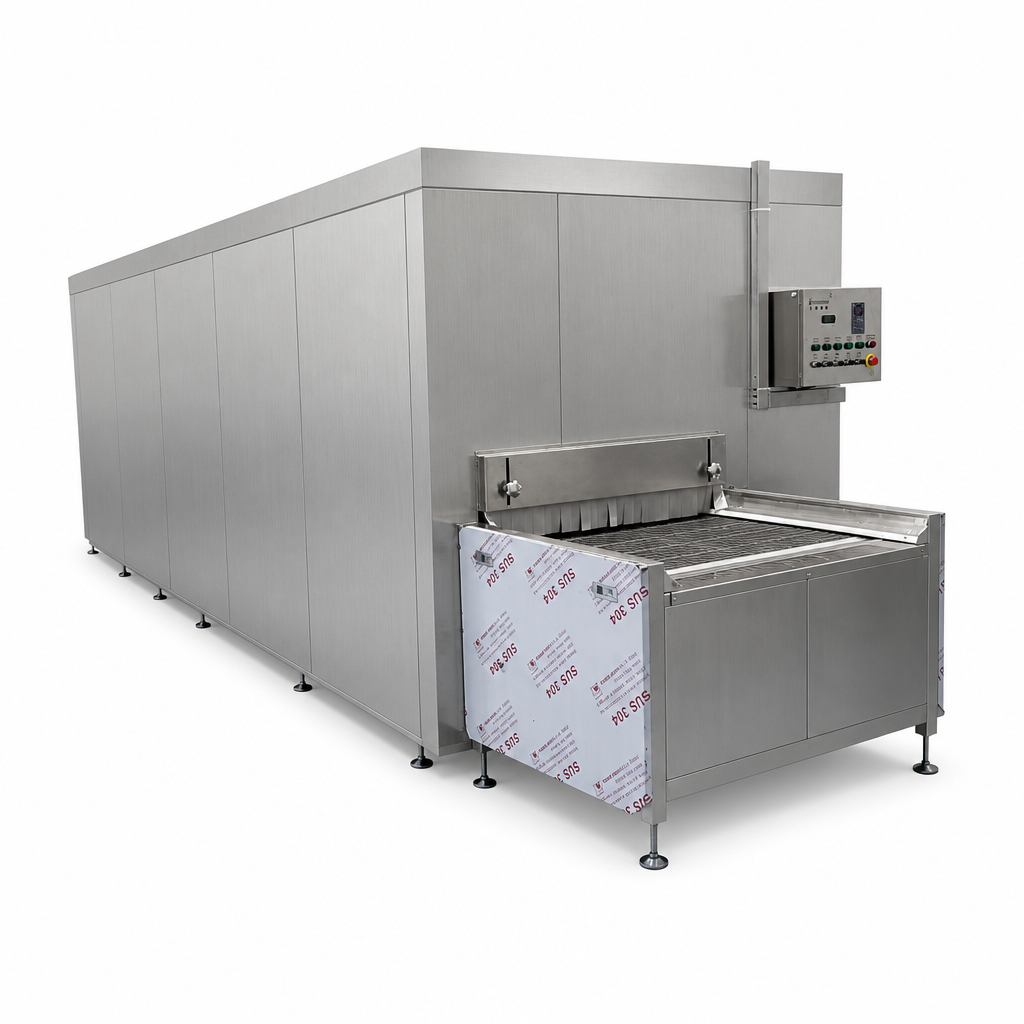
Product range adds another layer of difficulty here. The very same production line that was producing peeled shrimp at -32.22 °C a few minutes ago can handle marinated chicken cubes that are very sticky, or even a delicate berry mix, a bit later in the same production day.Believe it or not, all products have different specifications for the freezing process. These include belt speed, bed depth, air velocity, etc., for each product. It is really not possible just to remember all these, let alone guess right when operators start with product changeovers one after another, particularly when the previous product required quite a lengthy time that had taken the machine out of its routine.
Our Solution
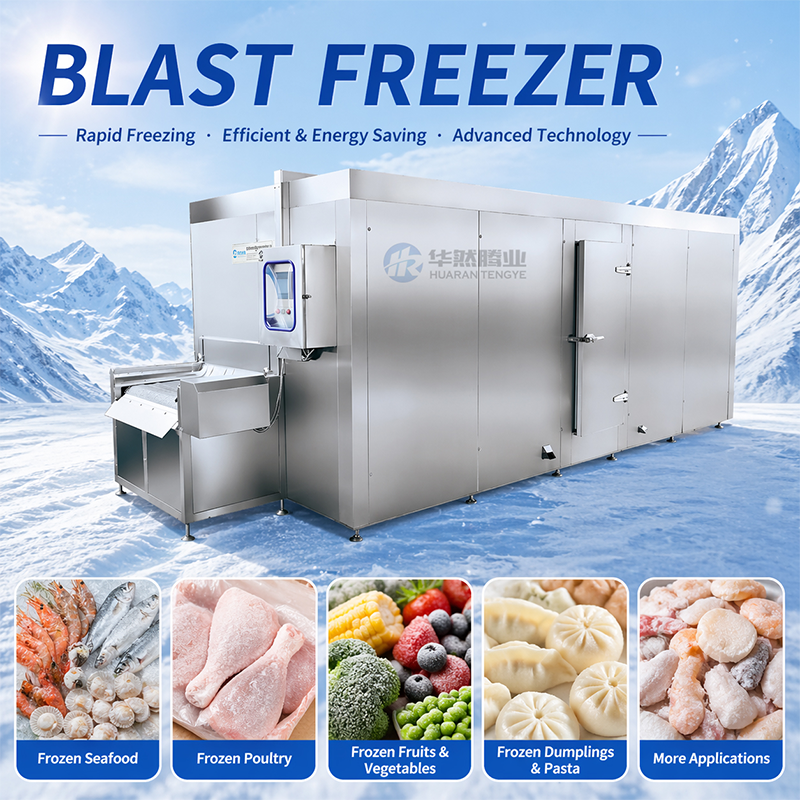
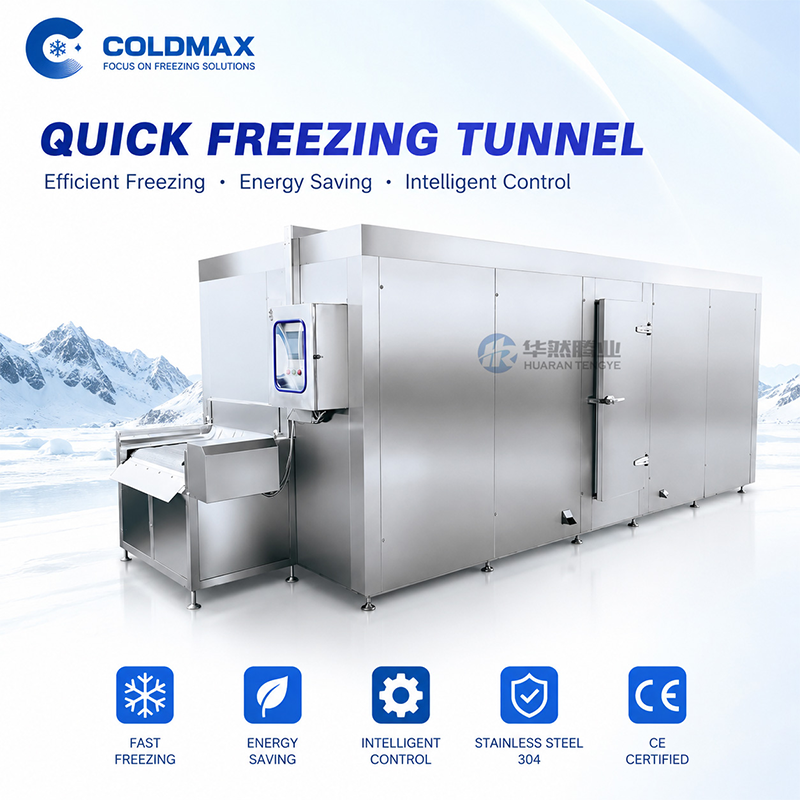
IQF-S machine series enables rapid freezing of single items in a consistent manner, thus throughput is sustained, and the quality of the product is the same whether it is produced now or the next day. With the PLC, the users can store up to 100 freezing programs for different products: belt speed, fan frequency, evaporator temperature, and time on the machine are the parameters that can be recalled at any time. Switching quickly from one product to another, as when going from frozen shrimp to poultry diced without changing the core temperature, is now possible with a simple change of machine only.
A high-speed flow of air caused by the blowing of a fan with frequency-controlled centrifugal action brings heat equally from all points of the belt's width, and thus, the best result is achieved. If you also consider that with the installation of either a pulse-jet or sequential defrost system, evaporator efficiency is maintained during prolonged periods of running, food clumping, partial freezing and loss of water due to dehydration issues disappear even with very moist or sticky types of food!
You are getting freshly frozen products from the machine line with parameters set in full perfection:
The core of food particles after freezing: at or below -18°C
The particles are well separated from each other: 99% at the most!
Water dripping after thawing: 2% only
Consistency of running speed after the product has been changed: within ±3%
Fewer rejects, very quick changeovers, and fully automatic recipe changes are going to give you better Overall Equipment Effectiveness, and your material cost per kilo of production will be lower.
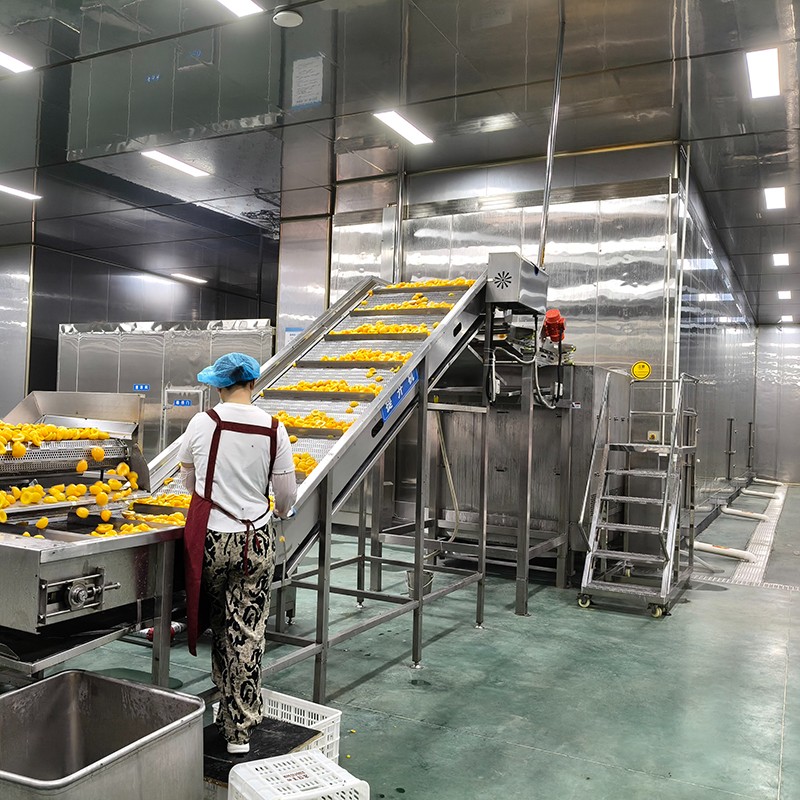
Main Benefits of IQF Spiral Freeze
Individual Quick Freeze (No Clumping)
With powerful air current and fluidization technology, each seafood piece stays totally separate as the products go through freezing, making no clumping.
Loose and free-flowing products are the outcome, thereby avoiding manual breaking or re-sorting post-freezing and leaving them directly ready for packaging.
Super-speed Freezing
Penetrates cores down to -18°C freeze within 10 to 30 minutes, depending on the size of the product.
Products are passing through the maximum formation zone of ice crystals (-1°C to -5°C) in seconds, thereby preserving the cell structure, texture and natural juices just like the fresh-caught seafood!
Highest Yield & Minimum Weight Loss
Freezing prevents dehydration and moisture evaporation.
Through reducing drip loss under 2% after thawing, you make full delivery in net weight and thus get higher satisfaction from the customers.
High Production Capacity in a Compact Design
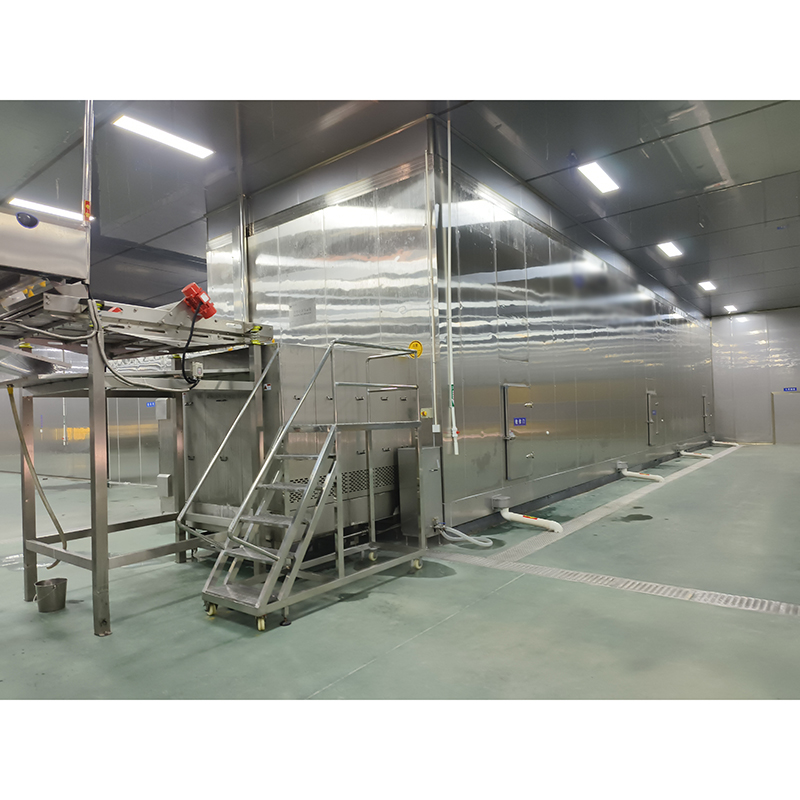
By employing a spiral belt, much freezing time is made to go into a small footprint.
Capacities handled can be anywhere between 500 kg/h and 5,000+ kg/h that is perfectly suitable for large industrial continuous production lines.
First-rate Hygiene & Cleanliness
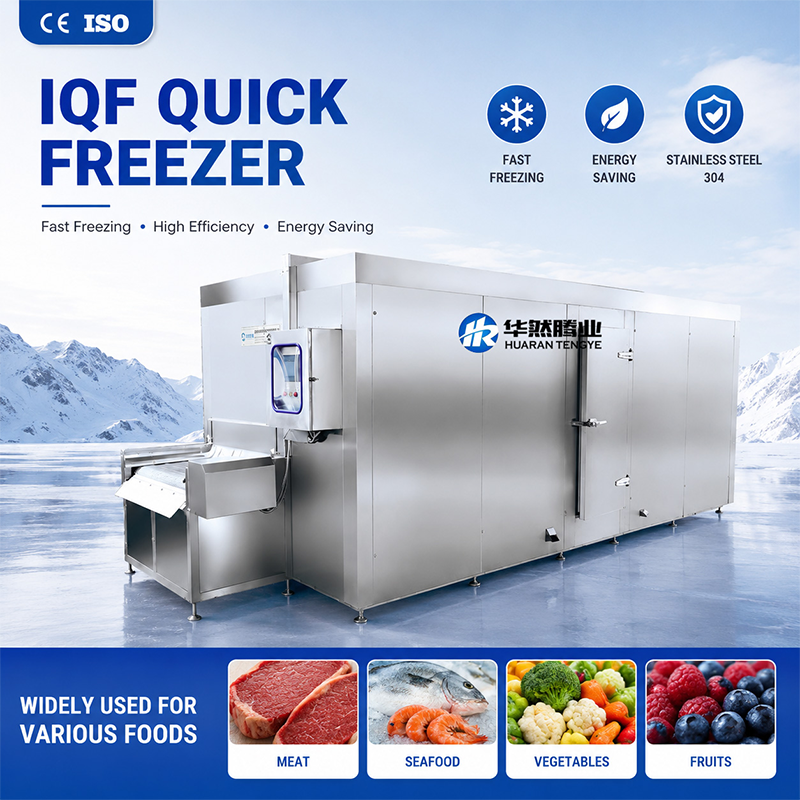
CIP (Clean-in-Place) facilities and a stainless steel 304 construction are the features of the equipment.
Thanks to belt removableness and an open-frame construction, there's no problem in cleaning, and the machinery is in accordance with the regulations of the HACCP and FDA standards for food safety.
Low Running Costs
Better variable frequency drives and efficiency of compressors lead to energy per kilogram savings.
Energy recovery from the cold by recirculating airflow significantly reduces the running costs of the freezer over the years.
Diversity of Frozen Products
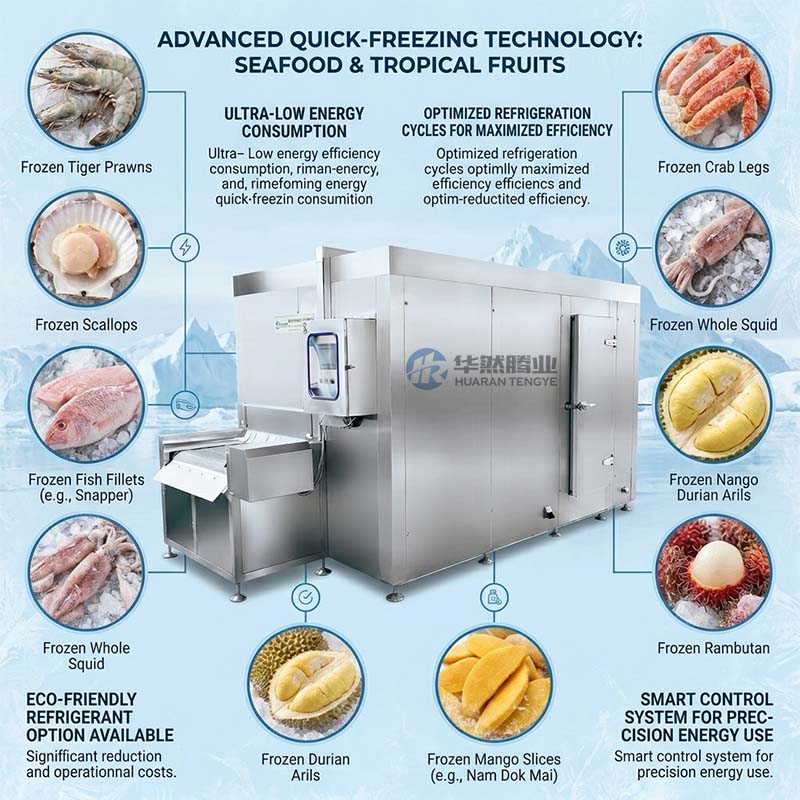
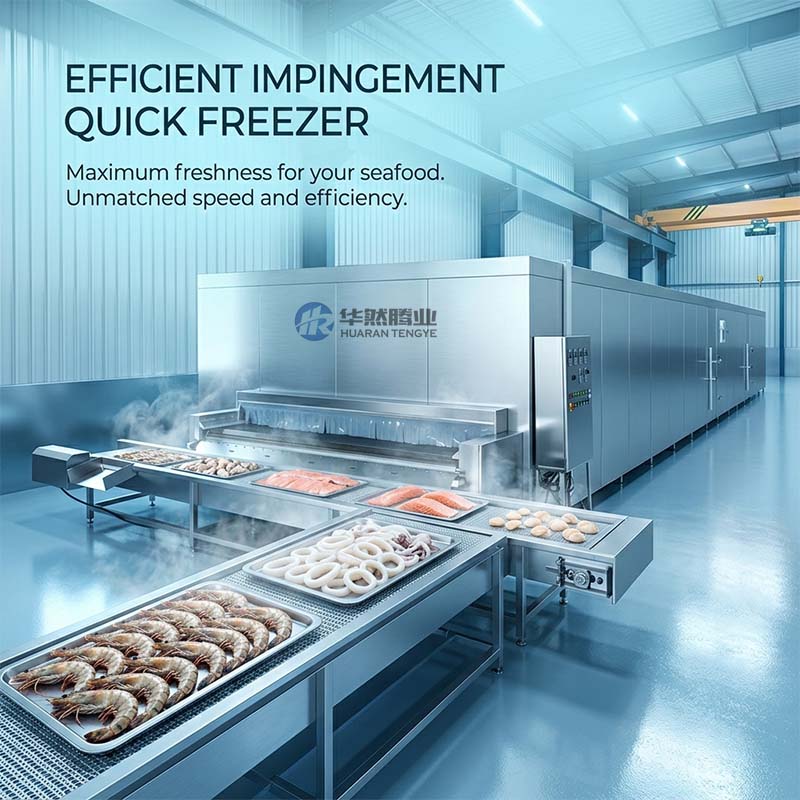
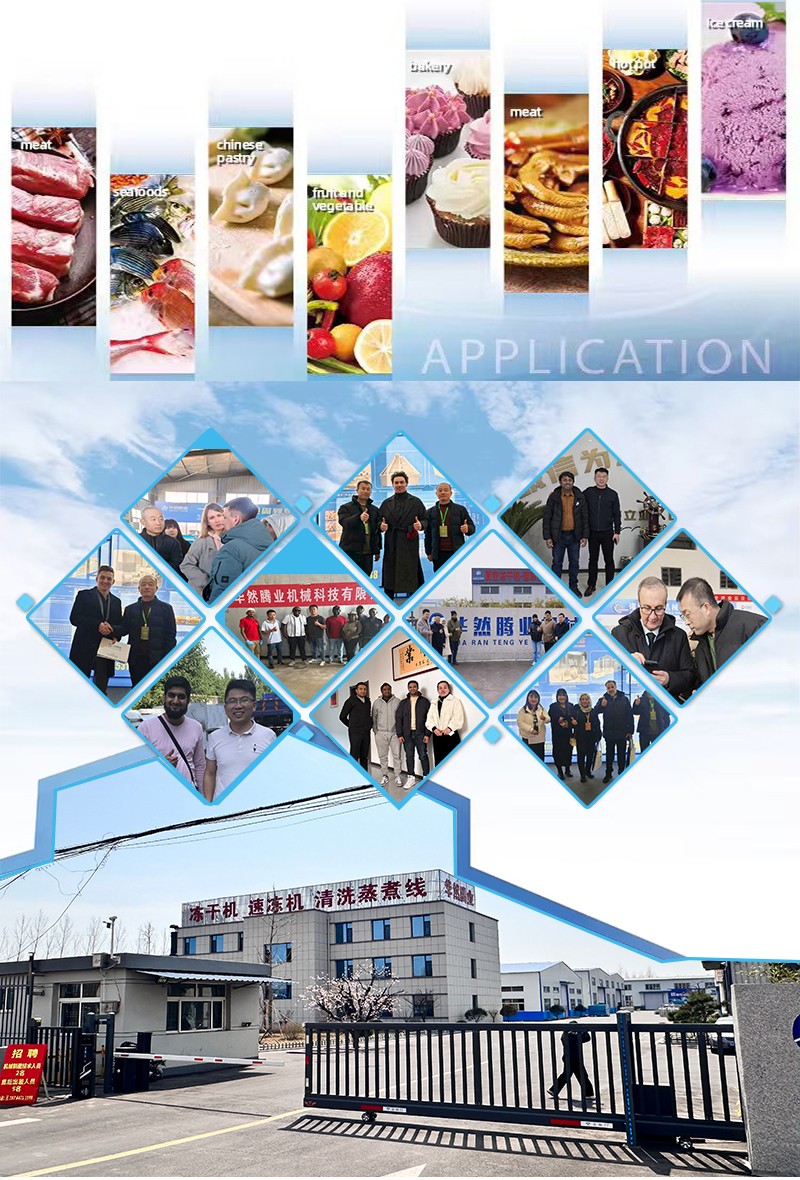
IQF Spirala Freezer is best suited to various seafood types, including shrimp, peeled shrimp meat, scallops, squid rings, fish fillets, cuttlefish and mixed medleys. It can also be freezing of vegetables, fruit, poultry, and ready-to-eat snacks—thereby enabling you to make full utilization of your freezer.
Full Automation & Reduced Manual Work
Automatic intake/outcome system PLC touch panel.The only job one man should be given is watching, as this results in a considerable lowering of labour expenses and also, a decrease in mistakes made by human factors during the freezing process.
Production parameters
| Model | Size(mm) | Conveyor belt width(mm) | Length of the feed inlet(mm) | Outlet length(mm) | Cooling load(KW) | Freezing capacity(KG/H) | Refrigerant model |
| SSD-100 | 6600*2300*2200 | 1200 | 900 | 600 | 22 | 100 | R507 |
| SSD-200 | 9300*2300*2200 | 1300 | 900 | 600 | 40 | 200 | R507 |
| SSD-300 | 11500*2500*2200 | 1400 | 900 | 600 | 58 | 300 | R507 |
| SSD-400 | 13800*2500*2300 | 1400 | 1000 | 800 | 75 | 400 | R507 |
| SSD-500 | 15800*2600*2300 | 1500 | 1000 | 800 | 90 | 500 | R507 |
| SSD-750 | 17800*3100*2400 | 2000 | 1000 | 800 | 135 | 750 | R507 |
| SSD-1000 | 19200*3700*2400 | 2600 | 1200 | 1000 | 170 | 1000 | R507 |
| SSD-1500 | 22500*4100*2500 | 3000 | 1500 | 1000 | 220 | 1500 | R507 |
| SSD-2000 | 24500*4900*2500 | 3800 | 1500 | 1000 | 320 | 2000 | R507 |
Frozen food machine & cold storage
1. Super Fast Freezing
Cryogenic Freezers use cold air blast at very low temperatures (usually –35°C to –60°C) to freeze the food in minutes or hours. Whereas cold storage freezers take their time (usually 12–48 hours) to get it cold enough, letting big ice crystals form.
2. Better Quality of the Product
A product that was frozen quickly will form small ice crystals that hardly affect its tissues. This way, the flavor, texture, color, and other properties of food will be kept nearly identical to the original. On the other hand, slow freezing in cold storage leads to the formation of big ice crystals, which result in excessive losses during defrosting and also give the thawed food a soft and mushy texture.
3. Protects Against Freeze-drying & Loss of Moisture
Cryogenic freezing immediately seals the moisture inside the surface, reducing the dehydration on the surface. In contrast, cold rooms continually subject the goods to cold-dry air, leading to freeze- burn and loss of water mass.
4. Greater Capacity & Efficiency
Cryogenic freezers can handle much greater quantities without interruption through, say, a tunnel or spiral model freezer much quicker. Cold storage chambers, on the other hand, are batch-based and hence limit the number of items per unit time, thus delaying production lines
5. Improved Food Safety
Hurrying through the "danger zone" (0°C to 5°C) rapidly minimizes the window for microbial activity. Conversely, slow freezing allows bacteria more time to reproduce during freezing.
6. Energy Efficiency with Freezing Load
Quick-freezers are built to cope with the phase-change load (removing latent heat), which gives them high energy efficiency per kilogram of frozen product. Cold storage compressors are designed for maintenance (holding temperature), not for active freezing; thus, running them for freezing processes is not only inefficient but also costly.
7. Single Quick Freezing (IQF) Feature
Several cryogenically cooled freezers are capable of Single Quick-Freezing so that each piece (e.g., fruit, meat, vegetable) is frozen separately and they are not stuck together. Cold rooms, on the other hand, when used for freezing, usually lead to a block product that is difficult to divide later.
8. Less Warehouse
Cryogenic freezers are much more compact for a given throughput since they operate at high speeds in a continuous mode. Cold rooms need a lot of floor space for pallet stacking, which is an operation of long freezing cycles
About Us
Founded: 2006 (with 19 years in the industry)
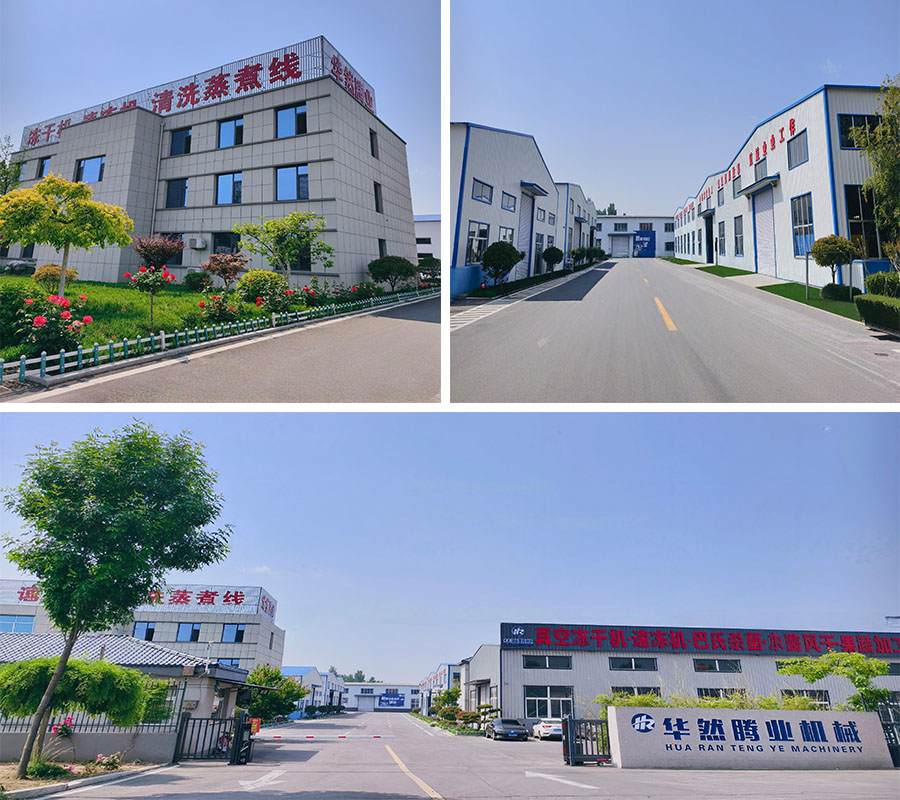
Factory size: 18,000 m²
R&D team: 22 engineers
Production lines: 4 assembly lines
Annual capacity: 120+ units/year
Certifications: ISO 9001, ISO 14001, CE, ASME
Component cooperation: Bitzer, Leybold/Edwards, Siemens, Emerson
Export countries: over 40, including the USA, Germany, Japan, South Korea, Australia, Brazil
Number of equipment delivered since 2010: more than 800
FAQ
Q1: What's the delivery time?
45 working days for standard models (SSD-100 to SSD-500); 35–45 working days for large models (SSD-750 and above). Shipping time not included. Custom configurations may require extended lead time — consult our team for specific timelines.
Q2: Do you provide installation support?
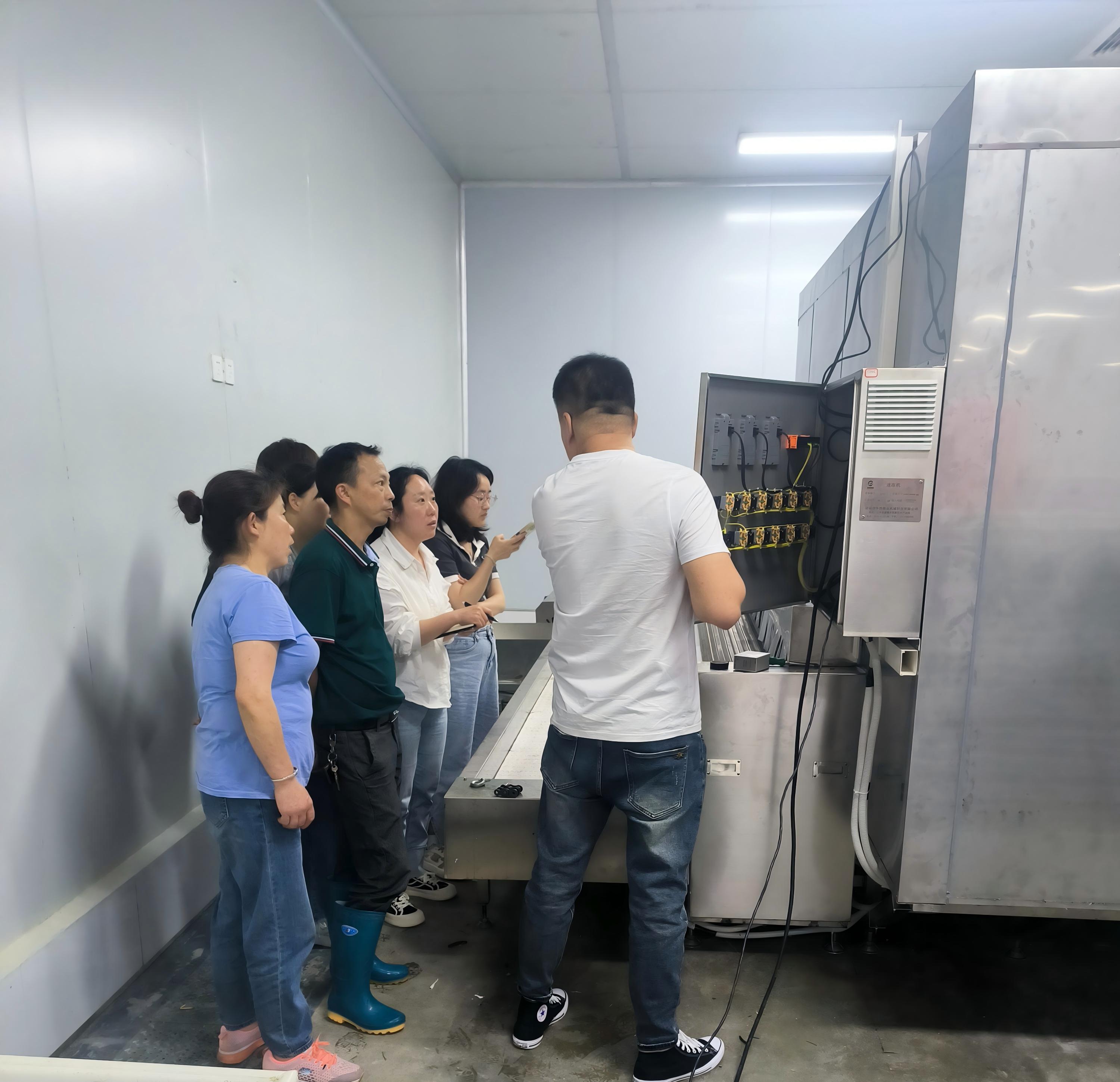
Yes. On-site commissioning, trial runs with your products, and operator training are included. Travel expenses billed separately. Remote video support also available.
Q3: What's the warranty?
12 months from commissioning. Critical spare parts dispatched within 48 hours. Extended warranty and maintenance contracts available.
Q4: Can the equipment handle sticky or marinated products?
Yes. Our sequential defrost system maintains evaporator efficiency during long runs, while the optional anti-stick belt surface prevents product clumping — even with high-moisture, sugar-coated, or marinated products.
Q5: Can you switch between different products quickly?
Yes. Our PLC stores up to 100 product profiles (belt speed, fan frequency, temperature setpoints). Product changeover is as simple as pressing a button — consistent results every time