Product Introduction
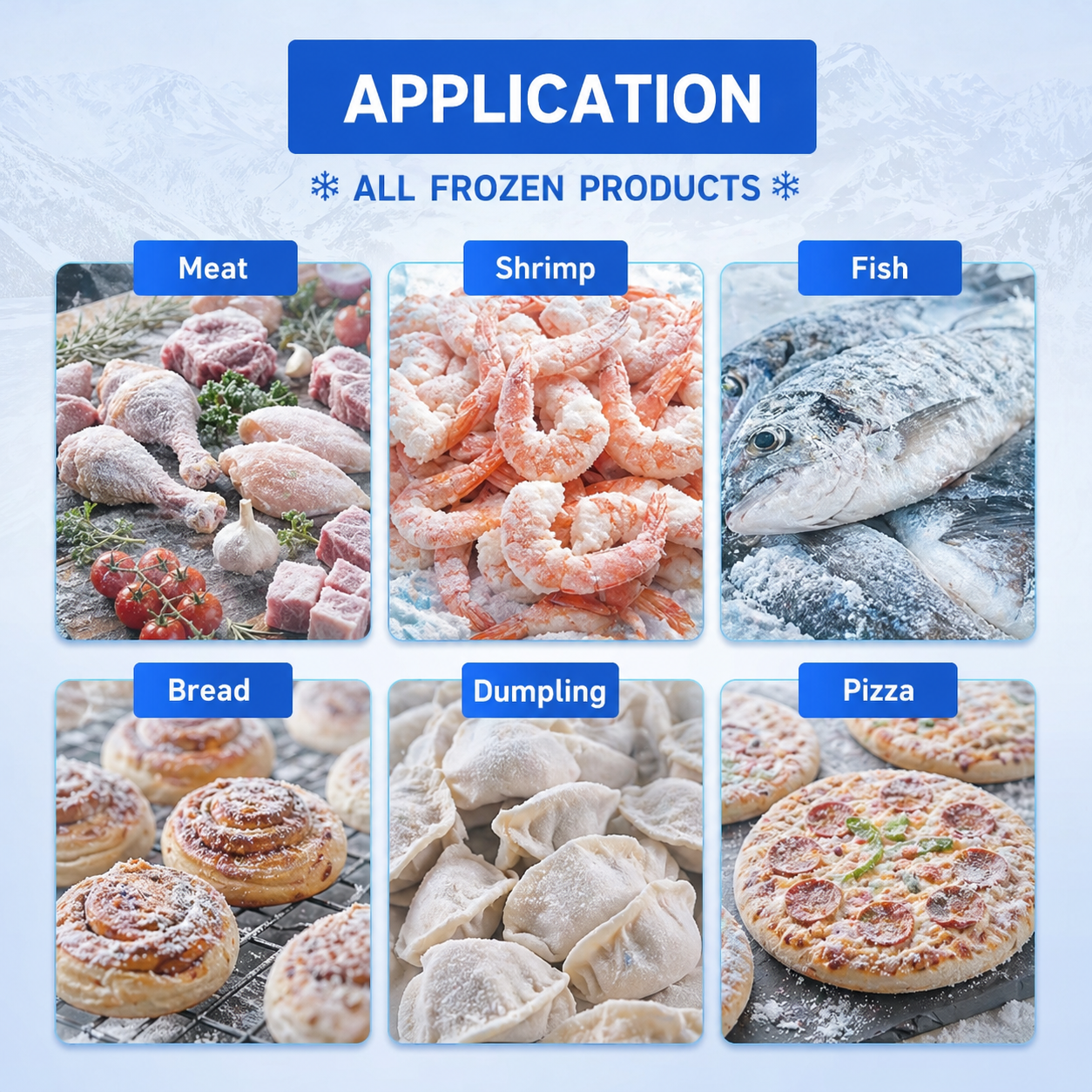
Dense muscle fibers and high water-binding capacity cause a big problem when freezing meat, as the freezer temperature distribution is not uniform. This leads to different parts of the product reaching the freezing point at different times — the protein denatures, the texture is completely altered, and purge loss increases dramatically.
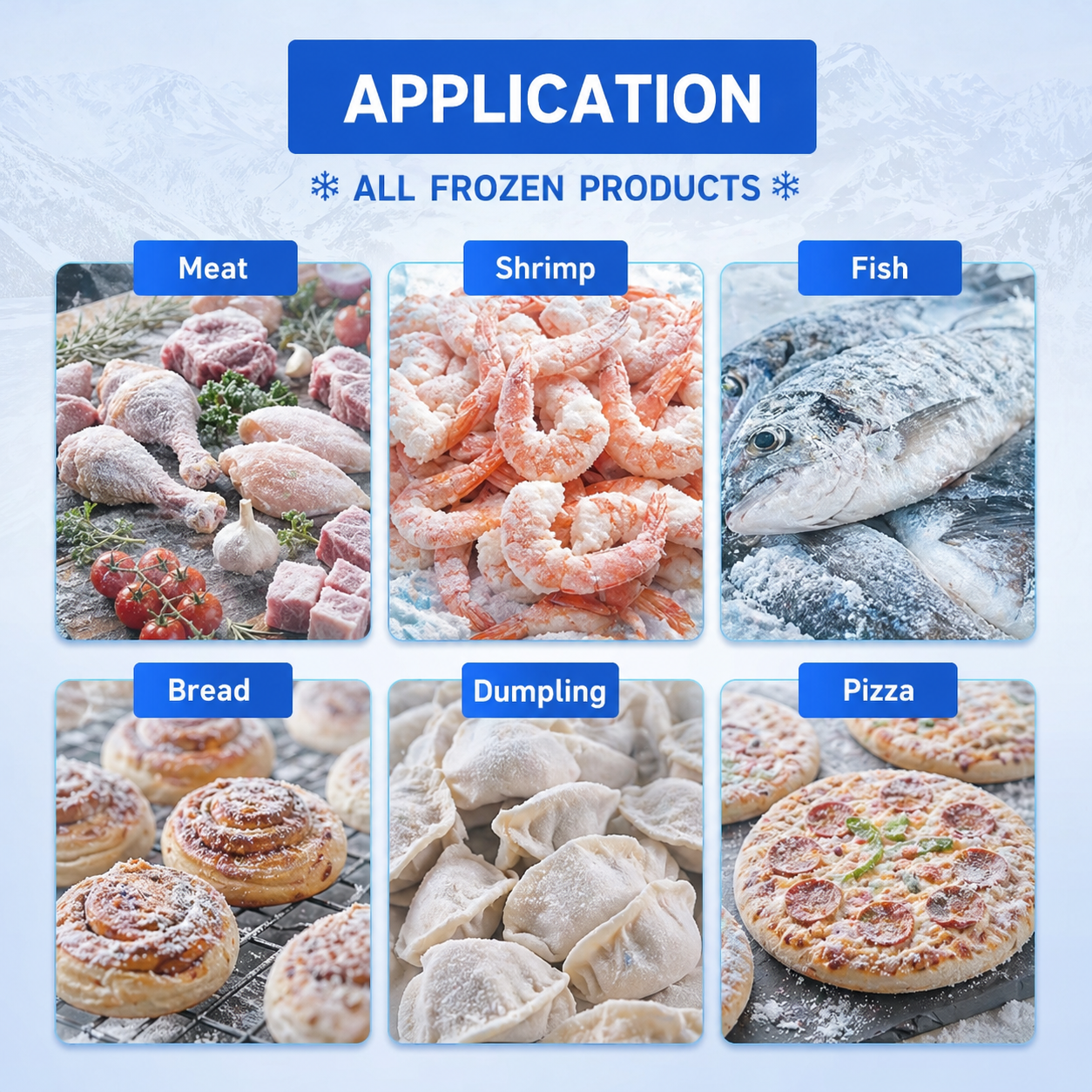
What we observe is chicken breast with a soft, pale surface, lots of liquid coming out, beef strips freezer-burned with an extremely dry surface, and pork cubes that have fused together, forming a solid mass that jams at the bagging line — rejection rates have soared above 10–15%.
An increase in the number of cuts will add to the difficulties.
A different line may change from marinated chicken thighs to stir-fry beef, and finally, they might add pork chops with bones — each change of product would demand different dwell times, intensities of airflow, and the levels of beds.
Operators will have to spend a lot of time retuning if the system does not save the parameters automatically. As a result of this, production periods would be significantly reduced and, what is more, raw materials would be thrown away.
Our Solution
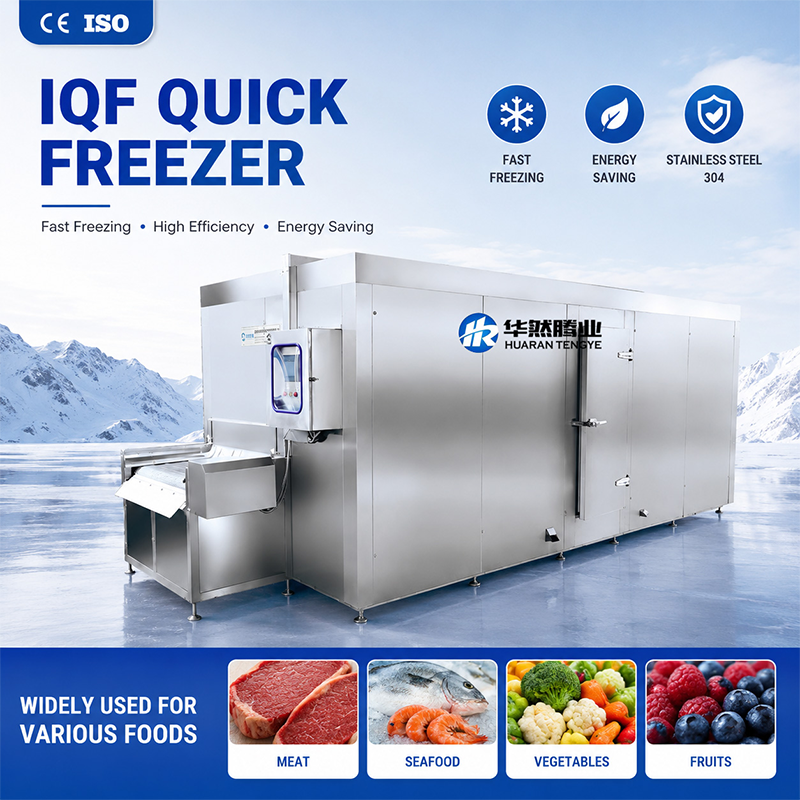
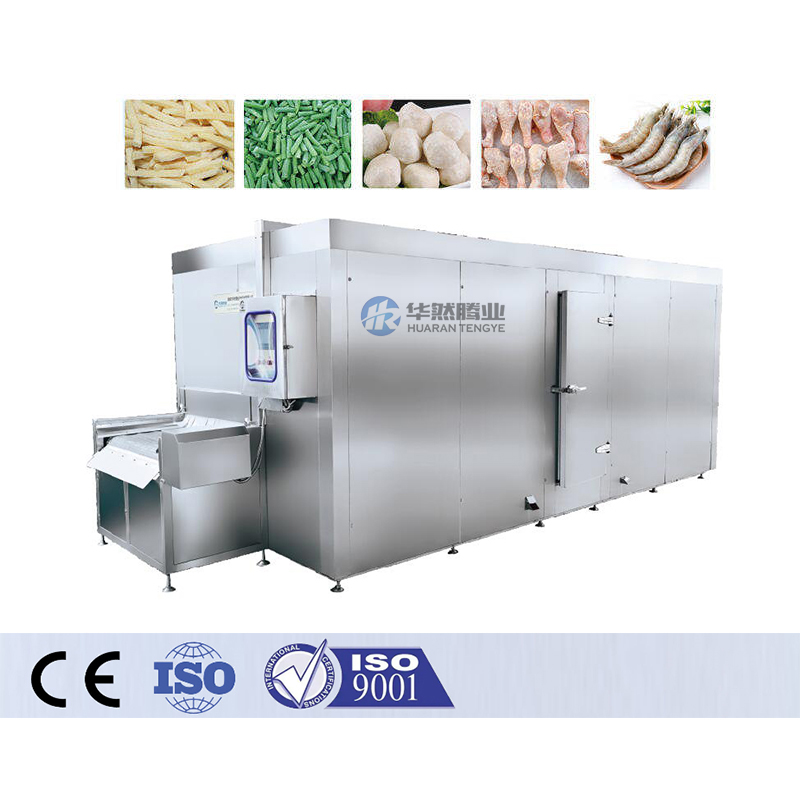
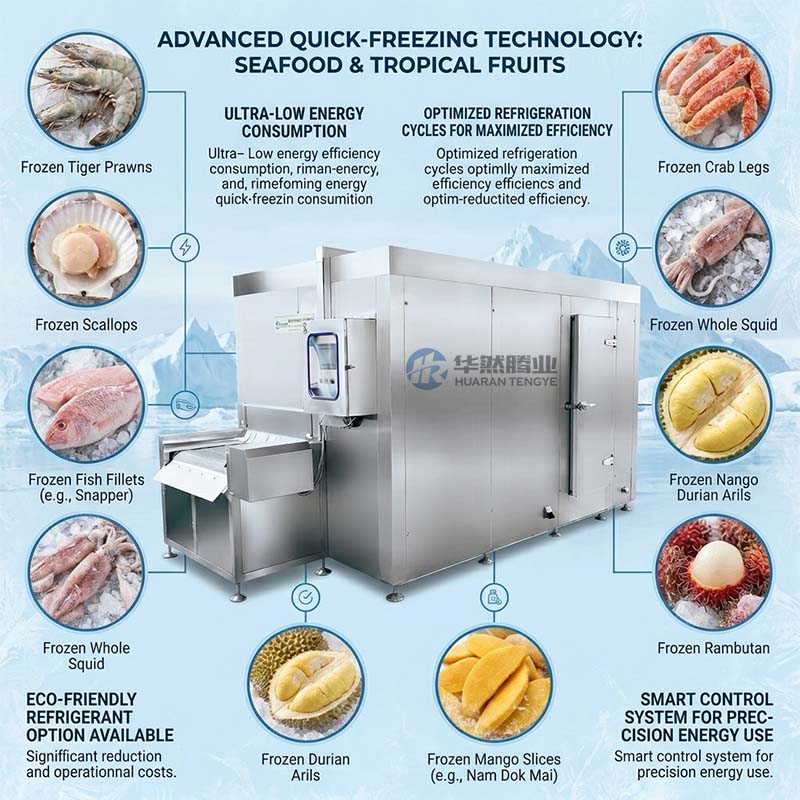
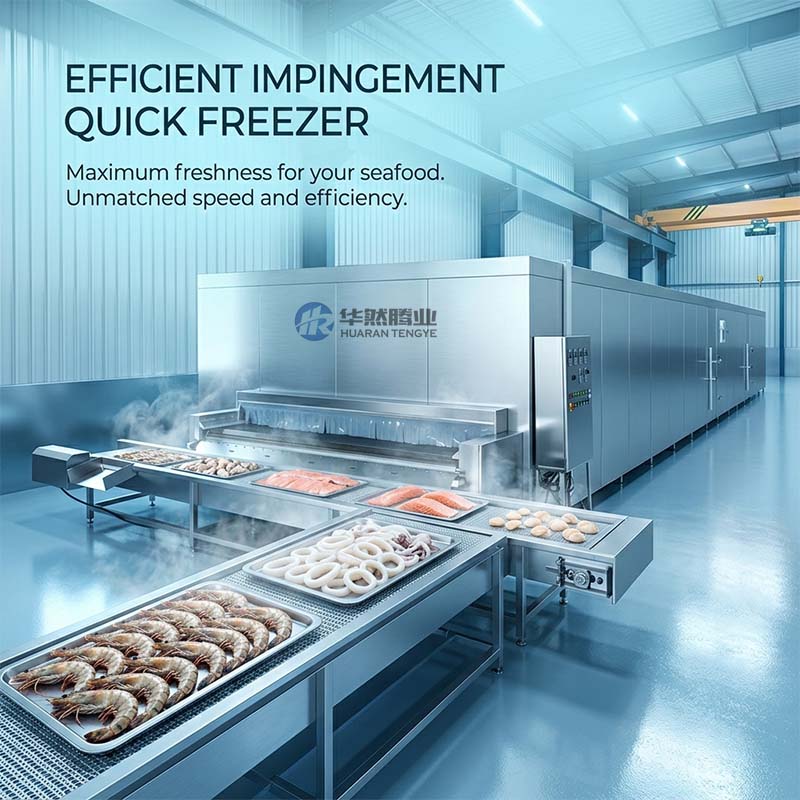
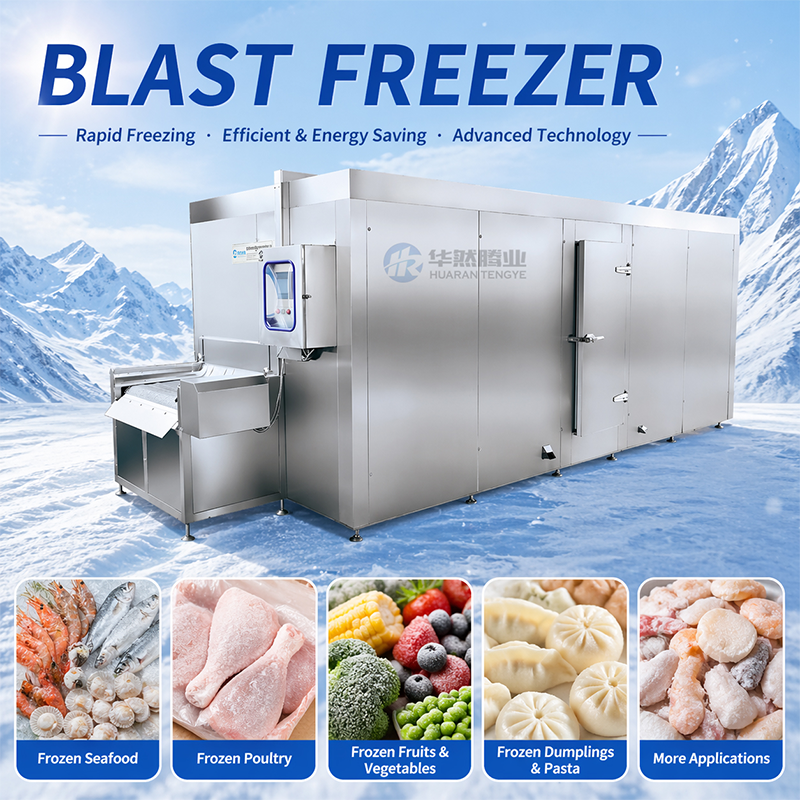
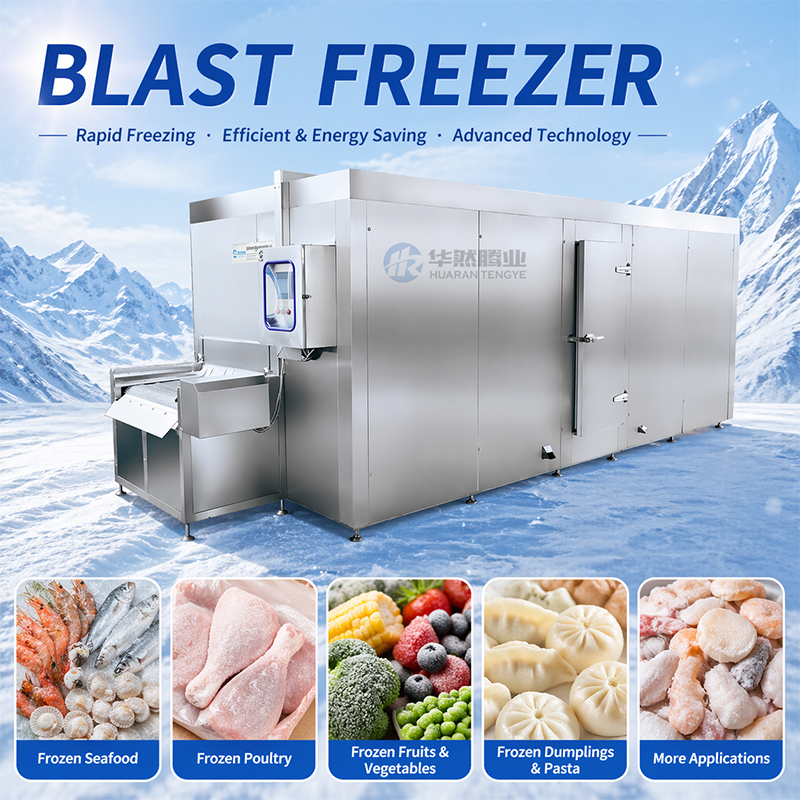
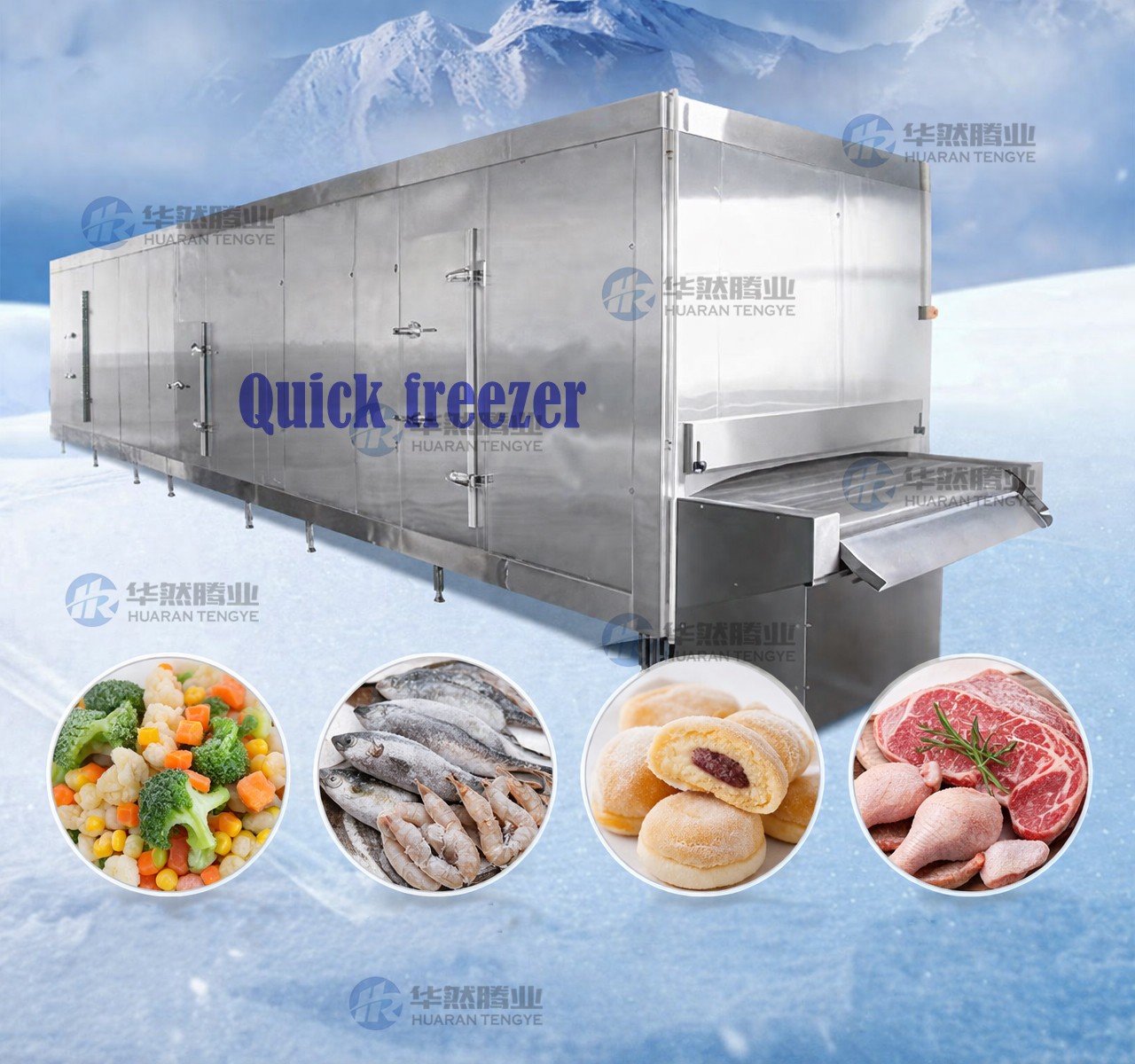
The MM-IQF range of freezers is the solution for individual meat cuts freezing in a quick and repeatable fashion - keeping the proteins' structure intact, the meats' moisture content high, and the separation of each piece at a premium. 100 cut recipes for particular meat cuts are directly stored in the PLC: belt speed, fan frequency, evaporator setpoint, and dwell time - and all these parameters are retrieved in one click only. The fans with SLD technology supply a centrifugal and evenly distributed impingement airflow covering the whole belt width and thus ensure there is no hot zones which may cause partial freezing, purge loss, and dehydration. Hot-gas sequential defrost keeps the evaporator functioning at its top levels while the temperature level remains the same throughout longer productions, so even marinated and high fat products will not be subject to clumping and freezing burns. Outcomes of manufacturing with optimally set programs:Core temperature upon the meat pieces exiting the system: ≤- 18 °C; Individual piece separation: < 100%; Purge loss after thawing: < 2%; Difference in line speed post changeover: ±3%The benefits of recipe switching that requires no intervention and automated defrost are higher efficiency of operation and lower operating costs per unit.
Core Technical Parameters
| Parameter | Specification | Industry Benchmark |
| Freezing temperature range | -35°C to -45°C (evaporator) | -30°C to -40°C (standard) |
| Product core temperature at discharge | ≤ -18°C | ≤ -18°C (minimum compliance) |
| Belt speed range | 0.5–12 m/min (inverter-controlled) | Fixed or 2–3 speed settings |
| Air velocity across bed | 3–8 m/s (adjustable via VFD fans) | 3–5 m/s (common) |
| Freezing time (IQF pea/diced veg) | 6–12 minutes | 10–18 minutes |
| Drip loss after thawing | ≤2% | ≤5% |
| Defrost method | Sequential hot gas / water spray (auto-cycling) | Manual or timed electric |
| Bed depth capacity | Up to 80 mm (product-dependent) | 40–60 mm (typical) |
Note:
Specifications are nominal.
We assume that the test results are mainly influenced by meat cuts, belt loading, and factory conditions. We can say that the only difference between rated benchmarks and real results depends on cut type, fill depth, and site utilization.
Model & Capacity Range
model | size(mm) | Conveyor belt width(mm) | Length of the feed inlet(mm) | Outlet length(mm) | Cooling load(P) |
SLD-100 | 6600*2300*2200 | 1200 | 900 | 600 | 22 |
SLD-200 | 9300*2300*2200 | 1300 | 900 | 600 | 40 |
SLD-300 | 11500*2500*2200 | 1400 | 900 | 600 | 58 |
SLD-400 | 13800*2500*2300 | 1400 | 1000 | 800 | 75 |
SLD-500 | 15800*2600*2300 | 1500 | 1000 | 800 | 90 |
SLD-750 | 17800*3100*2400 | 2000 | 1000 | 800 | 135 |
SLD-1000 | 19200*3700*2400 | 2600 | 1200 | 1000 | 170 |
SLD-1500 | 22500*4100*2500 | 3000 | 1500 | 1000 | 220 |
SLD-2000 | 24500*4900*2500 | 3800 | 1500 | 1000 | 320 |
Capacity rating based on standard meat cuts, i.e., beef strips, chunks of pork, portions of chicken, assuming normal belt loading. The production rate is affected mainly by the size of the pieces, the depth of the bed, and the core temperature that you want. Belt widths, tunnel lengths, and infeed/output systems should be taken into account.
System Configuration
Refrigeration system
Compressor: Compressors such as Bitzer (Germany) screw/compressor that meets -42°C evaporator conditions.
Refrigerant: Either R404A/R507 or natural refrigerant upon request
Cooling: Water coolant or dry condenser. (State your requirement before ordering)
Airflow & Conveyor
Fan: VFD motor-driven centrifugal, 3 - 8 m/s speed adjustment for each of the zones under product.
Conveyor belt: Stainless steel grid mesh for beef strips and pork cuts, plastic modular for marinated / coated poultry
Sanitization: CIP belt-washer with sanitizing cycle (optional).
Control system
PLC: Siemens S7-1200 / S7-1500
HMI: 10" touchscreen, Siemens or WEINVIEW
Data logging: USB/Ethernet connection for core temperature, airflow, belt speed, evaporator curves
Operation: Manual or fully automated cycle with 100 cut-specific recipes storing
Enclosure
Panels: Sus304 stainless steel both inside and outside
Insulation: 150 mm CFC-free PU board
Interior: Smooth-radius weld corners, Ra ≤1.6 μm, sloped floor with central drainage
Doors: Full-length hinged lift-up with warm gaseous seal for prevention of ice locking
Operational Process
① Pre-cooling & loading: Fresh or chilled meat cuts arrive at the infeed belt conveyor. A vibrating spreader or a rotary distributor spreads an even layer of the meat over the conveyor belt. The belt speed and meat depth are automatic and based on the selected recipe stored for the particular meat cuts – no human involvement is required as the settings are pre-adjusted to match your recipe.
② Quick freezing: The product is rapidly frozen by being exposed to super-cooled impinged airflow at -35°C to -42°C. Cooling is done in stages across multiple chilling zones - heat is first withdrawn from the outer layer, which solidifies without a crust while still keeping the center of the meat cool, and then the core temperature drops. This way of freezing prevents product loss by minimizing purge and preserves the quality of the meat by keeping the muscle-fiber structure as much as possible intact.
③ Discharge & post-freeze handling: Frozen cuts are unloaded with a core temperature of no higher than -18°C. This is done by means of an optical IR sensor or sampling by a probe. The individual items are separated after freezing to maintain the high productivity of the freezer. The machine automatically takes over the next operation of weighing, packing, or cold storage.
④ Defrost cycle: Hot-gas or water-spray defrost methods are switched on automatically at preset time intervals or by a differential in evaporator pressures. After defrosting, the coils will resume efficient heat transfer without stopping the whole production flow.
ABOUT US
Founded: 2006 (with 19 years in the industry)
Factory size: 18,000 m²
R&D team: 22 engineers
Production lines: 4assembly lines
Annual capacity: 120+ units/year
Certifications: ISO 9001, ISO 14001, CE, ASME
Component cooperation: Bitzer, Leybold/Edwards, Siemens, Emerson
Export countries: over 40, including the USA, Germany, Japan, South Korea, Australia, Brazil
Number of equipment delivered since 2010: more than 800
Quality & Compliance
Pressure vessel certification : ASME / Chinese GB150 (Please indicate the area when you make the order) Electrical standards : CE certification (optional) or Chinese GB Manufacturing process : pressure and vacuum leak testing of all equipment before shipment Period of assurance for main parts : 12 months from after-installation phase of the project Inspection : FAT (Factory Acceptance Test) must be conducted prior to the delivery of the goods.
Production & Delivery
| Item | Detail |
| Standard lead time | 45 working days from order confirmation (models up to SLD-500) |
| Large models (SLD-5000+) | 35–45 working days |
| Installation & commissioning | On-site support available (additional cost, travel expenses separate) |
| Spare parts availability | 48-hour dispatch for critical components |
Design Customisation ServicesFactory modifications offered: Multi-zone or longer tunnel arrangement in case of production capacity increase; different belt type options: 316SS stainless steel mesh, plastic segmented or continuous belt for sticky products; the inclusion of a preconditioning or crust freezing zone for very delicate products; a belt-wash system with a cleaning and sanitising cycle and IQF fluidised bed with unclumpable and free-flowing goods capacity such as peas, corn, berries.
Purchase DetailsYou can request our formal quotation after you provide us with the following information:
Products that you are going to process and the size/weight of the particle/piece that you will feed to the machine
Expected production rate(kg/h per line)
Temperatures at the beginning and at the end of the process (infeed and target core temperatures at discharge)
Utilities details at the site (electrical power supply, cooling water temperature, floor area that is available
Required certificates (CE, ASME, etc.
All the quotations that we offer are valid for 30 days, and further engineering review can change them.
FAQs
Q1: Delivery Time?
We deliver standard models (SLD-100 to SLD-500) within 45 working days and large models (SLD-750+), 35-45 working days. Shipment time is separate. If you need a custom machine, please check with us for exact lead times.
Q2: Installation Help?
We are glad to. Installation support, trial runs of your meat products, and operator training will accompany every unit. Travel expenses will be charged separately. If that's not an issue, you may also get remote video assistance.
Q3: Warranty Cover?
We cover 12 months after commissioning. Critical components can even reach you as fast as 48 hours after dispatch with our spares logistics. Additional warranty and maintenance plans are also up for grabs.
Q4: Sticky or marinated meat products are also handled by your machine?
Undoubtedly. The system ensures sequential defrost so the evaporator doesn't clog up during prolonged operations. Besides, the optional anti-stick belt surface can be used to protect against product stickiness and clumping, which are the characteristics of high-moisture, sugar-covered, or marinated products.