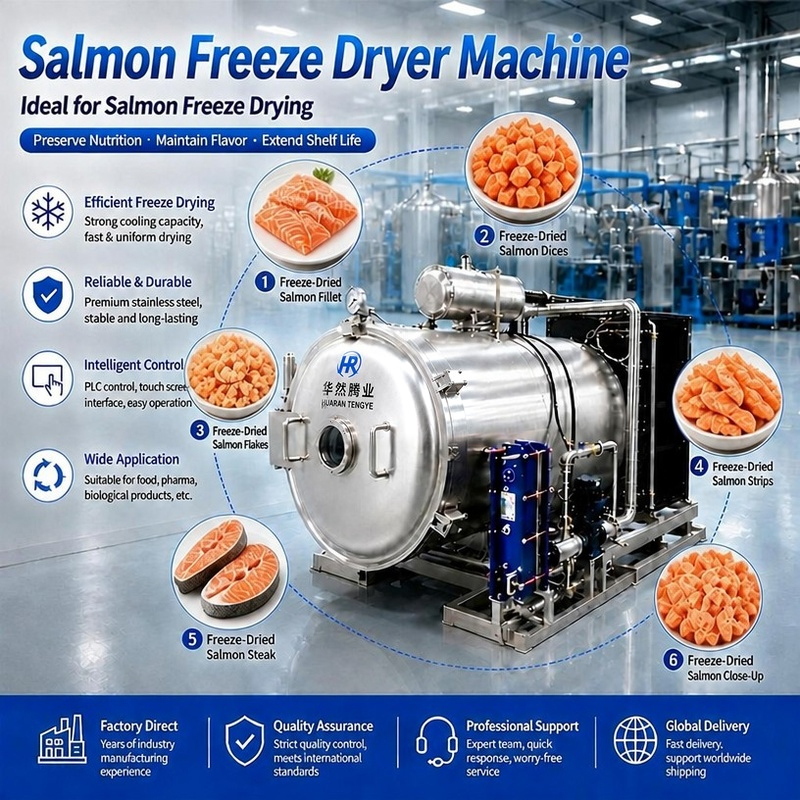
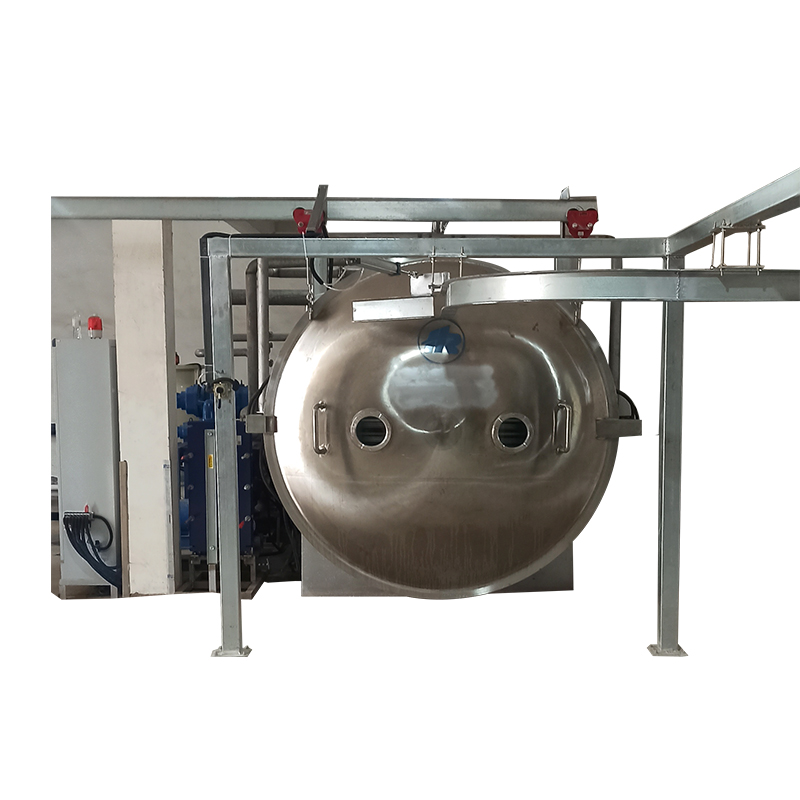
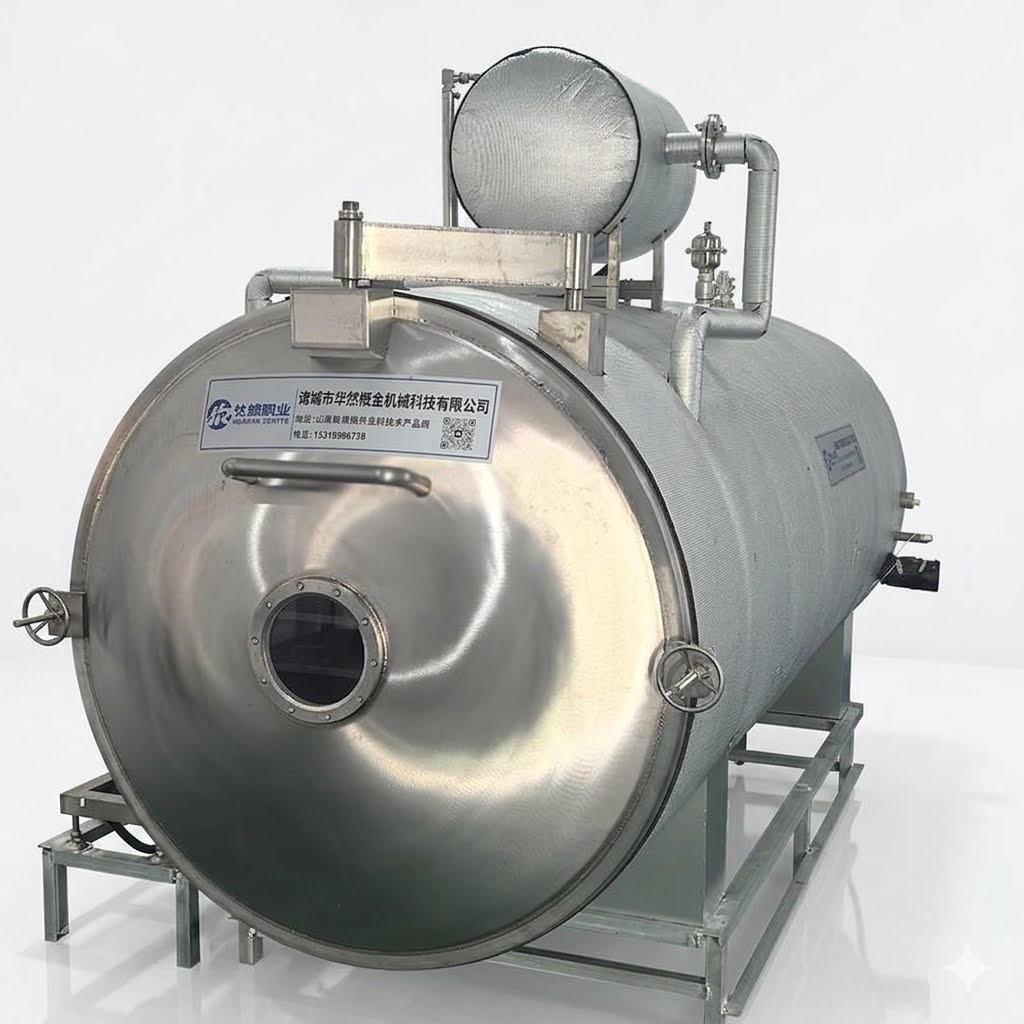
Product features
Why Salmon Processors Are Opting for Freeze-Drying
Salmon processors had to work around major issues related to profit, quality, and marketability of their products prior to getting hold of freeze-drying technology.
The freeze-drying machine is of very high capacity and efficient.
Heat-based dehydration and traditional freezing are methods that damage cells. Freeze-drying (also called lyophilization) eliminates moisture by sublimation, which is when ice converts directly into vapor without the liquid stage.
Freeze-dry technology is what you should look for if your business requires high-quality salmon fillets (as a raw material) for freeze-dried food, or you are manufacturing and selling both animal and human protein, and also preparing vitamin and mineral supplements.
We have developed a fast-freezing technology that produces small and consistently scattered ice crystals - so that the muscle fiber structure remains untouched.
Consequently, our freeze-dried salmon, after rehydration, hardly differs from the original texture of fresh salmon fillets.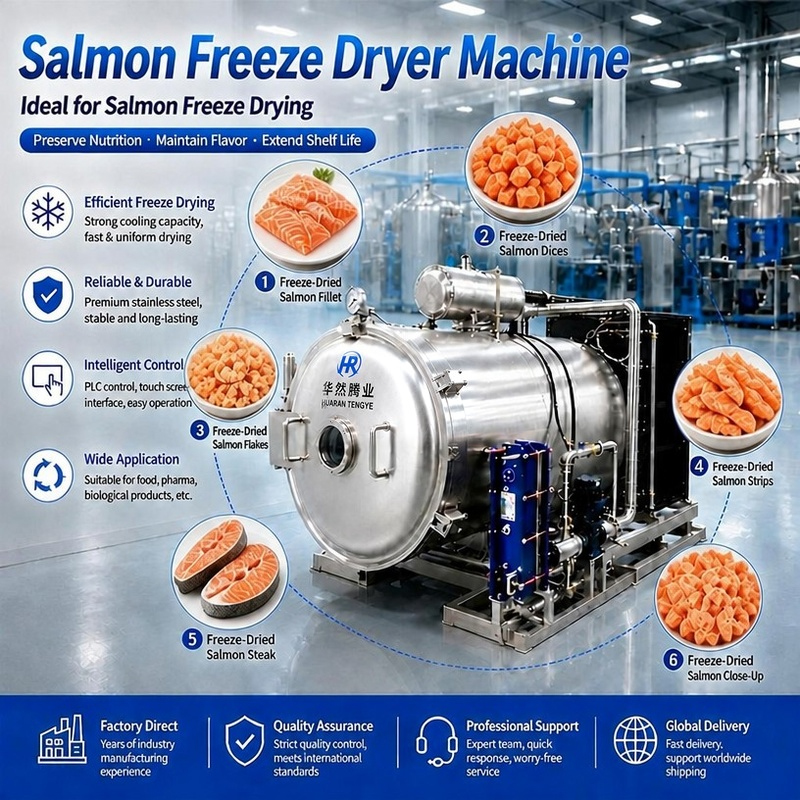
Why Freeze-Dry Salmon?
Our advantage
Preserving Nutritional Value
Maintaining Texture and Appearance
Our rapid freezing technology produces small, uniform ice crystals that preserve muscle fiber integrity. The result: freeze-dried salmon rehydrates beautifully, retaining its original flake structure.
Extended Shelf Life
Weight Reduction
Freeze-drying decreases the weight of the product by about 80-90% so not only does the freight become cheaper but it is less of a space problem.
Technical Specifications
Product Name | Vacuum Freeze Dryer |
Brand | HRTY |
Output (approx.) | 500KG |
Maximum ice capacity | 750kg |
Vacuum function | 19.8kw |
Refrigeration function | 76kw |
Heating function | 63kw |
Power | 220Kw,380V±10%,50HZ,3Phase,5Wire |
Control | Microprocessor |
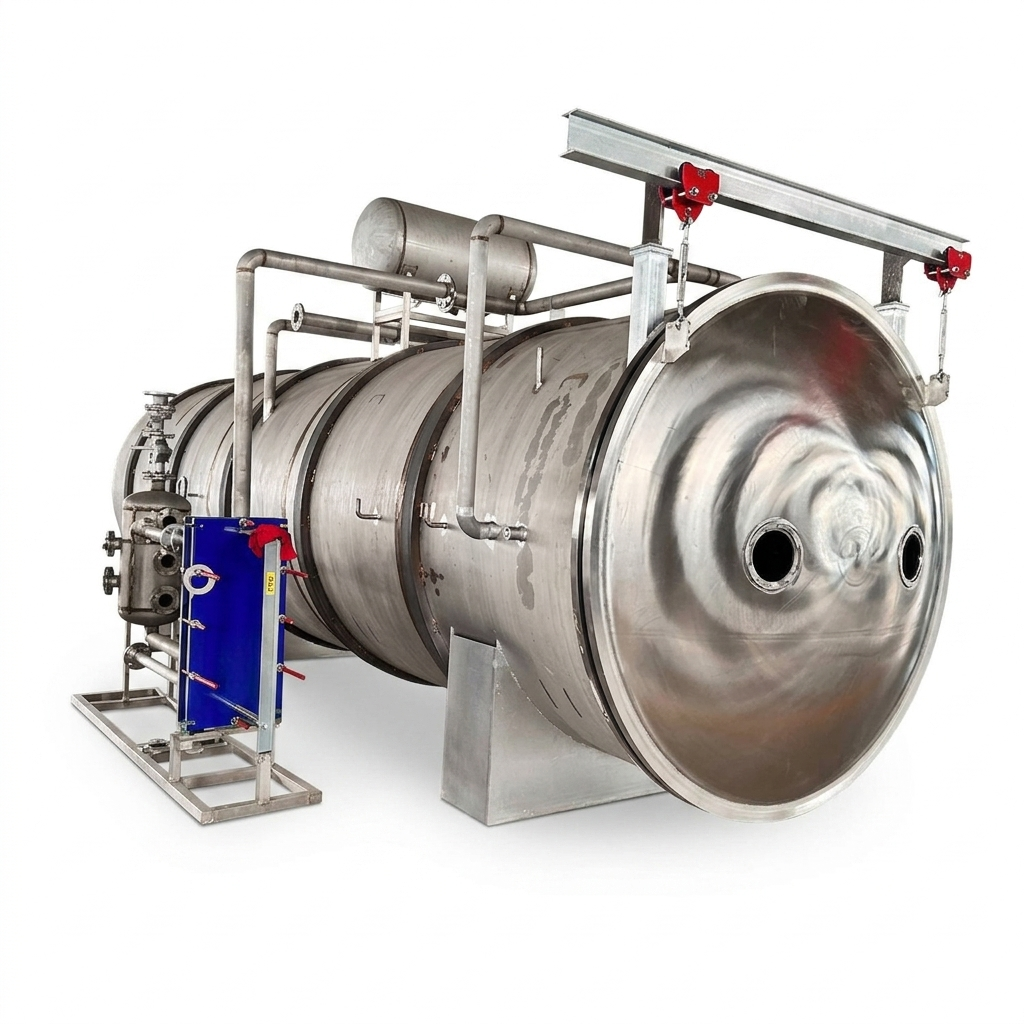
Dimension of unit (approx.) (L × W × H) (mm) | 7500×2665×3600 (Final dimension based on design) |
Weight (approx.) | 12,000kg |
| Customization Option | Range/Options |
| Capacity | Shelf area from 0.5m² to 200m² |
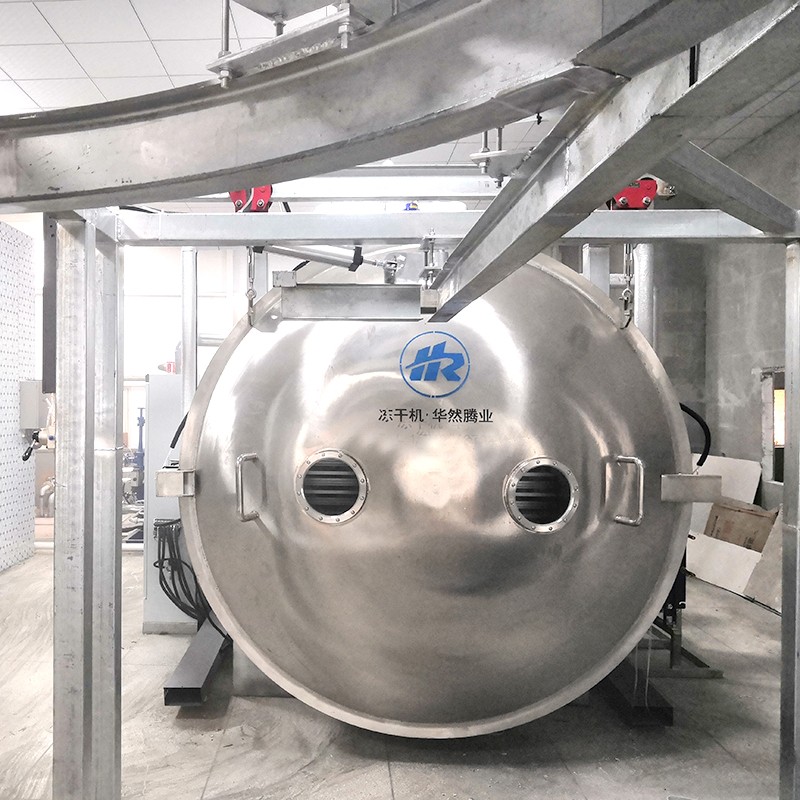
| Guide Rail System | Customizable track or trolley design |
| Heating Source | Electric or steam heating options |
| Voltage | Adaptable to 220V, 380V, 415V, and more |
| Material | Food-grade stainless steel (SUS304/SUS316L options) |
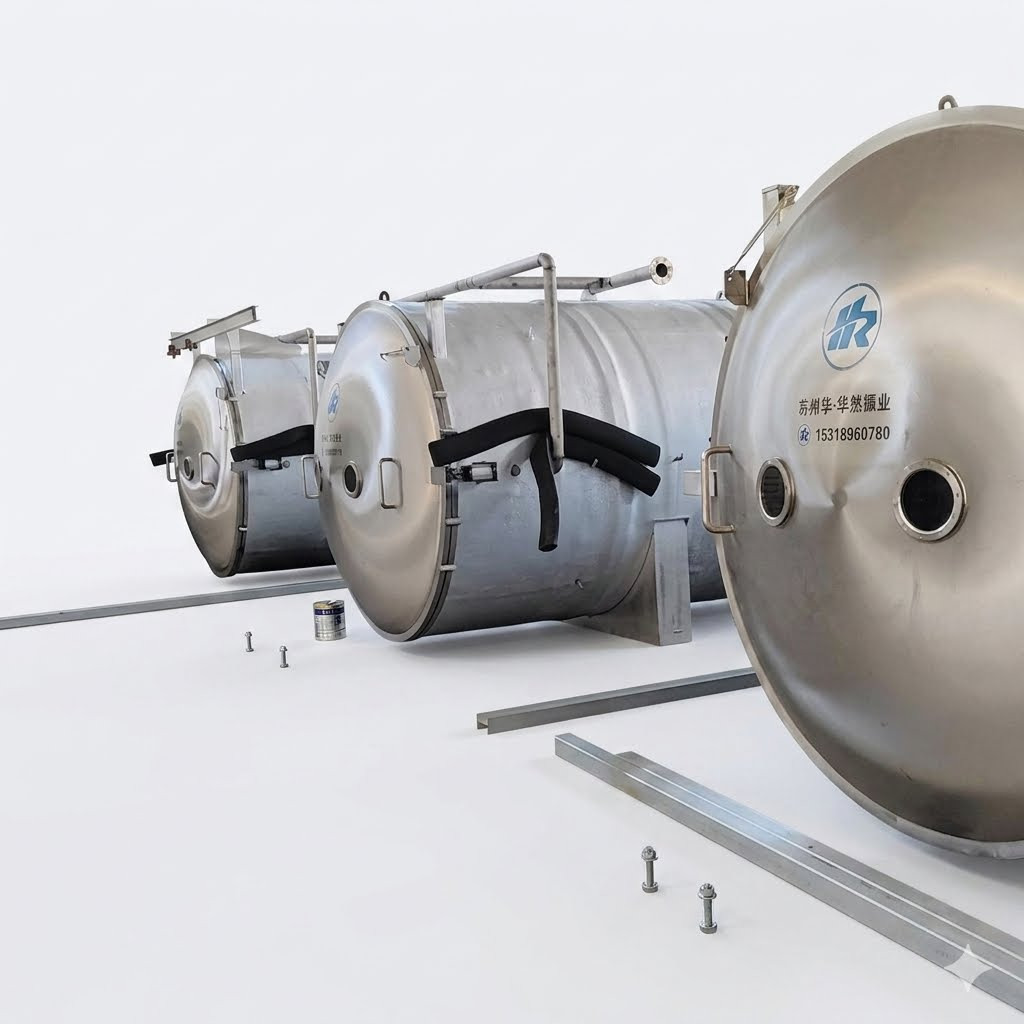
Salmon Freeze Dryer comes in different sizes to meet the needs of pilot-scale R&D, small-scale production, and big industries
Advanced technology of vacuum freeze-drying machine
1
Advanced Vacuum System
Achieves operating vacuum of 10-50 Pa within 15 minutes
Maintains stable vacuum pressure throughout the drying cycle for uniform results
Closed-loop vacuum system with leak detection safeguards.
2
Precise Temperature Control
PLC-based control system with touchscreen HMI
Real-time monitoring of shelf temperature, product temperature, and vacuum pressure
Adjustable heating profiles with radiation heating for even heat distribution
Heating plate temperature range: ambient to +120°C
3
High-Efficiency Cold Trap
Cold trap temperature: ≤ -65°C (captures water vapor efficiently at sublimation phase)
Dual cold trap design minimizes downtime for defrosting
Automatic alternating defrost system
4
Hygienic Design
Constructed from SUS304 stainless steel (food-grade)
Seamless interior surfaces for easy cleaning and sanitation
Meets international food safety standards (CE, ISO9001, ISO14001)
5
User-Friendly Operation
Fully automatic process from freezing to final drying
Recipe storage for standardized production
Batch history logging for quality control and traceability
6
Flexible Configuration
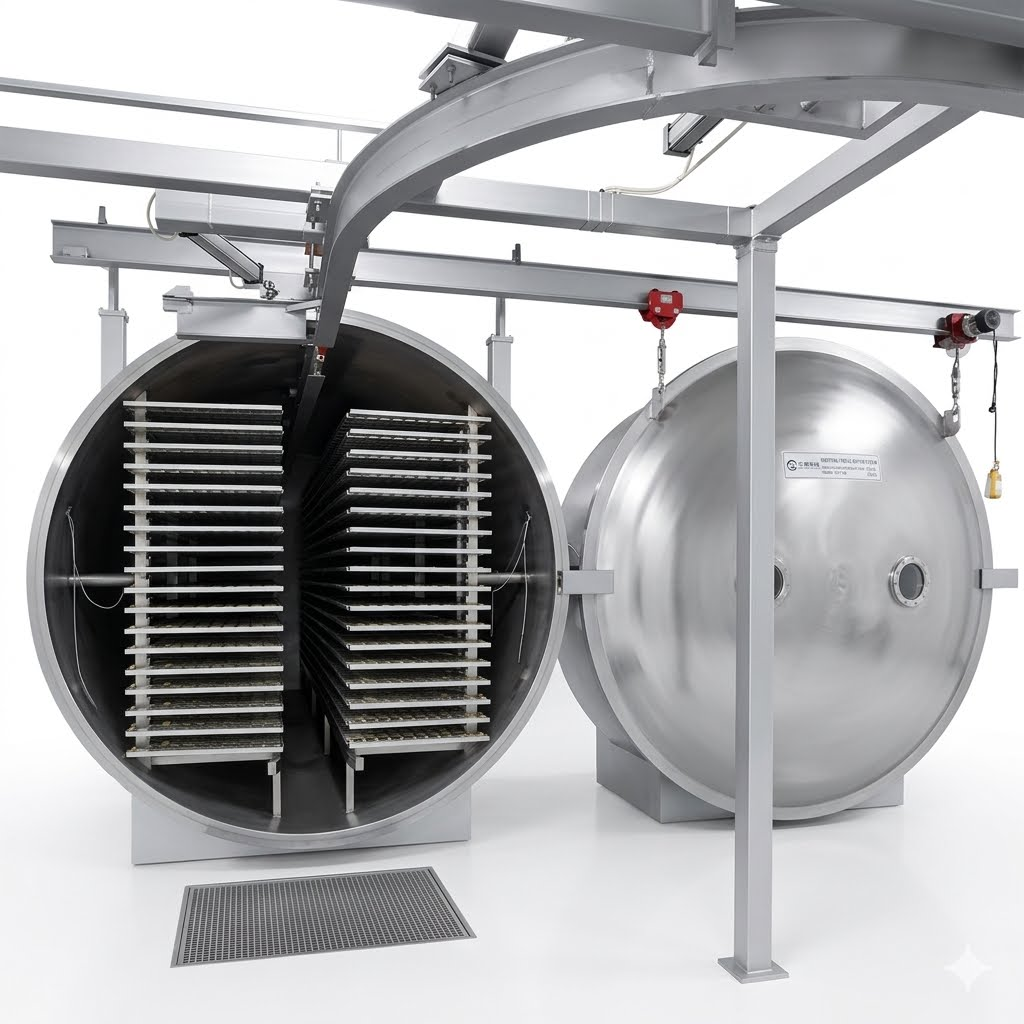
Customizable tray sizes and quantities
Steam or electric heating options Compatible with various seafood species, fruits, vegetables, and pet food formulations
AFQ
Q1: What is a salmon freeze dryer?
A1: The food is vacuum freeze-dried at low temperature and pressure with an ice sublimation process that changes the solid ice directly to gas without the liquid water as an intermediate stage
Q2: Why freeze-dry salmon instead of air-dry or bake it?
A2:Freeze-dried food maintains the majority of nutrients, omega-3 fatty acids, and the original color. This method results in a light and crunchy food that can last for over one year, two at most, without even refrigeration, whereas methods involving heat not only destroy flavor but also lead to a loss of protein content.
Q3: What are the main components of a salmon freeze dryer?
A3: The main elements are a vacuum chamber, refrigerated (or heating) shelves, a condenser (cold trap), a vacuum pump, a refrigeration system, and a control panel offering programmable cycles..
Q4: What is the typical freeze-drying cycle for salmon?
A4: Lyophilization is carried out in three steps. First, the product is frozen at -35°C to -40°C for 3 to 6 hours to form fine ice crystals. Then comes primary drying (sublimation), when heat is applied, gradually raising the shelf temperature from -35°C toward -10°C under vacuum (10–50 Pa). This process takes 14 to 24 hours. Finally, secondary drying (desorption) is carried out at 45–55°C to remove bound moisture. The complete process lasts 24 to 42 hours, depending on thickness and fat content.
Q5: What is the ideal moisture content for freeze-dried salmon?
A5: Below 3% (typically 1–2%) residual moisture. That is a good way to maintain the microbial balance of the product, keep its crunchy texture, and extend its shelf life, all while preventing fats oxidation.
Q6: Does freeze-drying damage omega-3s or proteins in salmon?
A6: No omega-3 fatty acids (EPA/DHA) and proteins remain mostly intact in this process because it takes place at low temperatures and in the absence of oxygen, with a >95% retention, much higher than hot-air drying or frying.
Q7: Can I freeze-dry raw salmon and eat it rehydrated or crunchy?
A7: It can be enjoyed right away as a crunchy treat, or you can let it soak in water, broth, or milk for 5-10 minutes so that it gets a soft texture almost like cooked salmon. Raw salmon has to be sashimi-grade and handled under hygienic conditions to ensure safety.
Q8: How do I clean and maintain a salmon freeze dryer after use?
A8: After processing each batch, you should clean the interior of the chamber along with the shelves by wiping them with a mild food-grade disinfectant. You also have to thaw and empty the condenser, verify the vacuum pump oil level, look at the valves, and check whether the vacuum valves are in good condition. In addition to that, to get rid off the leftover smells or greases from fatty fish in the vacuum chamber from vacuum chamber or even better, use a dry empty cycle. Use this method periodically. The vacuum chamber will be completely emptied and thus the vacuum chamber cleaned.
About Us
Year established: 2006 (19 years of experience)
Factory area: 18,000 m²
R&D team: 22 engineers
Production lines: 4 assembly lines
Annual capacity: 120+ units/year
Certifications: ISO 9001, ISO 14001, CE, ASME
Core component partners: Bitzer, Leybold/Edwards, Siemens, Emerson
Export markets: 40+ countries including USA, Germany, Japan, South Korea, Australia, Brazil
Units exported since 2010: 800+
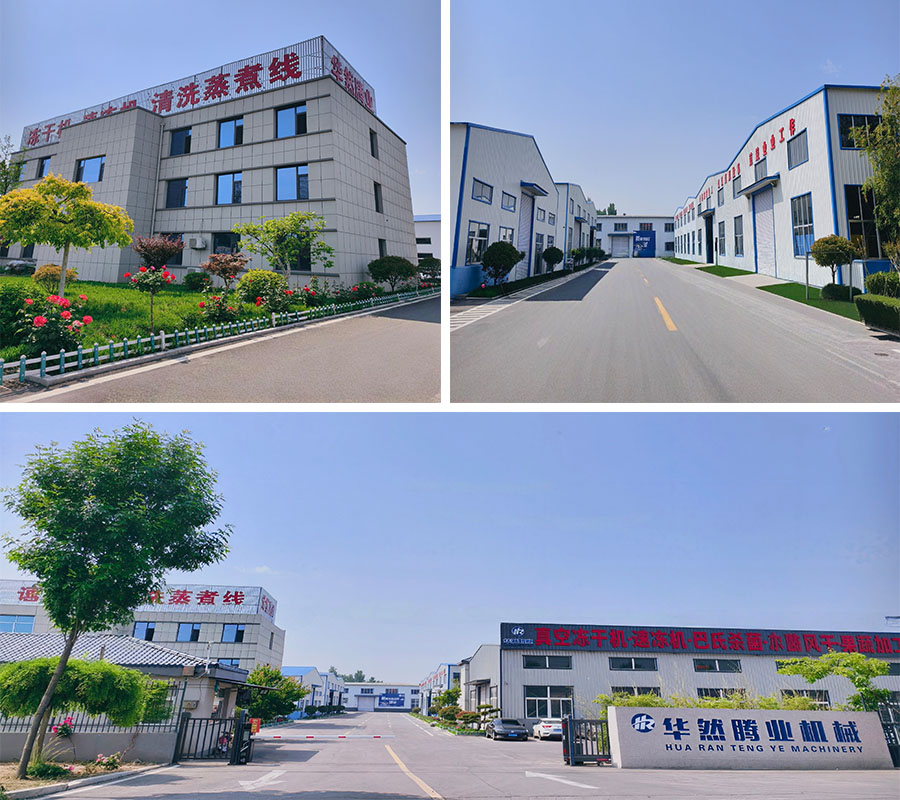
Are you looking to elevate the quality of your salmon production through high-performance freeze-drying? We, the experienced salmon freeze-drying experts, are here with the knowledge, tools, and resources to deliver a tailored solution that precisely meets your manufacturing targets. From small-scale R&D through pilot testing right up to full production runs of high volumes, we will work with you to tailor every detail. Get in touch with us now to receive a customized report along with detailed specs of our freeze-drying technology.