Product features
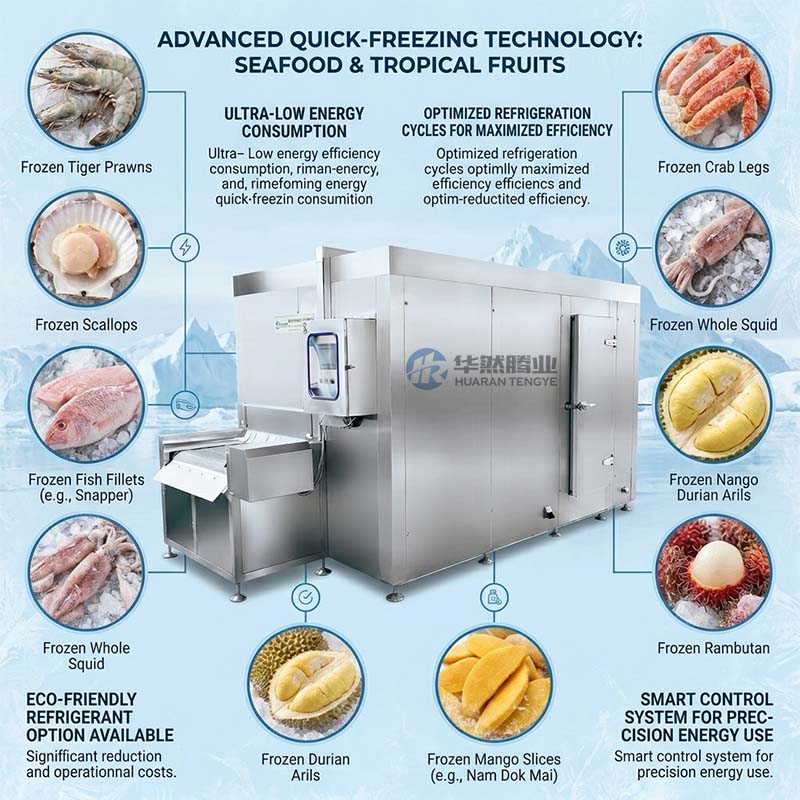
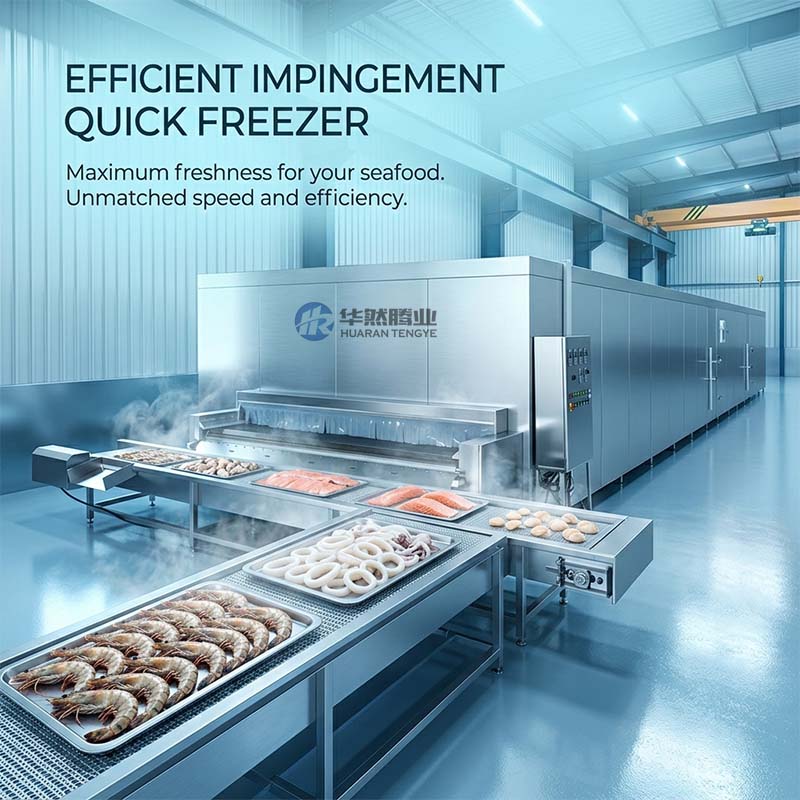
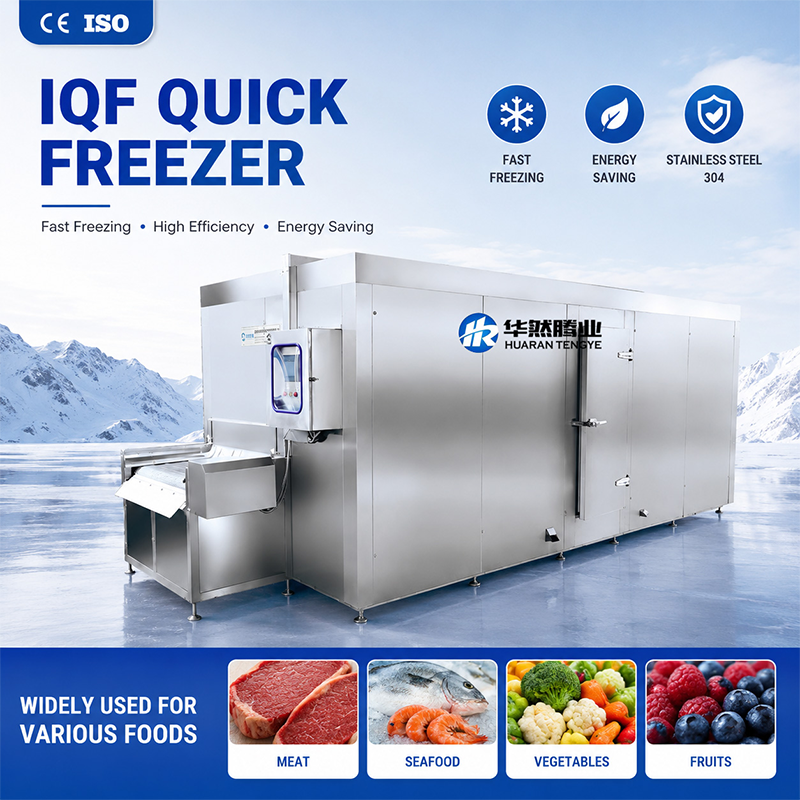
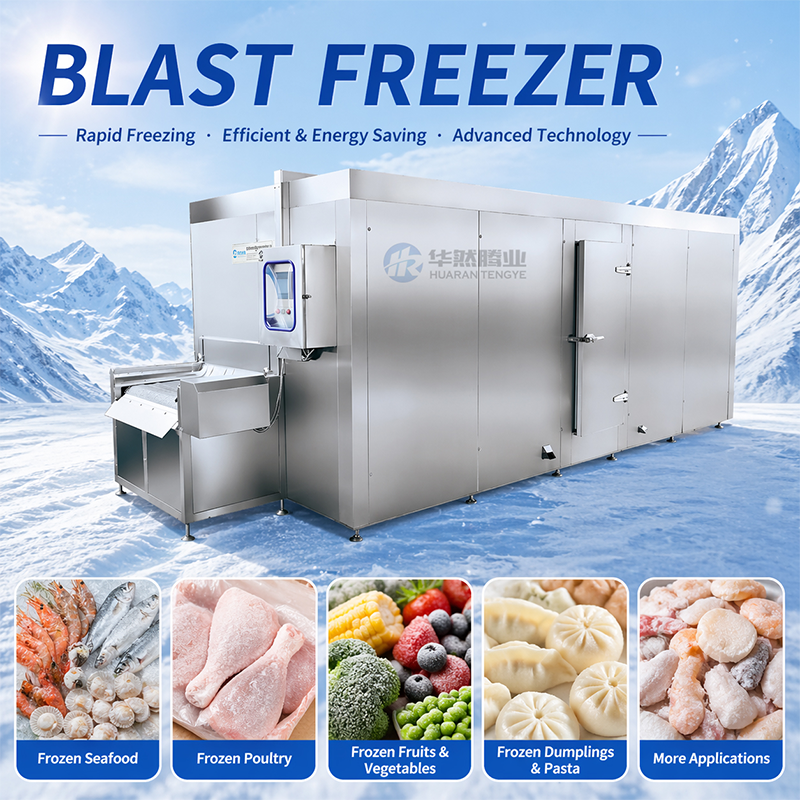
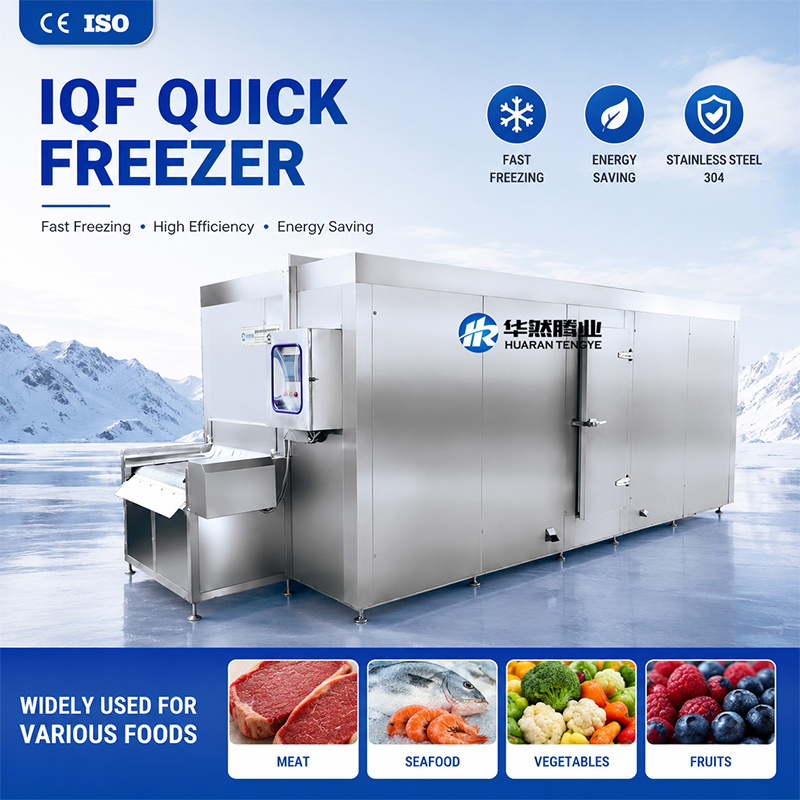
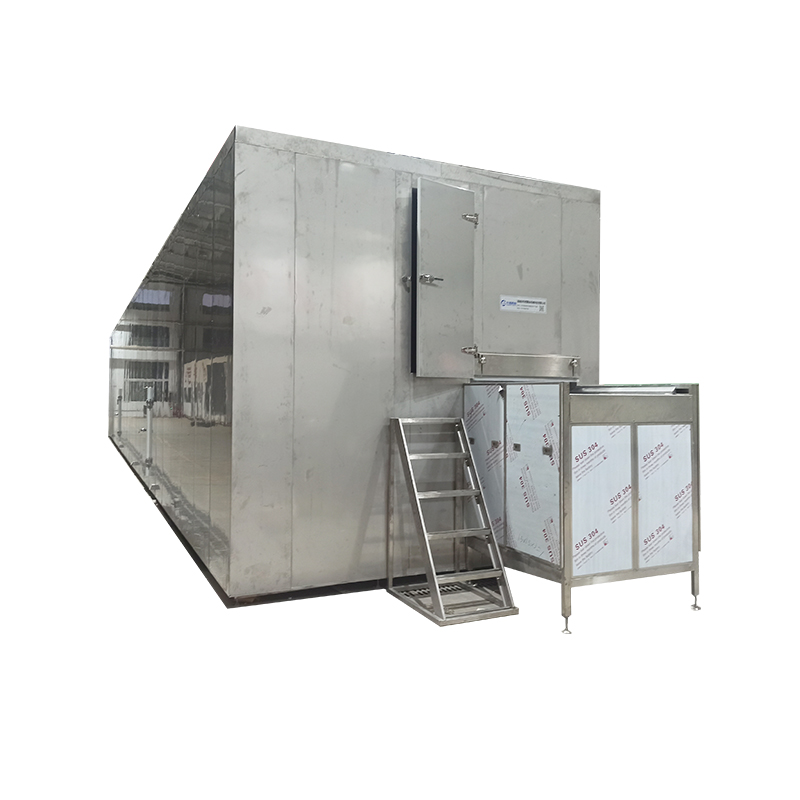
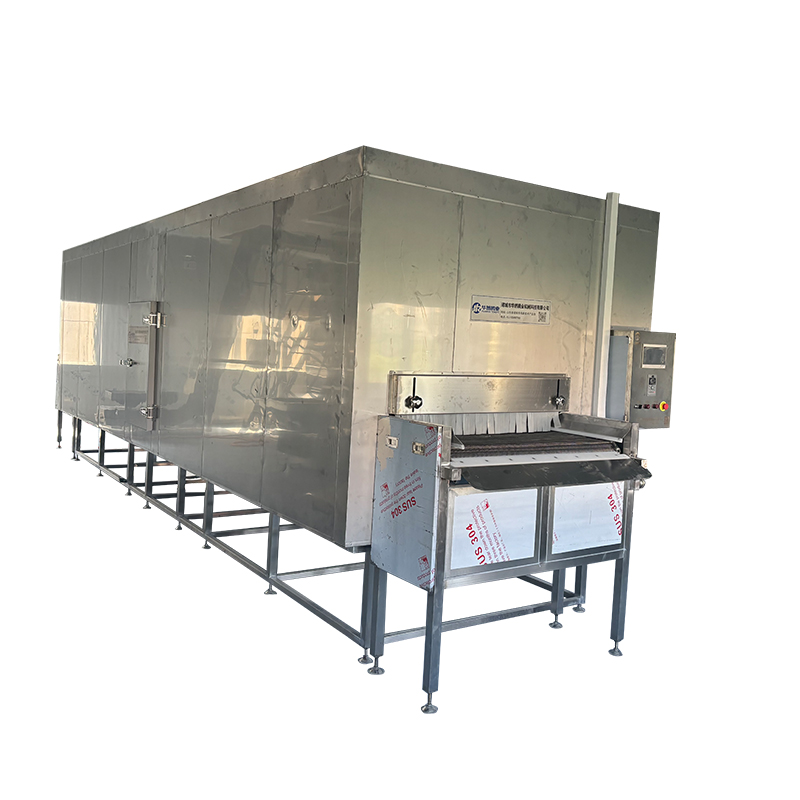
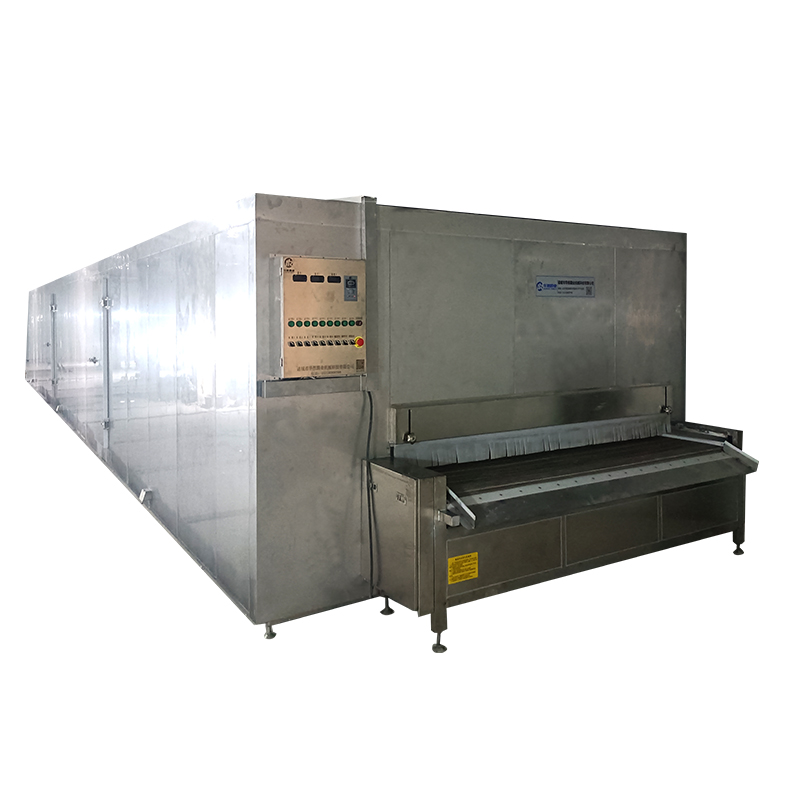
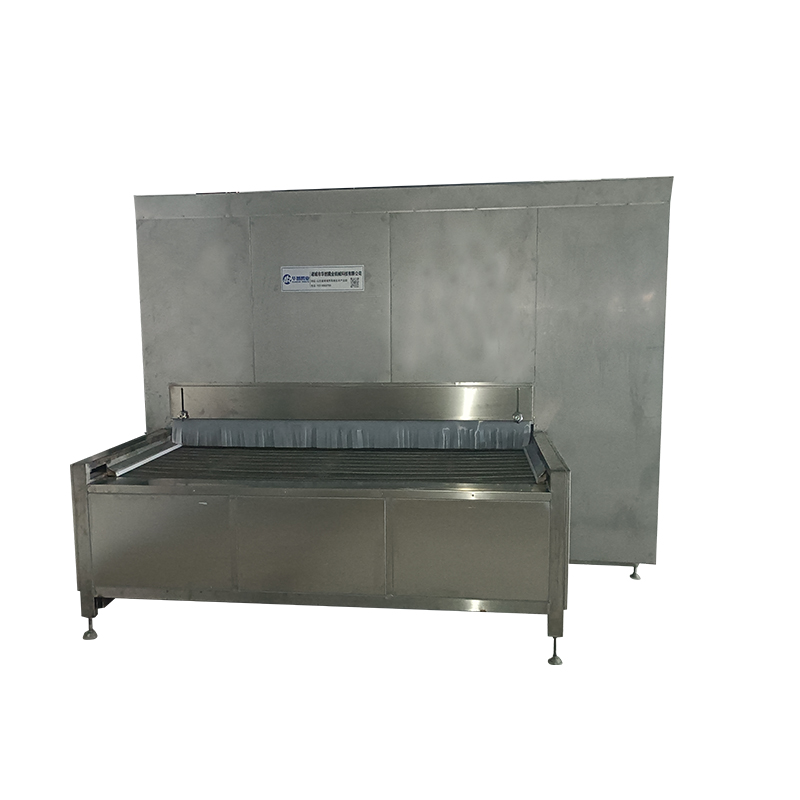
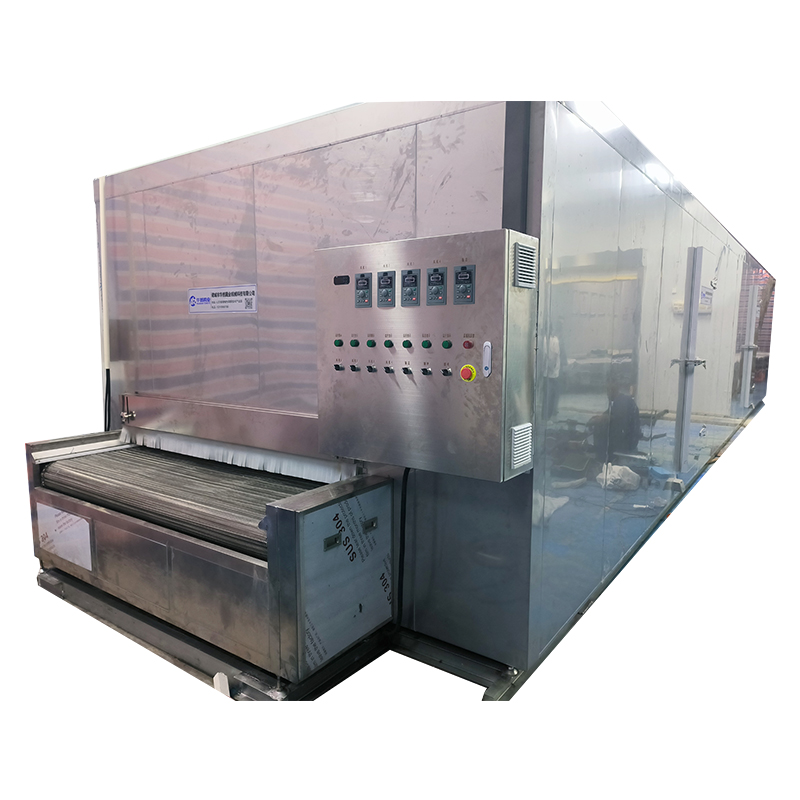
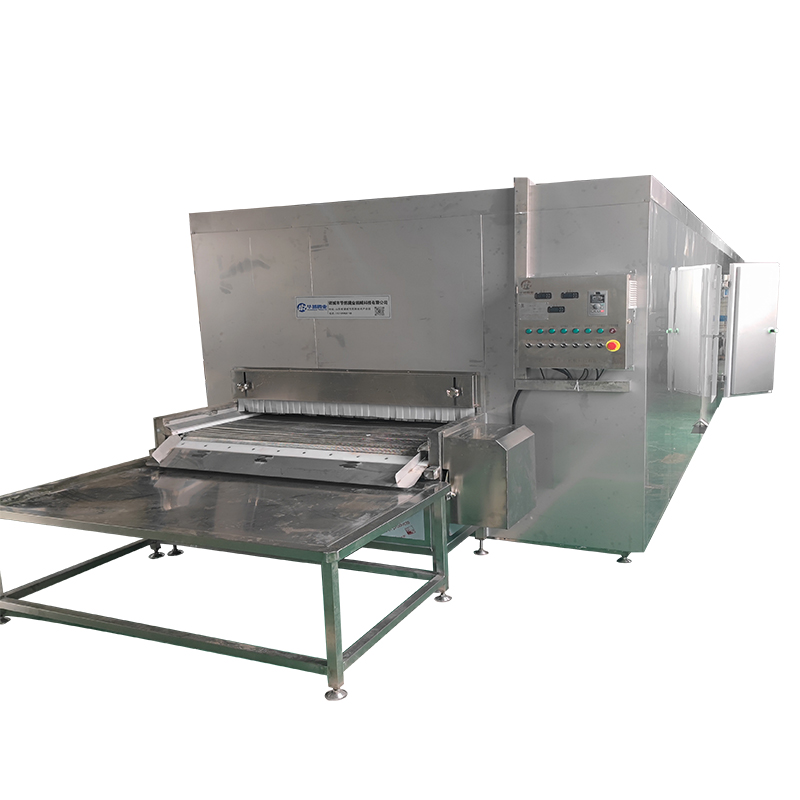
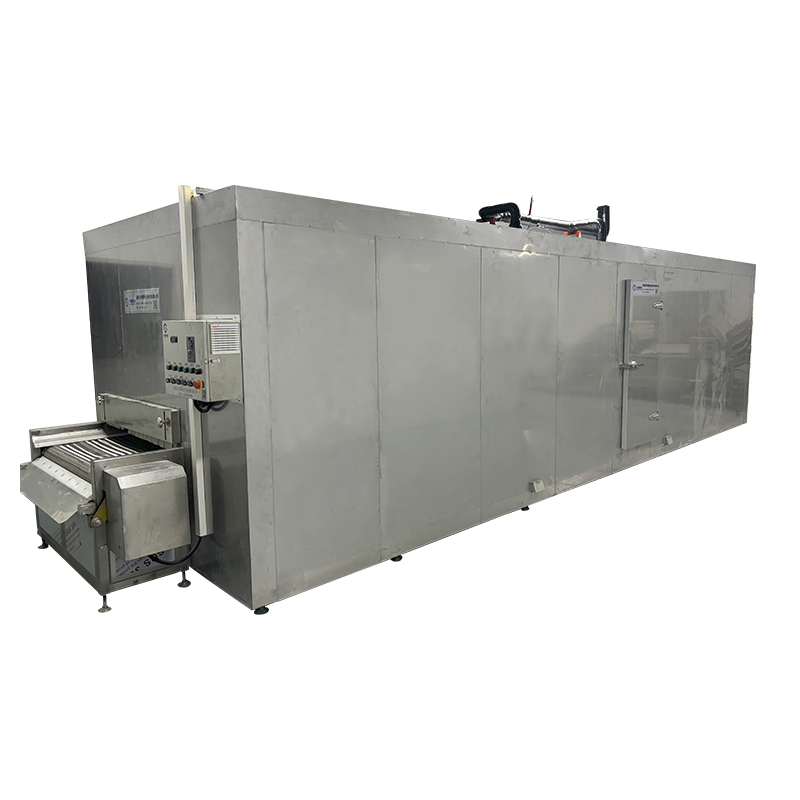
Our Tunnel Quick Freezing Machine eliminates traditional problems by introducing a freezing process which is continuous and fully automated. Featuring a high‑velocity impingement airflow and a multi‑stage evaporator system, it allows for ultra‑rapid, uniform heat extraction, resulting in a reduction of core temperature by 36°C (from +20°C to ‒18°C) in minutes, not hours. The intelligent PLC control keeps temperature fluctuations to a minimum so that ±0.5°C variation is achieved throughout the tunnel, thus preserving the product texture and ensuring weight retention and very little water loss. Automatic defrost operations are performed without interruption of production, while the modular stainless‑steel unit not only facilitates the cleaning and sanitation procedure but also enables full compliance with the strictest hygiene regulations. Thus, you can obtain up to 40% higher throughput, 25% less energy per ton, labor cost reduction, and top-quality freezing of your products, which perfectly retain their natural appearance and taste, be it seafood, meat, or ready meals, as well as fruits and vegetables.
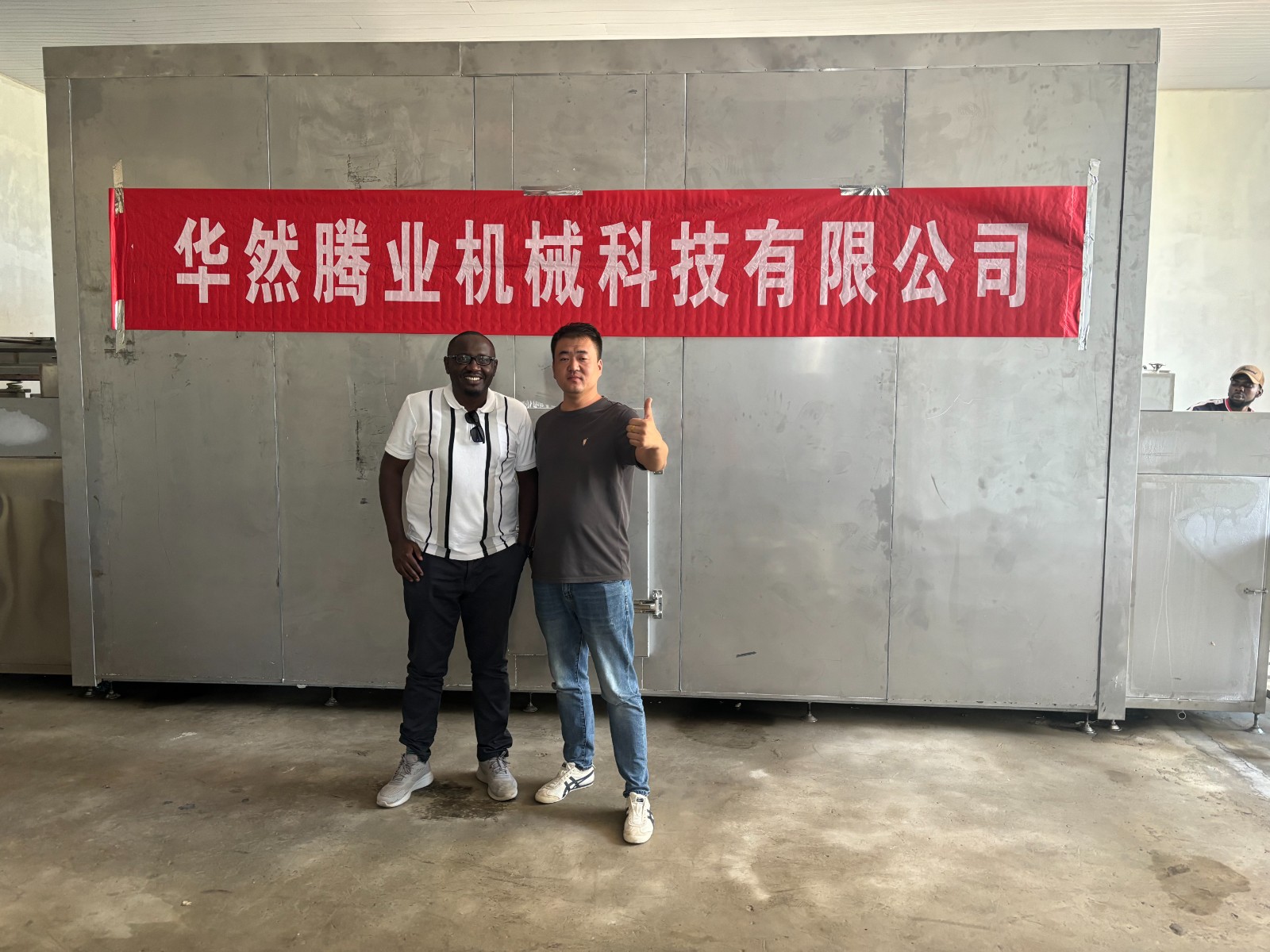
Working Principle of a Quick Tunnel Freezer
One type of food freezing systems are the tunnel freezer, which is a fast freezers that operate at a high speed to freeze a moving line of product. This system was invented and perfected to be capable of freezing food products at a high speed without any change to their texture, flavor, or nutritional content. They are generally used to freeze the foodstuff which is conveyed under the freezing coils or on top of the freezing coils in a continuous flow. A very high-speed forced air convection system is combined with air at an extremely low temperature of -30°C to -40°C to make the freezing process possible.
Step-by-Step Working Process
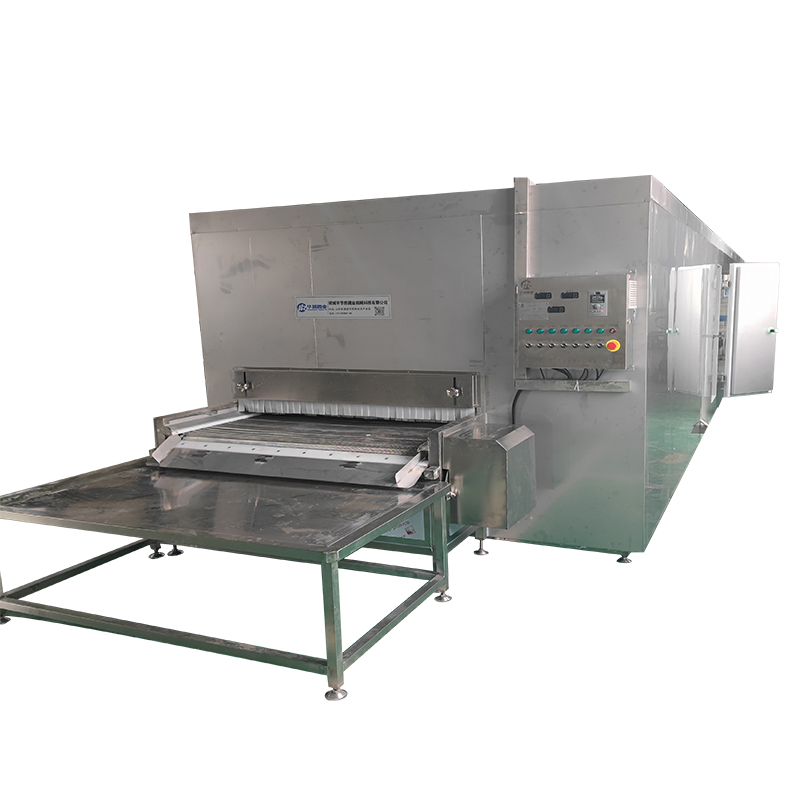
Product Loading
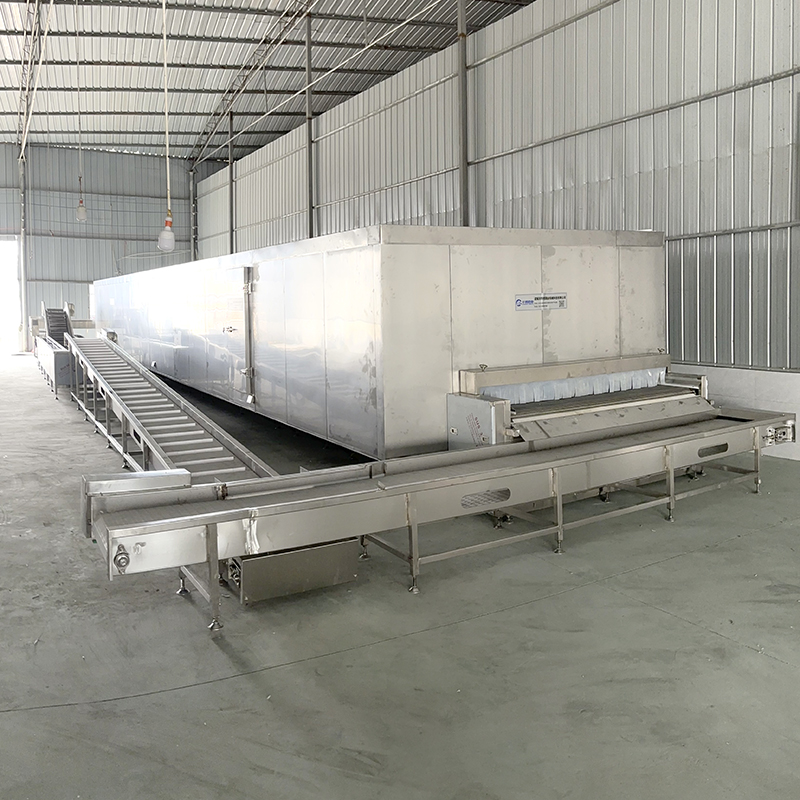
Products such as meat patties, fish fillets, fruits, vegetables, or baked goods are placed on the conveyor system consisting of a stainless-steel mesh belt. The belt is constantly moving through an insulated tunnel.
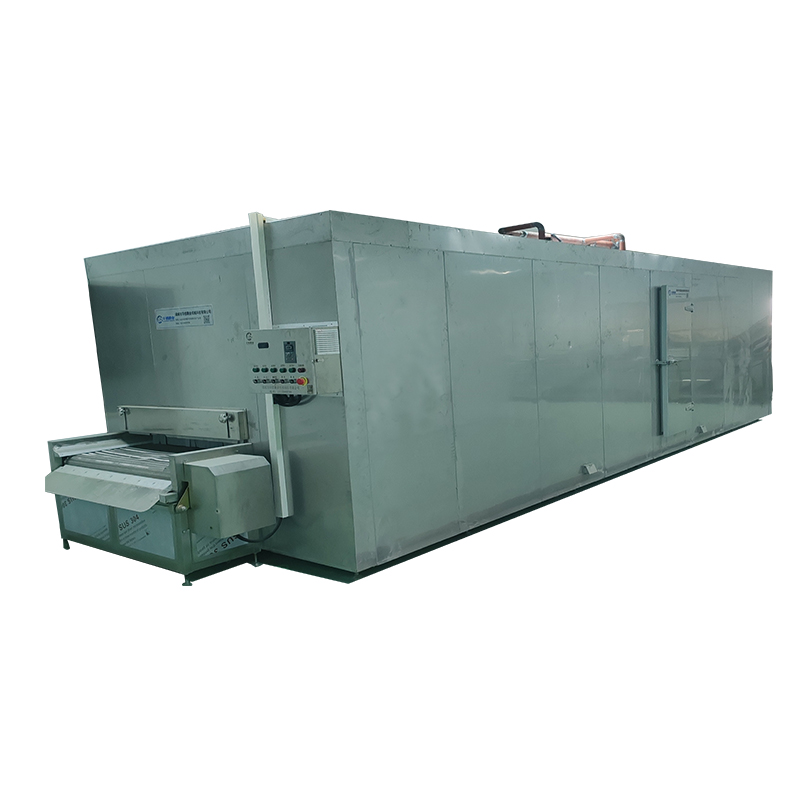
Airflow Generation
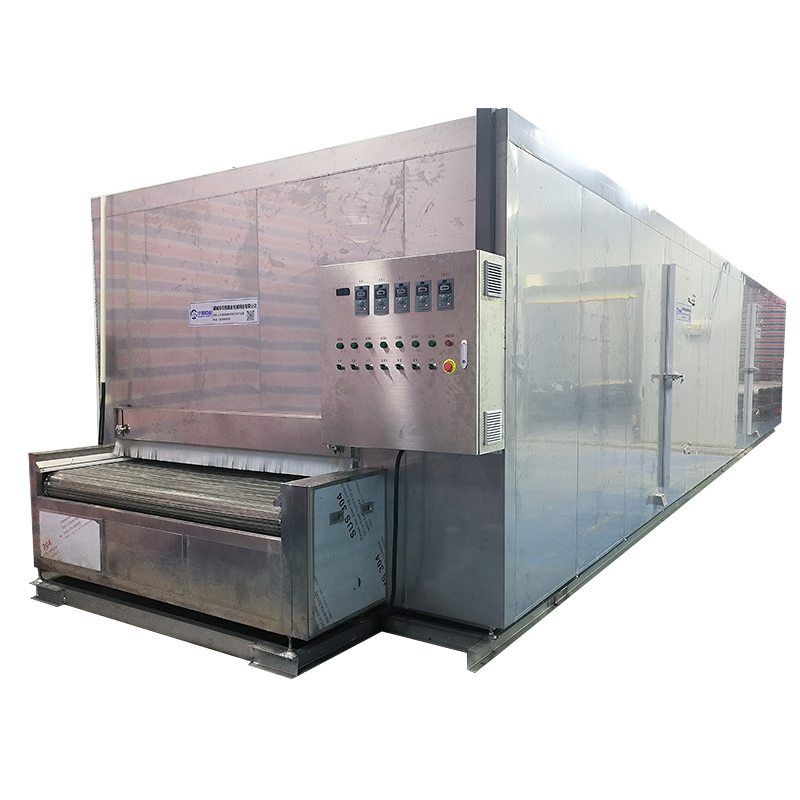
Heat Extraction
As the cold air sweeps on the commodity surface, it absorbs both latent and sensible heat, leading to the core temperature of the product falling drastically. Freezing generally takes place in two separate steps:
In sensible stage cooling one only is that first stage heat has been removed until the product is at the freezing point, and then
The phase change, which involves the removal of latent heat needed to transform water into ice crystals, is the other stage.
Refrigeration Cycle
After the warm air returns from the tunnel, it goes through an evaporator with a fridge gas like Freon that is much colder. The colder fluid gets warmed by the surrounding air and takes the energy from the air in return, so that the air is made cooler.
This warmer liquid refrigerant goes to the condensing unit with the help of the compressor, where it releases heat to the environment.
Air Recirculation
The air that has been re-cooled enters back into the tunnel through the fan, a process that keeps the temperature and thermal efficiency high. Systems that want even quicker freezing can have an extra layer of air flow, such as impingement, or another type of cooling that goes faster than normal.
Product Discharge
Freezing time: Typically 5–30 minutes, depending on product type, size, and inlet temperature. For standard products (e.g., 50g fish fillets, meat patties), the core temperature reaches -18°C within 10–15 minutes. Heavier or thicker products may require up to 30 minutes. Contact us for a time estimate for your specific product.
Key Design Features That Enable "Quick" Freezing
High air speed (up to 5–10 m/s) will help enhance the heat transfer rate coefficient.
Cold air should be employed to have a sufficiently large temperature differential.
Uninterrupted running with control of belt speed by an automation system to match production line capability.
Uniform air supply will protect against freezing irregularities or product drying problems.
Critical factors in Performance Evaluation
ritical factors in Performance Evaluation:
Freezing time:It only takes 5-30 minutes to achieve the core temperature of -18°C.
Most important temperature range:Fast transition through the ice formation zone that goes from 0°C to -5°, which yields microcrystals and saves the original structure of the cells.
Heat transfer coefficient:30 - 60 W/m²K, which is much better than most of the industry, and results in higher thermal efficiency!
Unlike mechanical freeze units, this process results in non-stick, freely flowing separate items. Thus, the technology perfectly suits the processing of fragile, small, or moist foods.
Advantages of This Principle
Sudden freezing results in the formation of microscopic ice crystals - a freezing mechanism that is so fast that there is no time for the crystals to grow. As a consequence, the physical structure of the cells and the texture of the tissue remain nearly unaltered after freezing. This is a very important feature.
Freezing time is significantly reduced, which prevents loss of weight from drying out
Possibility of high production rates that make continuous freezing economically viable.
Energy saving by means of an air recirculation system
Energy efficiency is achieved by the control and monitoring of the refrigeration units, as well as the utilization of heat recovery and heat reuse systems.
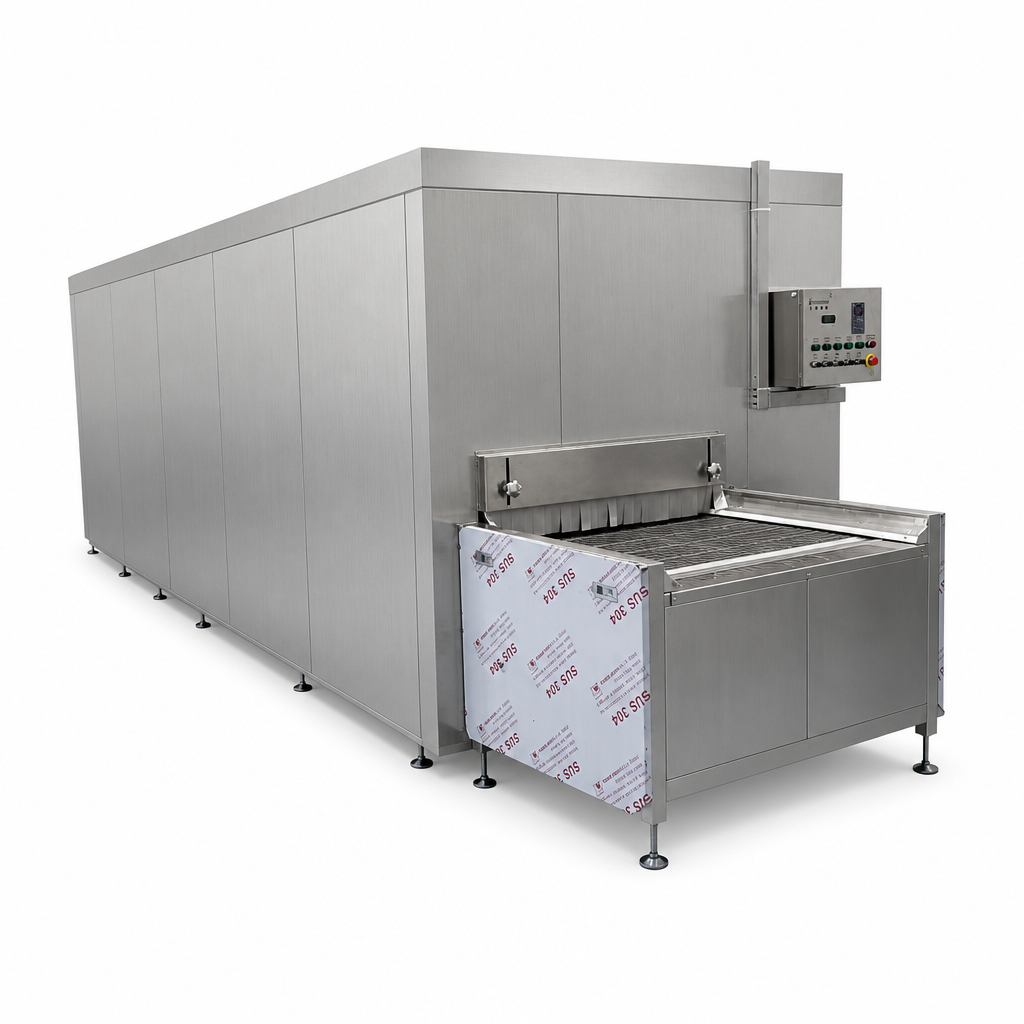
The main advantages of Tunnel Freezers are the points listed below:
If you compare the Tunnel Quick Freezing Machine to the cold storage (batch freezing) that is still used, you find that this type of machine makes a big difference to efficiency, quality, cost, and operational control. The main advantages of Tunnel Freezers are the points listed below:
1. Much quicker freezing pace - Minutes instead of Hours
In traditional cold storage, it takes a whole day to freezing a batch of products. But with the Tunnel Freezing Machine, the same freezing result can be obtained in only 5 to 30 minutes. It is this ultra-fast freezing that allows the cells to remain undamaged, and the product does not experience loss of moisture upon thawing.
2. Continuous, Non-Break Production - No Downtime in Batches
Cold storage freezes and stores only a number of products, and they have to undergo loading and unloading manually before freezing and after freezing. Meanwhile, a tunnel freezer allows non-stop, 24/7 functioning in the same production line. The freezing process is achieved without manually handling the product, which is moved with a conveyor belt through the machine. Loading/unloading operations are eliminated, and production is maximized by this method.
3. Exceptional and Uniform Quality of Products
Cold storage often leads to inconsistent freezing — some products may reach -18°C while others are still at only -5°C to -8°C, resulting in uneven quality and texture degradation. The cold storage equipment is equipped with powerful ventilation and a jet system which enables even freezing of all the products at the same time. As such, the freezing process will be able to capture and preserve the flavor, the water content, and the food nutrients while the cells are still frozen together and without formation of large crystallisations, which results in the product keeping its shape and texture unchanged even after being thawed.
4. Energy conservation per unit of product
Our tunnel freezer typically consumes 0.10–0.25 kWh per kg of product, depending on the product type and inlet temperature. At an average industrial electricity rate, this translates to approximately ¥0.06–0.20 per kg — significantly lower than batch freezing systems. We provide a customized energy cost simulation based on your specific product and production volume upon request.5. Fully automated - Less Labor and Human Error
Cold storage means that the products have first to be put in the box manually and then taken out manually from the cold storage after being frozen for several hours. The loading and unloading work is quite dangerous and exposes the workers to a very cold environment as well. On the other hand, a tunnel freezer is entirely automatic production equipment—one product after another runs on the conveyor belt going through the freezers without almost any human supervision and interaction. Labor costs are slashed not only, but also, the chances of contamination with microbes, or physical damage of the goods caused by rough handling are significantly cut down.
6. Small size—Large capacity in the same footprint
Some of the latest tunnel freezers have narrow floor space requirements to maximize the area for use by the production process. They can even increase the capacity without adding to the footprint by up to 60%. Some types of these cold rooms can achieve that by stacking up the conveyor belts, which makes them especially attractive for companies that lack space.
7. Continuous Running Time - Minimal Frequent Defrosting Pauses
To run at full capacity, all cold storage rooms need regular defrosting, hence stopping the production. Tunnel freezers, on the other hand, are capable of going at least 10 full days running continuously before a major defrost is required. Some of the product lines, especially those with a lot of moisture, can run even up to two-thirds without a break. This makes their production schedules more reliable than those of their counterpart machines and ensures on-time delivery of products.
8. High levels of Food Hygiene and Safety
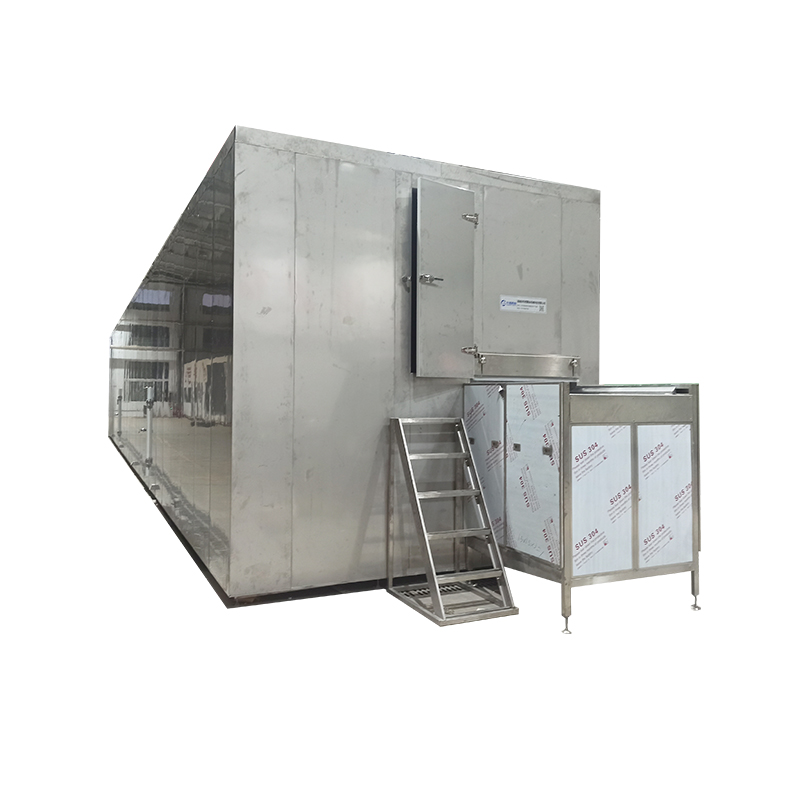
One of the common issues with cold storage is that the poor air distribution inside the storage area, which can create niche areas, and the temperature can become uneven in some parts. Our tunnel freezers are constructed with food-grade stainless steel (SUS304) , which is corrosion-resistant, easy to clean, and fully compliant with international food safety standards (FDA, GMP). The quick cooling that takes place also quickly brings the foods to temperatures at which microbial growth is impossible, and this helps control any bacteria.
9. Flexible and Easily Scalable
Compared to traditional batch freezing, tunnel freezers have the additional advantage of being able to work seamlessly with both cold and heat treatment units upstream and the packing line and others downstream, thereby achieving high integration and creating a total production system. They are also very versatile and can freeze a wide range of foods such as fish, seafood, meat, fruits, vegetables, and pre-made ready-to-eat meals.
10. Low long-term costs in the future running the machinery
Even though the capital expenditure to get a tunnel freezer may seem to be greater than the capital outlay required to construct the cold storing facility, the savings in terms of energy, reduction in labor hours, and the lower dehydration loss due to faster freezing (that is to prevent losses by the so-called "dehydration loss"), the higher the rate of output, and reduced maintenance, together contribute to an overall very significant saving in the total running costs of the system throughout its life cycle.
In summary, tunnel freezers are the most efficient equipment that can replace traditional batch freezing machines since they eliminate freezing as a separate operation that requires downtime and a lot of man hours. With such a machine, you can be guaranteed a consistent quality of product, a very low cost per unit, and flexibility in production that is absolutely necessary for food processing industries these days
Technical specifications
| Model | Size(mm) | Conveyor belt width(mm) | Length of the feed inlet(mm) | Outlet length(mm) | Cooling load(KW) | Freezing capacity(KG/H) | Refrigerant model |
| SSD-100 | 6600*2300*2200 | 1200 | 900 | 600 | 22 | 100 | R507 |
| SSD-200 | 9300*2300*2200 | 1300 | 900 | 600 | 40 | 200 | R507 |
| SSD-300 | 11500*2500*2200 | 1400 | 900 | 600 | 58 | 300 | R507 |
| SSD-400 | 13800*2500*2300 | 1400 | 1000 | 800 | 75 | 400 | R507 |
| SSD-500 | 15800*2600*2300 | 1500 | 1000 | 800 | 90 | 500 | R507 |
| SSD-750 | 17800*3100*2400 | 2000 | 1000 | 800 | 135 | 750 | R507 |
| SSD-1000 | 19200*3700*2400 | 2600 | 1200 | 1000 | 170 | 1000 | R507 |
| SSD-1500 | 22500*4100*2500 | 3000 | 1500 | 1000 | 220 | 1500 | R507 |
| SSD-2000 | 24500*4900*2500 | 3800 | 1500 | 1000 | 320 | 2000 | R507 |
Feed inlet and outlet length refer to the extension sections beyond the insulated tunnel. The actual freezing tunnel length is the total machine length minus inlet and outlet sections
Application scope
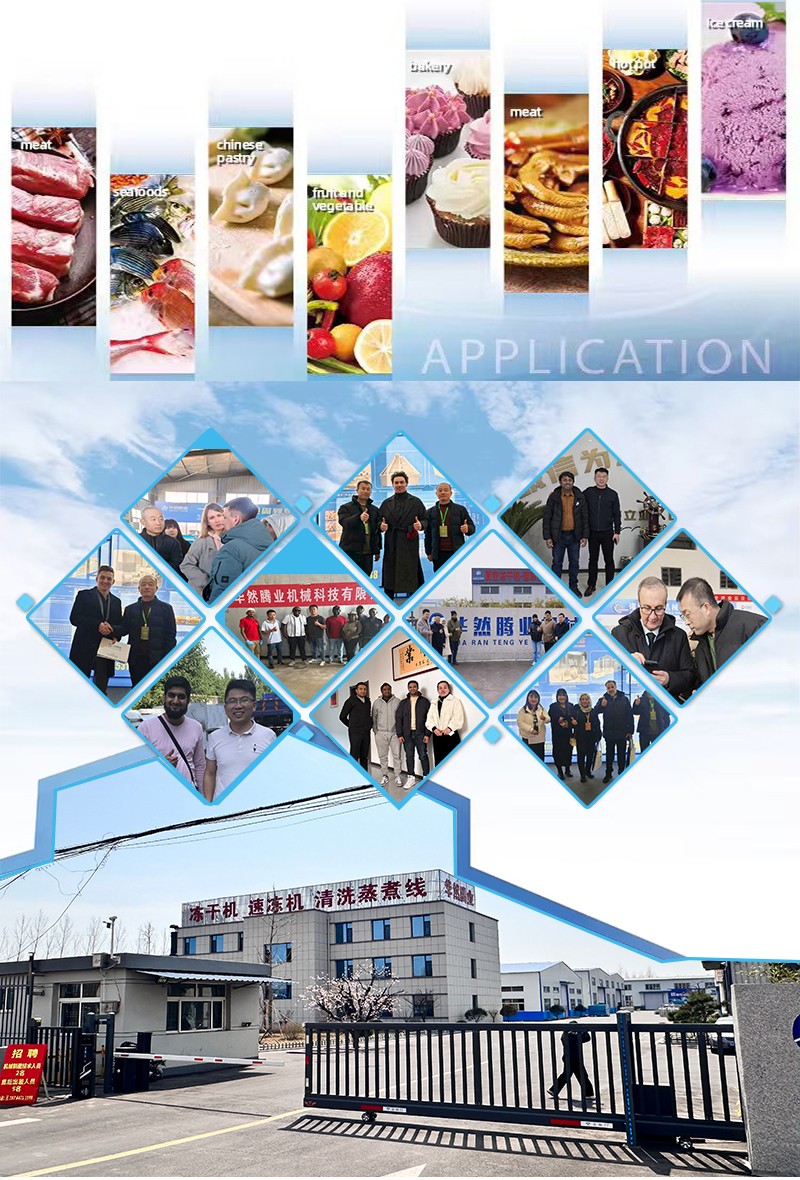
1
Meat & Poultry Processing
2
Seafood & Aquatic Products
3
Fruits & Vegetables
4
Poultry & Game
About Us
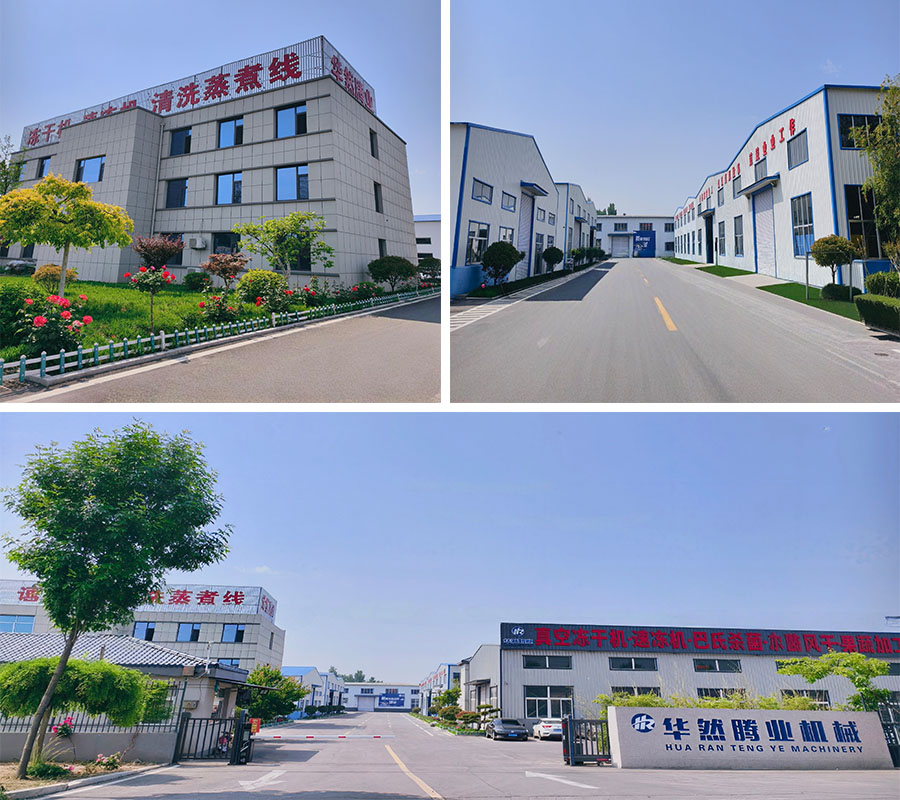
Year established: 2006 (19 years of experience)
Factory area: 18,000 m²
R&D team: 22 engineers
Production lines: 4 assembly lines
Annual capacity: 120+ units/year
Certifications: ISO 9001, ISO 14001, CE, ASME
Core component partners: Bitzer, Leybold/Edwards, Siemens, Emerson
Export markets: 40+ countries including USA, Germany, Japan, South Korea, Australia, Brazil
Units exported since 2010: 800+
FAQ
1. What's the delivery time?
45 working days for SSD100 to SSD-500; 60–75 working days for SSD750 and above. Shipping time not included.
2. Do you provide installation support?
Yes. On-site commissioning, test runs with your materials, and operator training included. Travel expenses billed separately. Remote video support also available.
3. What's the warranty?
12 months from commissioning. Critical spare parts dispatched within 48 hours. Extended warranty and maintenance contracts available.
4. Can you customize the equipment?
Yes. Modifications include customized tunnel length and width, belt configurations, airflow patterns (vertical/horizontal/impingement), refrigeration capacity, and integration with upstream/downstream lines. Please share your detailed requirements for feasibility assessment.
5. What are the standard production capacities? Can they be customized?
A: Our SSD Series offers standard capacities from 100 kg/h to 2,000 kg/h. Yes, we can customize the tunnel length, belt width, and refrigeration capacity to match your specific output requirements and factory floor space.